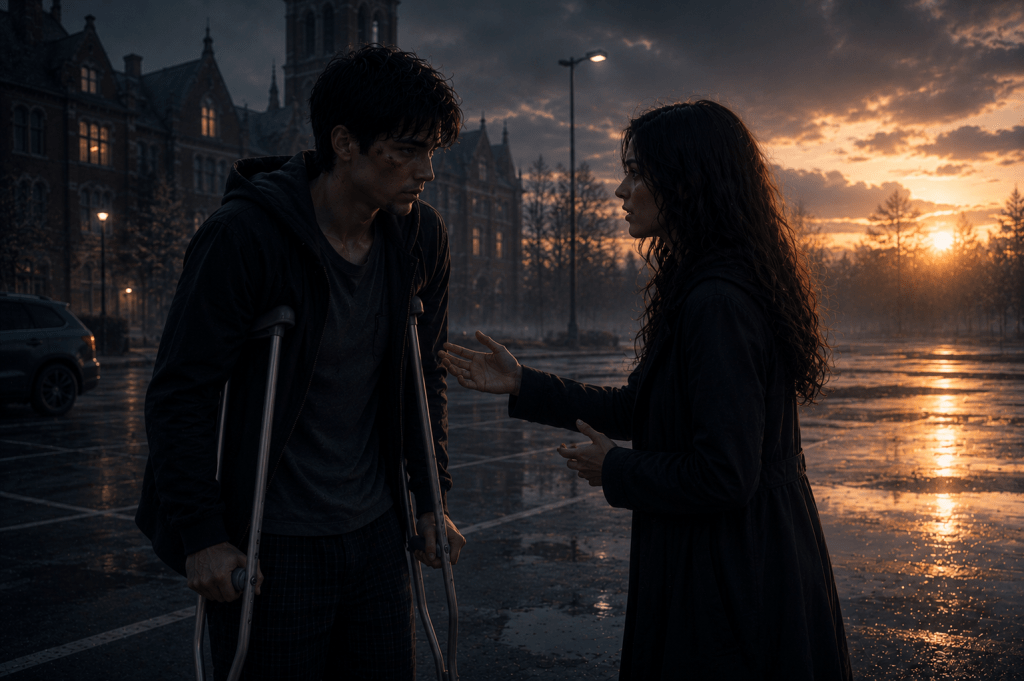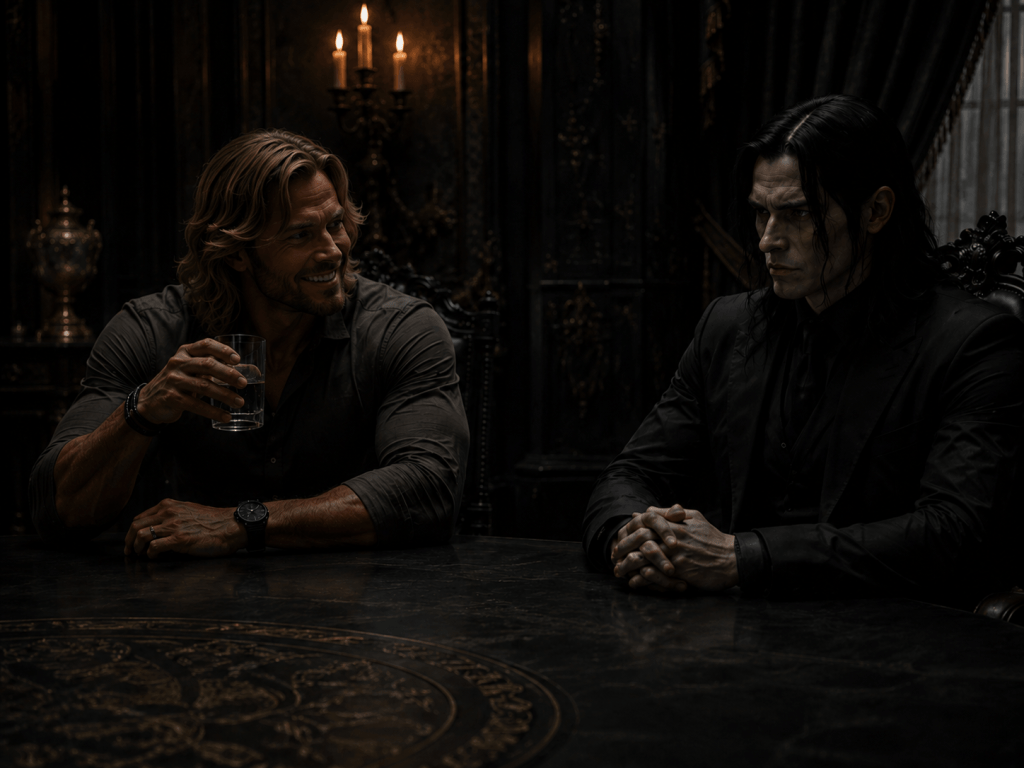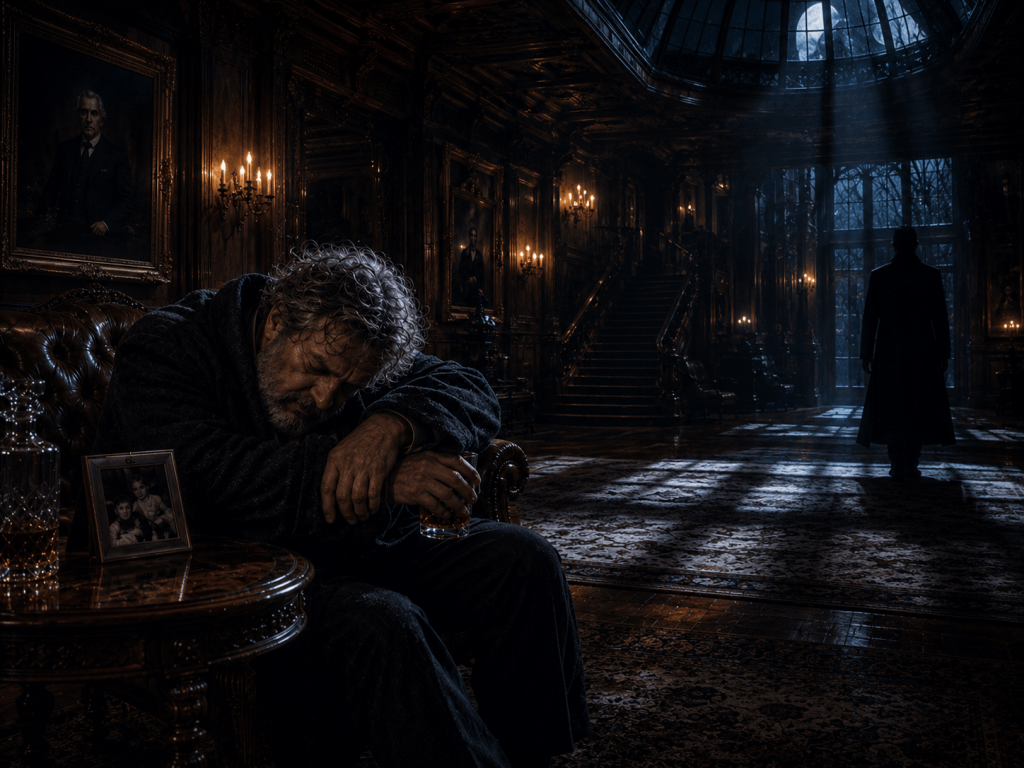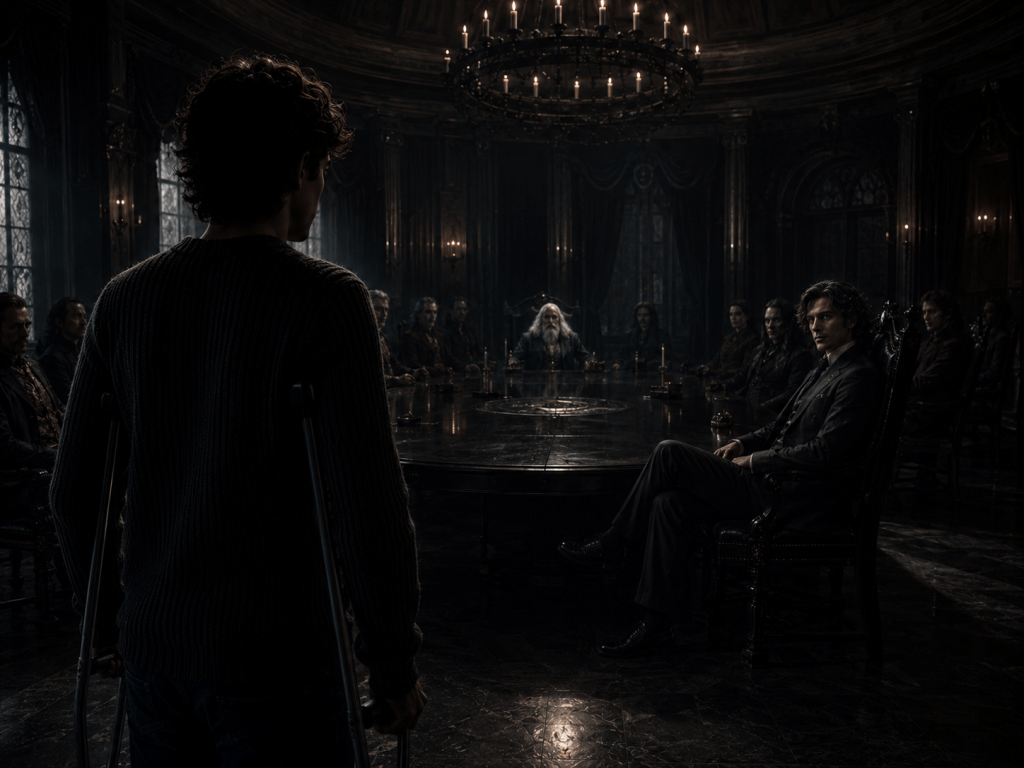
Eidasu. Ewayeen. Story and Visuals

Едасу

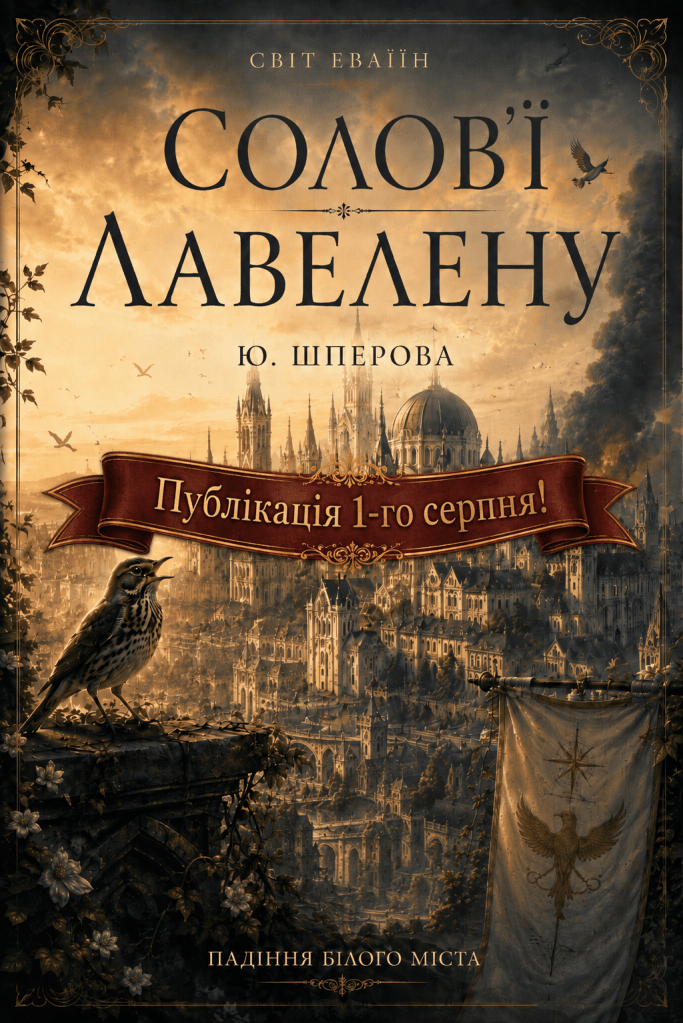
Напередодні виходу оповідання “Солов’ї Лавелену”, який, до речі, заплановано на 1 серпня, пропоную трохи більше дізнатися про дітей Еви. І насамперед, про Едасу, і пригадати одного з тих, із ким ми вже зустрічалися у Сказанці про Крижаного Звіра”.

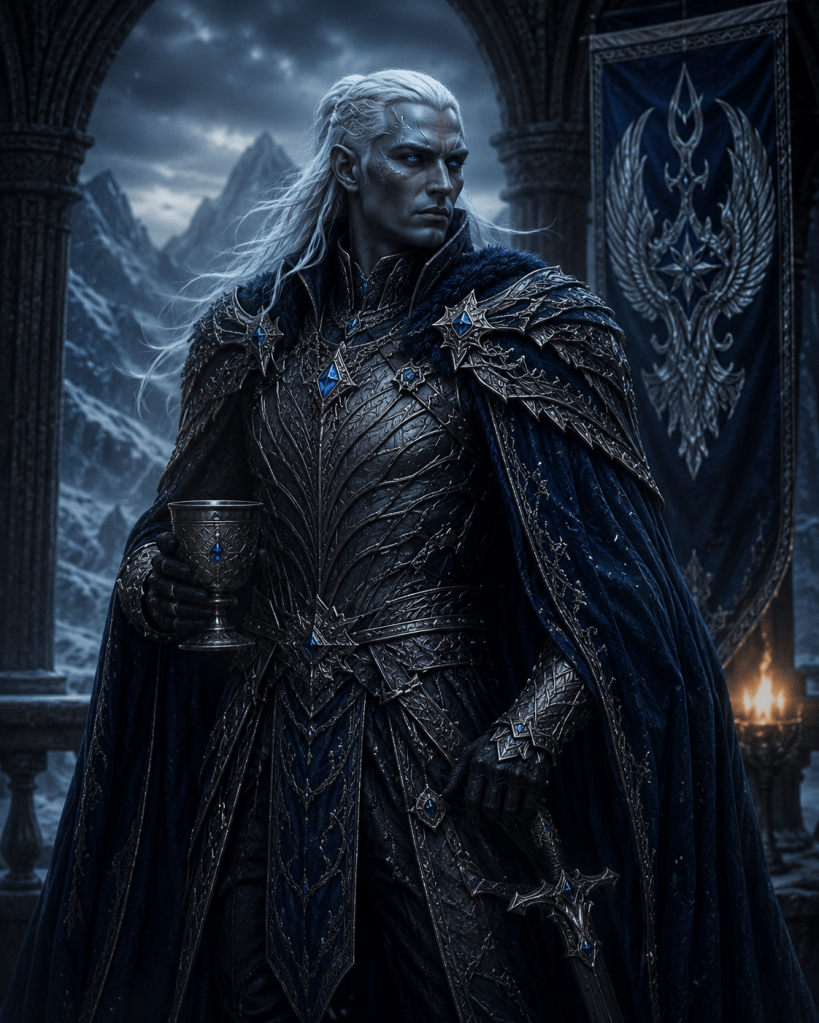
Е’тіля Імеа.
Або просто Гема, як Е’тіль сам просив себе називати.

У самій “Сказанці” ми бачимо лише невелику частину його життя. Проте за Гемом стоїть давній і могутній рід, численні брати й сестри, віддалені землі, родові обов’язки та історія, що простягається далеко за межі однієї розповіді.

Рід Імеа, як і всі інші роди гілки Едасу, веде своє походження від Арона – другого сина Еви й Ірна, хранителя Східних Гір. За переказами, саме він взяв собі за дружину темношкіру чорнооку мисливицю з гірських племен Найрі. Від цього союзу й пішов народ Eidasu.

Кажуть, Едасу успадкували від своїх пращурів витривалість, гострий зір, уміння жити серед скель і темних лісів, а ще, здатність перекидатися на тварин. Можливо, саме тому в них завжди було щось від дикої природи: щось вільне, небезпечне й трохи відсторонене від решти світу. 

Голова роду Імеа

Нинішній глава роду Імеа: Ейрн Лірхельм Оллавур Імеа, Вищий Алар і Владика над дванадцятьма Алами. Понад усе він прагне повернути Едасу колишню славу й довести, що саме вони є наймогутнішою з гілок дітей Еви.

Своїх дітей Лірхельм виховував не лише як спадкоємців. Кожен із них мав стати частиною його великого задуму. Одні охороняли кордони, інші керували віддаленими землями, навчалися у давніх чарівників або жили серед інших народів. Лірхельм розставив синів і дочок по всьому континенту так, щоб скрізь мати власні очі, вуха й руки.

Не дивно, що близькість у цій великій родині часто поступалася місцем обов’язку. Діти Лірхельма знали, ким повинні стати для роду, значно раніше, ніж устигали зрозуміти, ким хочуть бути самі.

Воїни-ворони

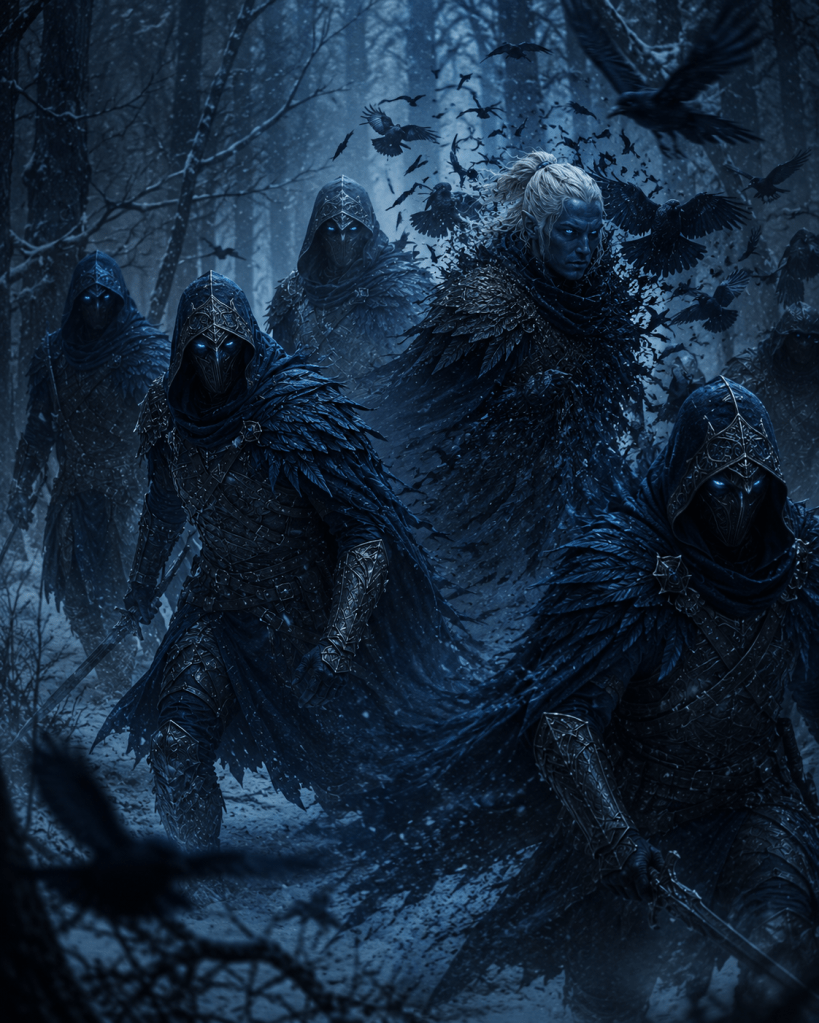
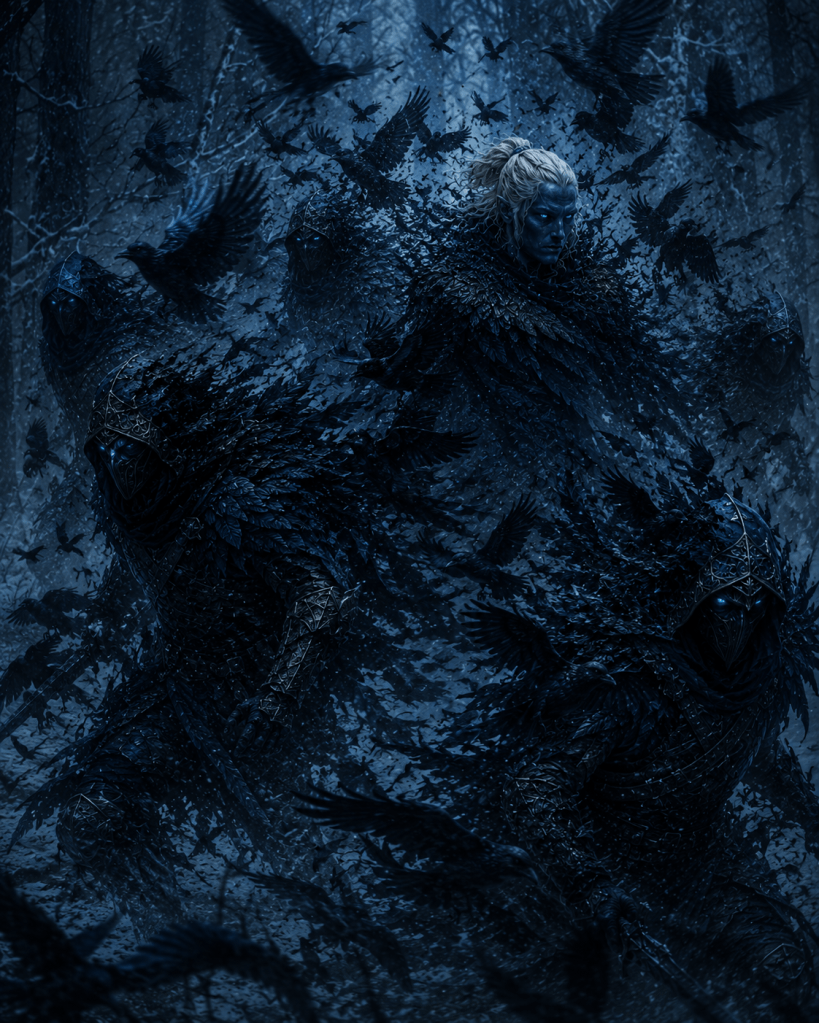
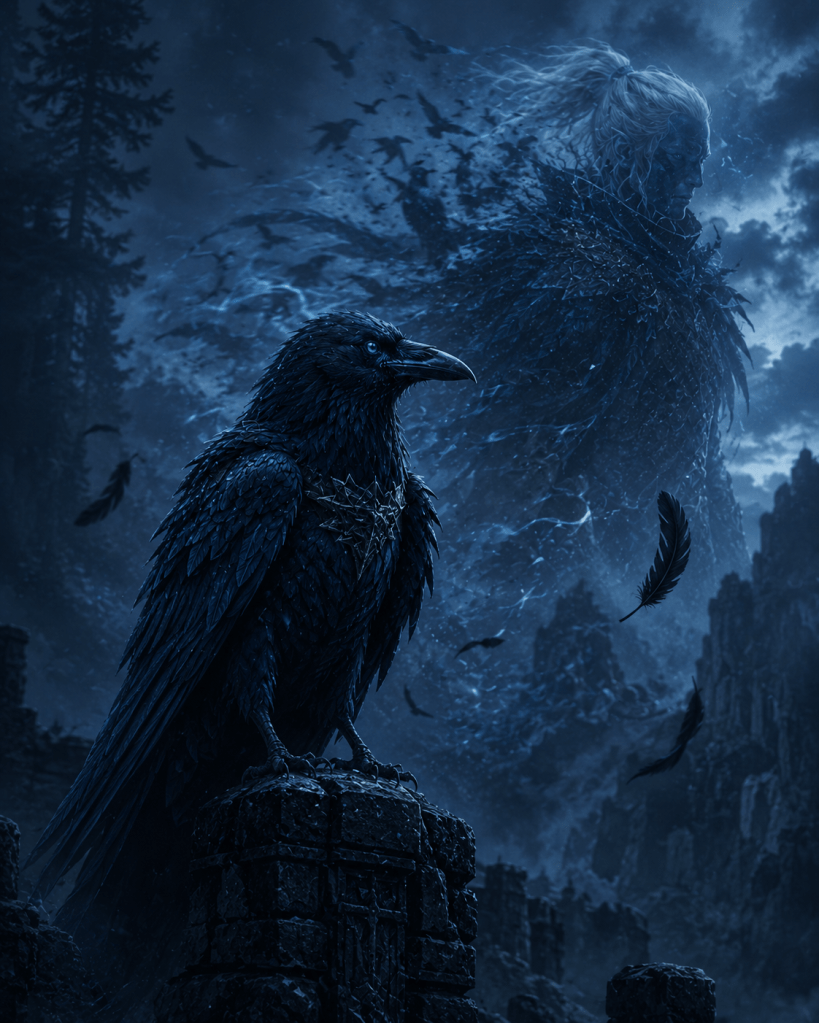
Особливе місце серед слуг Вищого Алара посідали альви – воїни-перевертні Едасу.

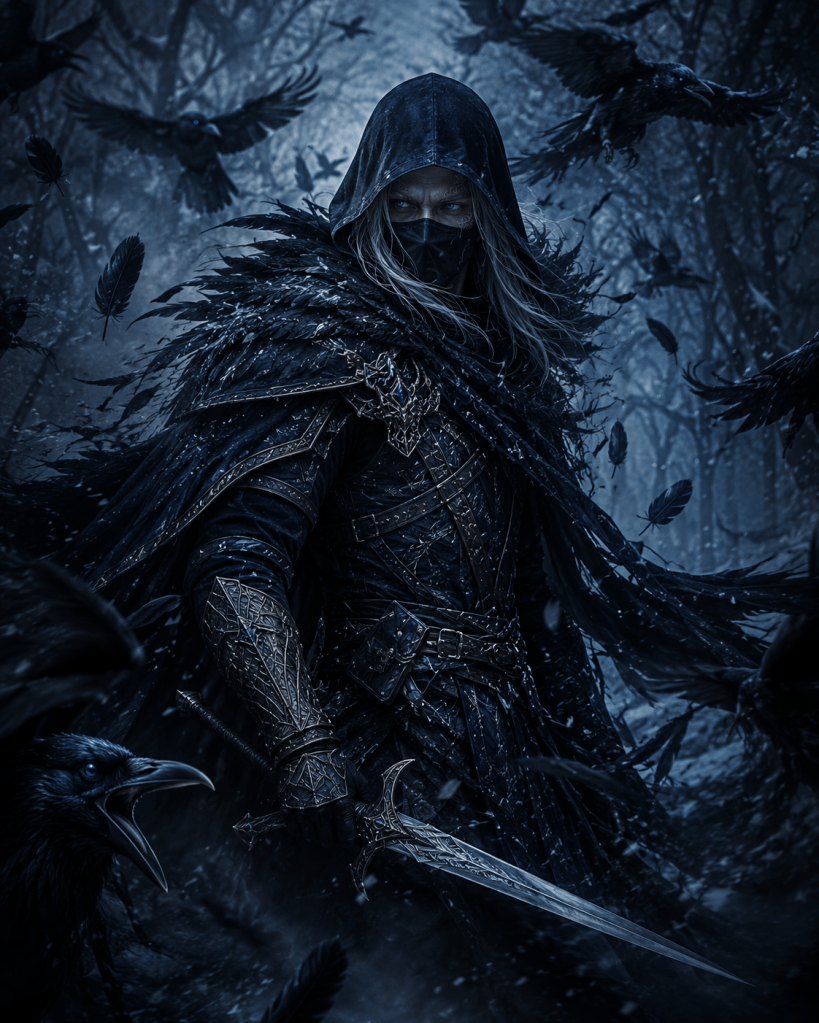
Вони могли перекидатися на воронів, долати величезні відстані зграєю, непомітно стежити за супротивниками й з’являтися там, де на них найменше чекали. Закуті в темне залізо, в однакових масках і панцирах, альви виконували накази Лірхельма, проводили розвідку та оберігали інтереси Едасу за межами їхніх земель.

Саме до них належав Гем.

До нього шпигуном Алара був його молодший брат Ейм. Після загибелі Ейма це місце і посів Е’тіль.

І тут, мені здається, особливо добре видно ставлення Лірхельма до власних дітей: смерть одного сина не зупинила його задумів. Звільнене місце просто мав зайняти інший. Добре, що синів в нього вистачає…

Для роду це було продовженням служби. Для Е’тіля – втратою брата і новим обов’язком, від якого він не міг відмовитися.

Увага: далі будуть спойлери до “Сказанки про Крижаного Звіра”.

На початку своєї історії Гем багато в чому поділяє переконання батька. Він вірить у велич Едасу, у право сильнішого керувати слабшими й у те, що деякі народи нібито самою долею призначені коритися.

Але ще навіть не називаючи Волошиних своїми друзями, Гем рятує їх, допомагає вибратися з Другецю, знаходить загублену зброю і ділиться власною кров’ю з Родосвітом, аби той вижив. Він продовжує стежити за братами й виконує накази батька, але водночас раз у раз порушує їх заради тих, кого мав лише використати.

Його вражають стосунки Бестужа й Родосвіта. Вони сваряться, сердяться, завдають одне одному болю, але в найважчі миті знову обирають одне одного. Родосвіт захищає молодшого брата не тому, що так наказує володар або вимагає рід. І Бестуж іде за ним не лише через страх чи залежність. Ні, спочатку вони саме так і роблять) Але життя їх мирить одне з одним. І в решті решт, їх пов’язує те, чого Гем майже не знав у власній численній родині: братня відданість, яка не потребує користі.

Я гадаю, щось подібне колись пов’язувало його з Еймом, наймолодшим із братів Імеа. Гем згадує, що в дитинстві радів уже самому факту, що після нього народився ще хтось і він не залишився наймолодшим. Після загибелі Ейма зник останній, поруч із ким Е’тіль міг почуватися не шпигуном, альвом або сином Вищого Алара, а просто братом.

Саме тому його дитяче прізвисько набуває зовсім іншого значення.

– Мене звати Е’тіль. Е’тіль, не Гем. Я тоді назвався вам прізвиськом, яким мене кликали в дитинстві, – глухо відповідав він й я закляк. 

– І що ж значить то твоє прізвисько?

– М’яко кажучи, безпритульник. Бродяжка. Волоцюга.

Гемом його називали в ті часи, коли його ще неможливо було втримати вдома: він постійно тікав, мандрував і прагнув побачити світ за межами батькових володінь. Згодом це ім’я повернулося до нього разом із воїнами-воронами, і невипадково саме ним він назвався Волошиним.

Та справжній вибір Гем робить пізніше. Коли Бестуж опиняється у в’язниці лорда Лірхельма, Гем уже не намагається переконати того в правоті Едасу. Він сам стає бранцем власного батька. А коли з’являється можливість утекти, Гем повертається по Родосвіта, виносить його з казні й допомагає братам залишити Ашпіль.

Навіть тоді, коли місто вже поглинає море, він не кидає пораненого Родосвіта. А зустрівшись із Ніамом, виходить уперед і захищає собою Бестужа.

Гем уперше відкрито заперечує усьому, чого його навчав батько. Він відмовляється визнавати вигадане право Едасу на владу над Континентом і називає прагнення до завоювання тим, чим воно насправді стало: чужою брехнею, що живила гордість Лірхельма.

У “Сказанці” він майже не отримав часу пожити відповідно до власного вибору. Але встиг довести його вчинками.

Е’тіль Імеа загинув як син одного з наймогутніших родів Едасу.

А Гем – як той, ким вирішив стати сам.

Мабуть, саме тому мені й досі трохи прикро з ним розставатися.

Але історія Едасу на цьому не завершується. Далі ми ще поговоримо про Ораолів і Саїнна, а вже 1 серпня повернемося до останнього дня однієї з трьох гілок дітей Еви, – в оповіданні “Солов’ї Лавелену”.

~~~

Eidasu

Ahead of the release of “The Nightingales of Lavelen,” which, by the way, is scheduled for August 1, I would like to tell you a little more about the Children of Ewa. First of all, about the Eidasu—and to revisit someone we have already met in “The Tale of the Ice Beast.”

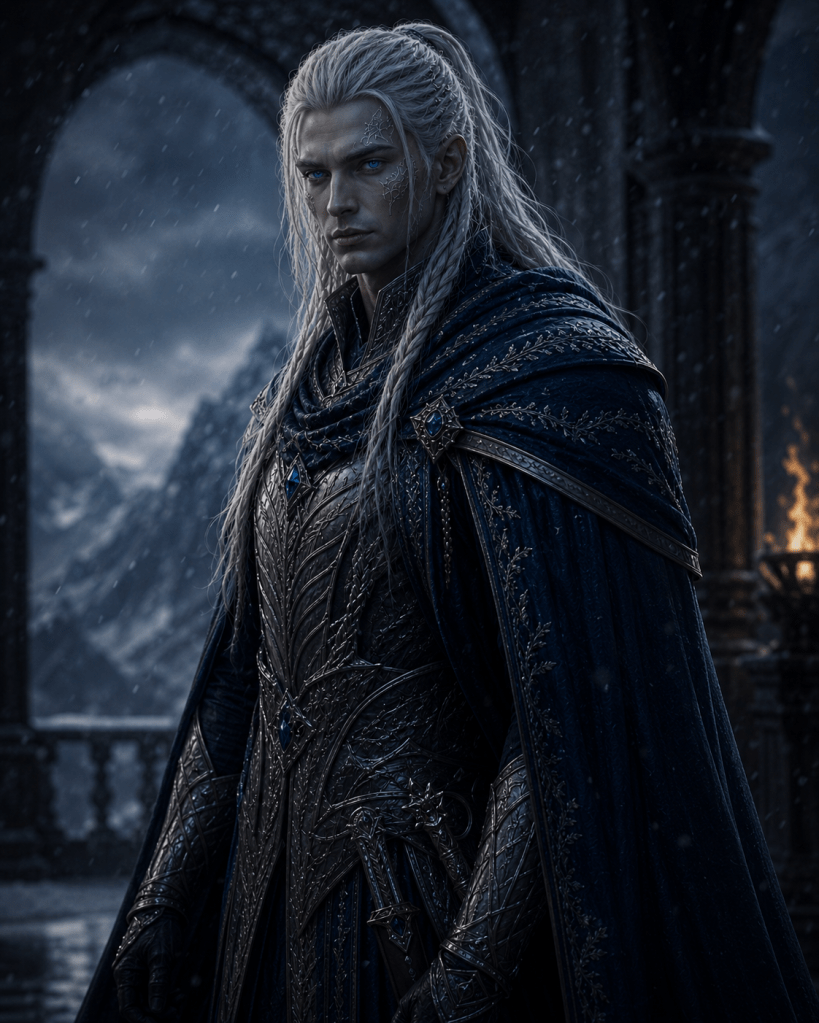
E’til Imea.
Or simply Gem, as E’til himself asked to be called.

In The Tale, we see only a small part of his life. Yet behind Gem stands an ancient and powerful house, numerous brothers and sisters, distant lands, family duties, and a history that stretches far beyond the boundaries of a single story.

House Imea, like every other house belonging to the Edasu branch, traces its ancestry back to Aron, the second son of Eva and Irn and the guardian of the Eastern Mountains. According to legend, he took as his wife Nairi, a dark-skinned, black-eyed huntress from one of the mountain tribes. From their union came the people known as the Eidasu.

The Eidasu are said to have inherited their ancestors’ endurance, keen eyesight, ability to survive among cliffs and dark forests, and the gift of transforming into animals. Perhaps that is why there has always been something of the wild in them: something free, dangerous, and slightly removed from the rest of the world.

Head of House Imea

The current head of House Imea is Eirn Lirhelm Ollavur Imea, High Alar and Lord of the Twelve Als. More than anything, he wishes to restore the former glory of the Edasu and prove that they are the mightiest of all the branches descended from the Children of Ewa.

Lirhelm did not raise his children merely as heirs. Each of them was meant to become part of his greater design.

Some guarded the borders. Others governed distant lands, studied under ancient mages, or lived among other peoples. Lirkhelm scattered his sons and daughters across the continent so that he would always have his own eyes, ears, and hands wherever he needed them.

It is hardly surprising that, within such a large family, affection often gave way to duty. Lirhelm’s children learned what they were expected to become for the sake of their house long before they had the chance to understand who they wished to become for themselves.

The Crow Warriors

The Alvi—Eidasu warrior-shapeshifters—held a special place among the servants of the High Alar.

They could transform into crows, cross enormous distances as a flock, observe their enemies without being noticed, and appear where they were least expected. Clad in dark iron, wearing identical masks and armour, the Alvi carried out Lirhelm’s orders, gathered intelligence, and protected Eidasu interests far beyond their own lands.

Gem was one of them.

Before him, the Alar’s spy had been his younger brother, Eim. After Eim’s death, E’til took his place.

And this, I think, reveals Lirhelm’s attitude toward his own children particularly well: the death of one son did not halt his plans. The newly vacant position simply had to be filled by another.

Good thing he had sons to spare…

For the house, it was merely a continuation of service. For E’til, it was the loss of a brother—and a new duty he had no power to refuse.

Spoiler warning: the following contains spoilers for “The Tale of the Ice Beast”

At the beginning of his story, Gem shares many of his father’s beliefs. He believes in the greatness of the Eidasu, in the right of the strong to rule the weak, and in the idea that some peoples are supposedly destined by fate itself to submit.

Yet even before he is ready to call the Voloshyn brothers his friends, Hem saves them. He helps them escape from Drugets, recovers their lost weapons, and shares his own blood with Rodosvit so that he might survive.

He continues to watch the brothers and carry out his father’s orders, but at the same time, he repeatedly breaks those orders for the sake of the very people he was only meant to use.

The relationship between Bestuzh and Rodosvit fascinates him. They quarrel, grow angry, hurt one another, yet in the moments that matter most, they continue to choose each other.

Rodosvit protects his younger brother not because a ruler commands it or because their family demands it. And Bestuzh does not follow him merely out of fear or dependence.

Well, at first, that is exactly what they do.

But life gradually reconciles them. In the end, they are bound by something Hem has barely known within his own vast family: brotherly devotion that asks for nothing in return.

I imagine that something similar once existed between him and Eim, the youngest of the Imea brothers. Hem remembers that, as a child, he was happy simply because someone had been born after him and he was no longer the youngest.

After Eim’s death, E’til lost the last person beside whom he might have felt not like a spy, an Alvi, or the son of the High Alar—but simply like a brother.

That is why his childhood nickname takes on an entirely different meaning.

“My name is E’til. E’til, not Gem. Back then, I gave you the nickname they used to call me when I was a child,” he replied dully, and I froze.

“And what does that nickname mean?”

“To put it mildly—a homeless one. A wanderer. A vagabond.”

He had been called Gem in the days when no one could keep him at home: he was always running away, wandering, and longing to see the world beyond his father’s lands.

Later, that name returned to him alongside the Raven Warriors—and it was no coincidence that this was the name he gave the Voloshyn brothers.

But Gem makes his true choice much later.

When Bestuzh is imprisoned by Lord Lirhelm, Gem no longer tries to persuade him that the Edasu are right. He becomes a prisoner of his own father. And when an opportunity to escape finally appears, Hem goes back for Rodosvit, carries him out of the dungeon, and helps the brothers flee Ashpil.

Even as the sea begins to swallow the city, he refuses to abandon the wounded Rodosvit. And when they face Niam, Hem steps forward and shields Bestuzh with his own body.

For the first time, Gem openly rejects everything his father taught him. He refuses to recognise the Eidasu’s supposed right to rule the Continent and calls their desire for conquest what it has truly become: another lie feeding Lirhelm’s pride.

In “The Tale of the Ice Beast,” Gem is given almost no time to live according to his own choices.

But he has enough time to prove them through his actions.

E’til Imea died as the son of one of the most powerful houses of the Edasu.

Hem died as the person he had chosen to become.

Perhaps that is why I am still a little sad that I had to say goodbye to him.
But the story of the Edasu does not end here. Next, we will speak about the Oraolё and the Sainna—and on August 1, we will return to the final day of one of the three branches of Ewa’s children in “The Nightingales of Lavelen.”
Chimera. Visuals #1

✨ Якщо вам цікаво познайомитися зі світом «Хімери», залишаю посилання:

wattpad – Eng

booknet – Ukr

~~~

✨ If you’d like to explore the world of Chimera, here are the links:

wattpad – Англійською

booknet – Українською

~Blossoms in the Dark~

I’m finally sharing something new — a story that feels very different from what I usually write.

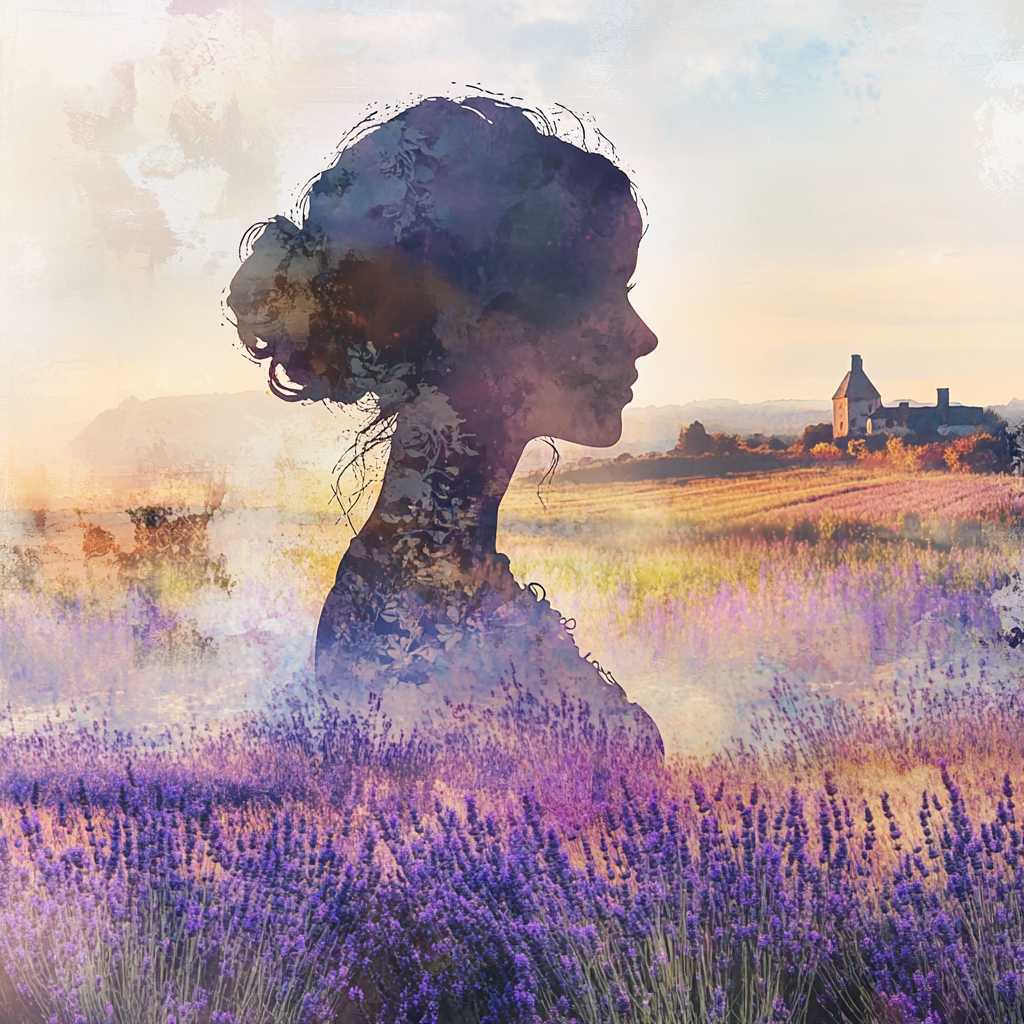
“Blossoms in the Dark” is a novel about a young woman who gradually loses her sight and learns how to live in a world that suddenly begins to exist through sound, touch, scent, and memory instead of light. It’s a story about fear, acceptance, love, and the strange way people sometimes begin to see the most important things only after the world goes dark.

Honestly, I wasn’t planning to write this book right now. But this story arrived in my head and stayed there so stubbornly that every other project had to wait.

And maybe, as someone with very poor eyesight myself, I understand my heroine a little more than I would like to.

I hope you’ll love Jane and her story as much as I already do.

~~~

Викладаю зараз дещо нове, за кілька днів виставлю всі розділи. Це історія, що зовсім не схожа на інші мої роботи.

“Квіти в темряві”  – це розповідь про дівчину, яка поступово втрачає зір і вчиться жити у світі, налаштованом на людей без вад зору. Про страх. Про прийняття. Про любов. І про те, що іноді людина починає бачити найважливіше лише тоді, коли зникає світло.

Чесно кажучи, я не планувала писати цю книгу саме зараз. Але ця історія прийшла мені в голову й засіла там настільки міцно, що всі інші проєкти довелося змусити чекати.

І, мабуть, як людина з дуже поганим зором, я розумію свою героїню трохи більше, ніж хотіла б.

Сподіваюся, Джейн сподобається вам так само, як уже встигла сподобатися мені.

Music Is the Strongest Magic

The more I think about it, the more I agree with Dumbledore: music is real magic. It goes deeper than words, ideas, or even the most complex spells.
We often forget what was said in movies – but the music stays. It weaves itself into memory, emotion, the soul.

People who can create music are true geniuses. I’ve been listening mostly to soundtracks from films and games for a long time now. And every time a track truly reaches me, I’m able to write my strongest scenes.
Maybe it’s because music shares a part of its power with me. A part of its genius.
And that is incredibly powerful.

~~~

Чим більше думаю, тим більше погоджуюся з Дамблдором: музика — це справжня магія. Вона перевершує слова, ідеї, навіть найскладніші закляття.
Ми часто не пам’ятаємо, що саме говорили персонажі у фільмах. Але музика – вона лишається. Вона вшивається в пам’ять, у відчуття, у серце.

Люди, які вміють створювати музику, — справжні генії. Я вже давно слухаю переважно саундтреки з фільмів та ігор. І щоразу, коли якийсь трек западає мені глибоко в душу, я можу створити найсильнішу сцену.
Мабуть, тому що музика ділиться зі мною часткою своєї сили. Часткою свого генія.
І це – неймовірно потужно.

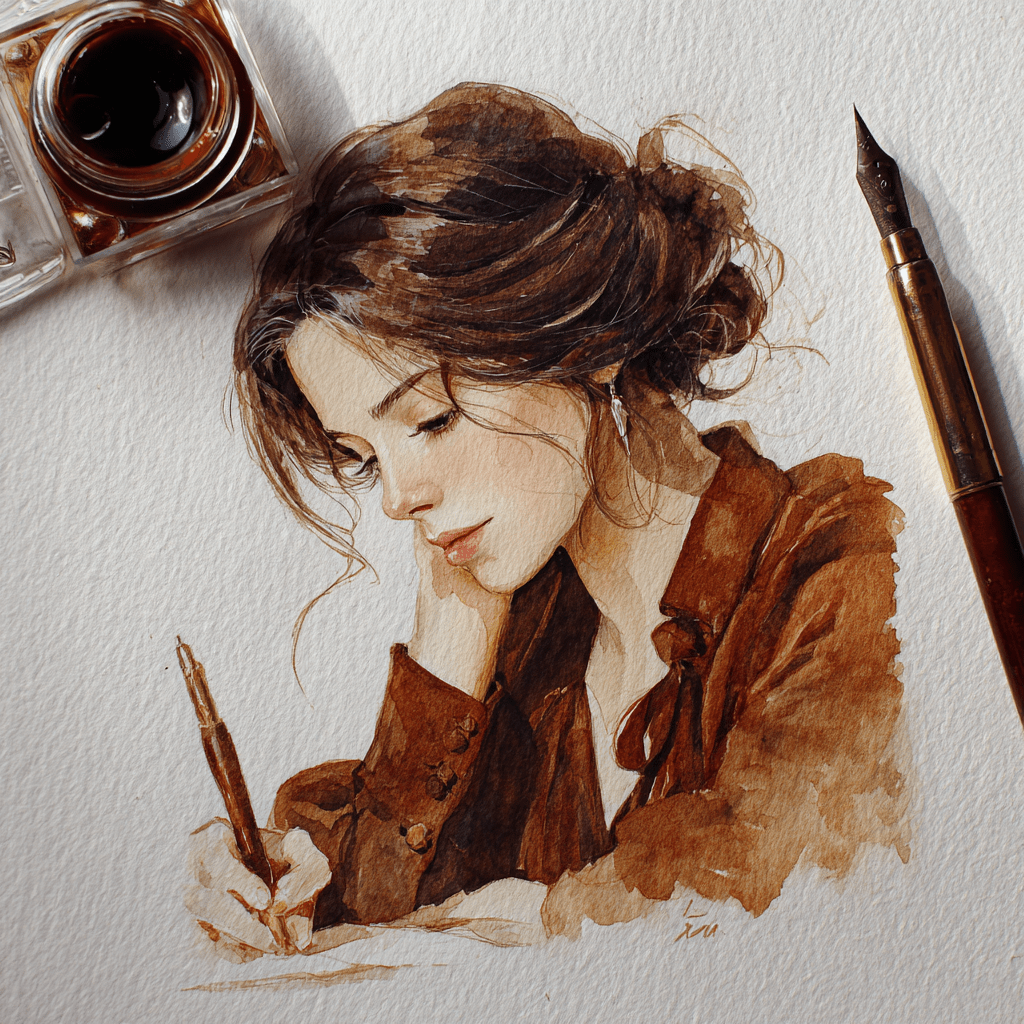
What It Costs to Be a Writer

Being a writer costs more than people think.
It’s the hours you could spend with family.
The laundry you’ll do tomorrow.
The dinner you forget to eat because you’re stuck in one stubborn scene.

It’s realizing your book might be read by a handful of people —
your family, a few strangers who stumbled across your page — and that’s it.
It’s knowing your writing isn’t perfect, but still trying, learning something new with every sentence you rewrite.

And still, we do it.
Because somewhere between the frustration and the flow, between the silence and the spark,
there’s a moment when the story breathes — and that makes it all worth it.

Maybe that’s the whole point:
we write because we love the process.
Otherwise, there would be no writers left.


Ціна бути письменником

Бути письменником — це дорожче, ніж здається.
Це години, які ти міг би провести з родиною.
Прання, яке ти зробиш завтра.
Вечеря, про яку ти забудеш, бо застряг у впертій сцені.

Це усвідомлення, що твою книгу, можливо, прочитають кілька людей — твоя сім’я та кілька випадкових читачів, що натрапили на твою сторінку.
Це розуміння, що пишеш неідеально, але все одно прагнеш і вчишся — з кожним реченням.

І все ж — ми пишемо.
Бо десь між розчаруванням і натхненням, між тишею й іскрою
є момент, коли історія оживає — і заради нього все це варто пережити.

Мабуть, у цьому й сенс:
Ми пишемо, бо любимо сам процес.
Інакше письменників би просто не існувало.

Why “Chimera” — and How It All Began

⚠️ Spoiler alert: This post contains plot details from Chimera and its sequels.

It all started with an image in my head.
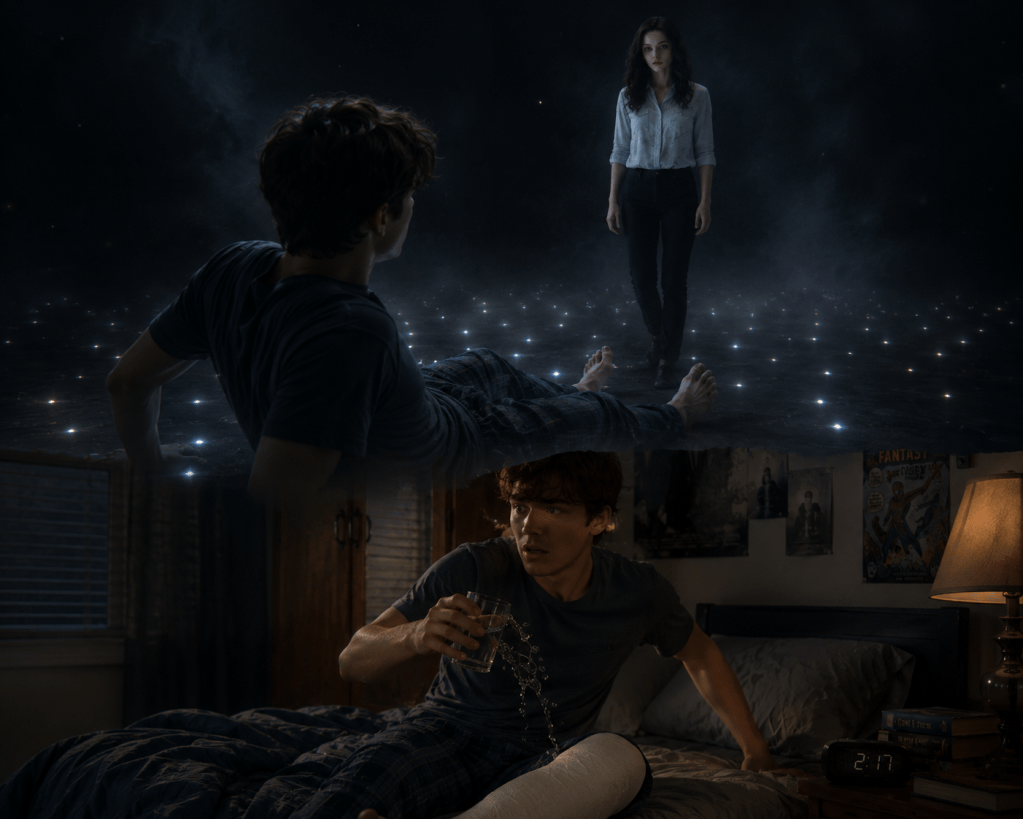
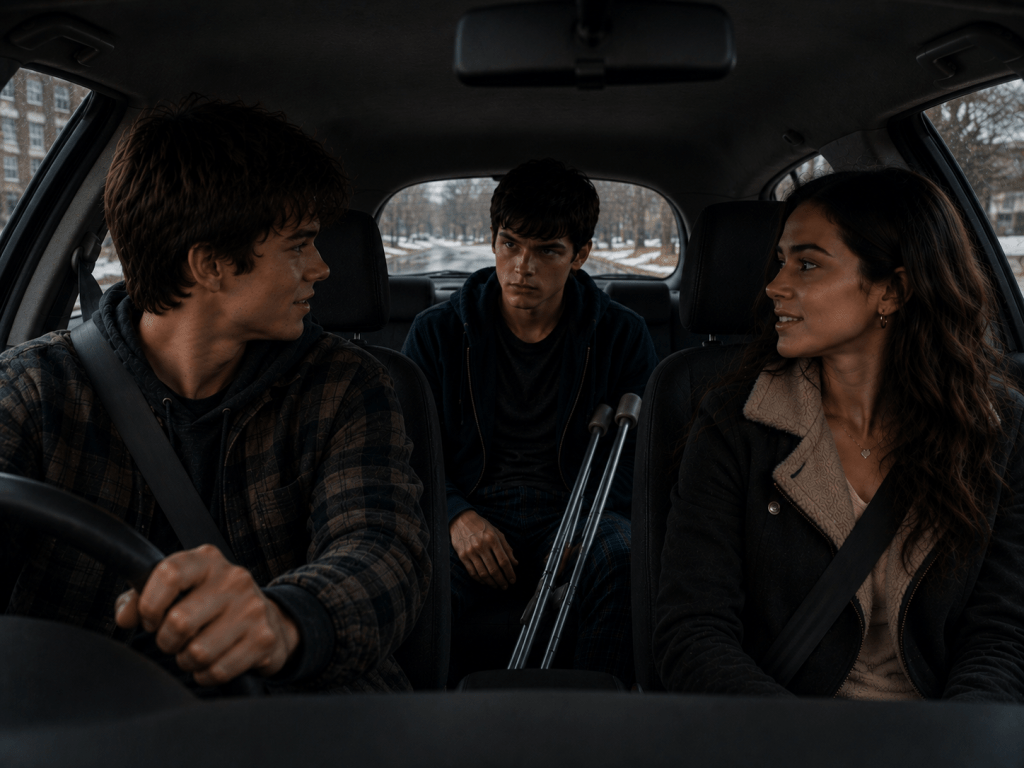
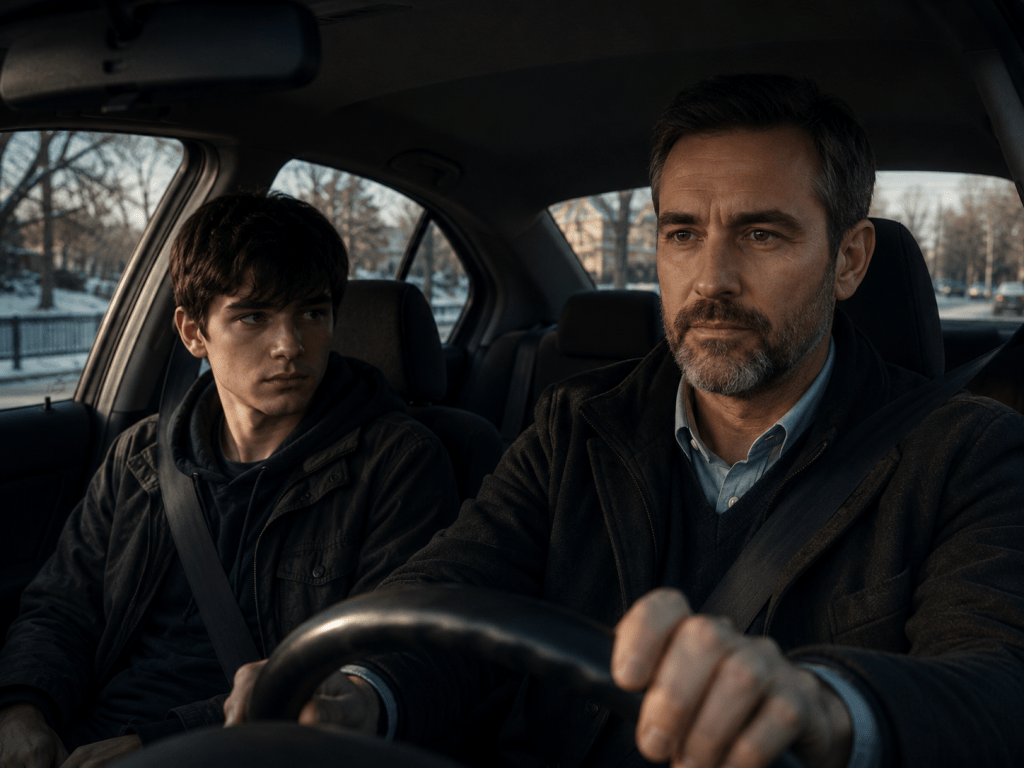
No clear idea, just a scene — a boy in a car crash on an empty, icy road. He saw something… he just can’t remember what.
Back then, I didn’t know who they were, what their names were, or that this moment would eventually evolve into the scene of James Bristol’s death — one of the central characters in this story.
I was just writing down whatever came into my mind, without thinking about plot or logic. But over time, these thoughts became more persistent. And so I had to keep writing them down.

Naming the characters wasn’t easy either.
I think only Martin L’Automne and the Council of Five gave me no trouble with their personalities.
The rest? They made me sweat.
Eleanor and James came to me much later — they had completely different names at the beginning.
But Francis was the hardest. I spent a lot of time shaping his face, choosing his name, figuring out how he thinks, how he speaks — and nothing ever felt quite right.
Still, I knew he mattered. I had to find a place for him in the story.

The first completed version was called Stone Heart.
It was a small story about a lonely boy searching for himself. I wasn’t planning on a sequel, didn’t expect it to grow into anything bigger.
But when I wrote the final lines, I realized there were too many unanswered questions.
What happens to them next?
And who has James truly become?

Eventually, the answer came. Strangely simple:
He became someone who carries every aspect of magic within himself — Light, Darkness, and Shadow.
That’s why he’s so powerful.
That’s why everyone is afraid of him.
He’s not just a mage.
He’s a Chimera.
And once that clicked, the puzzle began to take shape more quickly.
But where did the idea of the Chimera even come from?

As a child, I was obsessed with Greek mythology.
That’s where I first learned about the Chimera — a strange creature made from different beasts, with fire burning inside.
It was powerful, near-immortal, mysterious — everything I craved.
There was something unsettling and yet oddly familiar in its image.
The idea of contradiction, of conflict embedded in one’s very nature, struck a deep chord I didn’t fully understand at the time.

Then it all became clear:
If James was that Chimera — a one-of-a-kind being no one had seen for centuries — then someone had to create him.
Someone stronger.
Someone pulling the strings.
That’s how Typhon appeared — the father of the Chimera, the father of all dark creatures.
He had always been lurking in the shadows, it seemed, waiting for me to notice him.
And with him came everything else — images, horrors, and ideas that had been shapeless for far too long.

When I finished the first draft of Typhon, the second book, the structure of the whole story finally came into focus.
I could see where it was headed, how it should end.
Now I’m working on the second draft of the third and final book.
And while the road has been long, I’m no longer in a rush to finish.
What I truly want now is to walk that last stretch of the journey with my characters — and discover how they’ll make it to the end.

So how did it all begin?
Looking back, I think I was missing that sense of mystery in my own steady, predictable life — and maybe that’s why, step by step, I kept turning James into a magician, deeper and deeper into his world.
I didn’t always know what I was doing.
Often I wrote blindly, rewriting and rewriting again.
But now, when I look back, I see that none of it was random.
And maybe… that’s reason enough to keep going.

~~~

Чому саме «Хімера» — і з чого все почалося

⚠️ Спойлер-алерт: цей допис містить подробиці сюжету «Хімери» та її продовжень.

Все почалося з образу в голові. Жодної чіткої ідеї, лише картина – хлопець, що потрапив в автомобільну аварію на пустій зледенілій трасі; він бачив щось, тільки не може згадати що саме. Тоді я ще не знала, хто вони, як їх звати, і що ця сцена згодом еволюціонує в сцену смерті Джеймса Брістоула – одного з головних героїв цієї історії. Я просто записувала все, що з’являлося в уяві, не думаючи ні про сюжет, ні про логіку. Але з часом ці думки стали наполегливішими. І тоді довелося їх записувати.

З іменами теж вийшло непросто. Гадаю, тільки Мартін Лютом і Рада П’яти не зробили мені проблем з їх особистостями. З іншими ж довелося спітніти. Елінор і Джеймс прийшли до мене ще пізніше – на початку їхні імена були зовсім іншими. А от із Френсісом я провела багато часу обираючи йому обличчя і ім’я: довго не могла визначити, яким він має бути, як говорить, як мислить, все здавалося не тим. Але відчувала – він важливий. І йому треба дати місце в цій історії.

Тож, перший завершений варіант називався «Кам’яне серце». Це була маленька історія про самотнього хлопця, який шукає себе. Я не планувала продовження, не думала, що з цього щось виросте. Але коли дописала фінал, залишилося занадто багато запитань. Що з ними буде далі? І ким насправді став Джеймс?

Зрештою відповідь з’явилася. Несподівано проста: він став тим, хто вміщує в собі всі аспекти магії – Світло, Темряву й Тіні. Саме тому він такий сильний. Саме тому від нього всі тікають. Він не просто маг. Він – Хімера. Після цього пазл почав складатися швидше. Але де взялася та Хімера?

В дитинстві я дуже любила читати міфи Стародавньої Греції. І саме тоді вперше дізналася про хімеру – дивну істоту з тілом кількох звірів і вогнем всередині. Вона сильна, майже безсмертна, загадкова і це саме те що мені було потрібне. В самому її образі було щось тривожне і щось знайоме водночас. Ідея поєднання протилежностей, конфлікту в самій своїй природі, чіплялася за мене сильніше і глибше, ніж я усвідомлювала на той час.

А потім стало ясно: якщо Джеймс – та сама хімера, виняткове створіння, про яке не чули сторіччями, то хтось мав створити його. Хтось сильніший. Той, хто тягне за нитки. Так з’явився Тифон – батько Хімери, батько всіх створінь темряви. Він ніби завжди був десь у тіні, просто чекав, поки я його помічу. І разом із ним прийшло багато іншого – образів, жахів, ідей, які довго не мали форми.

Коли я завершила першу чернетку «Тифона», другої книги, структура всієї історії нарешті стала зрозумілою. Я побачила, куди вона веде, яким буде фінал. Зараз я працюю над другою чернеткою третьої – завершальної – частини. І хоча шлях був довгий, зараз мені цікаво не стільки завершити, скільки дізнатися разом із героями, як саме вони пройдуть цей останній відрізок.

Тож як все почалося? Я часто думаю, що тоді мені вкрай не вистачало тієї загадковості, тих містерій у власному сталому житті – і, мабуть, саме тому я так наполегливо, крок за кроком, перетворювала Джеймса на чарівника і поглиблювалася в його життя. Я не завжди знала, що роблю. Часто – писала навпомацки і переписувала, переписувала. Але зараз, коли оглядаюся назад, бачу: все склалося не просто так. І, мабуть, це вже непогана причина продовжувати.

Looking for…inspiration?

Inspiration is a mysterious thing, isn’t it? We often wait for it like it’s some magical force that will strike suddenly, filling our minds with brilliant ideas and our hands with unstoppable energy. But here’s the truth: waiting for inspiration is a luxury we can’t afford.

Inspiration isn’t something you find—it’s something you cultivate. It’s not about sitting idly by, hoping for a spark. It’s about showing up every single day, ready to put in the work, even when the creative well feels dry.

Here’s what I’ve learned:

  • Discipline fuels creativity – Write, draw, or create every day, even if it feels forced. Often, the act of working sparks the inspiration you’ve been waiting for. And if you feel completely stuck, go back to what you created yesterday. Re-reading, tweaking, or editing it might reignite your ideas and help you move forward, inspired by what you’ve already accomplished.
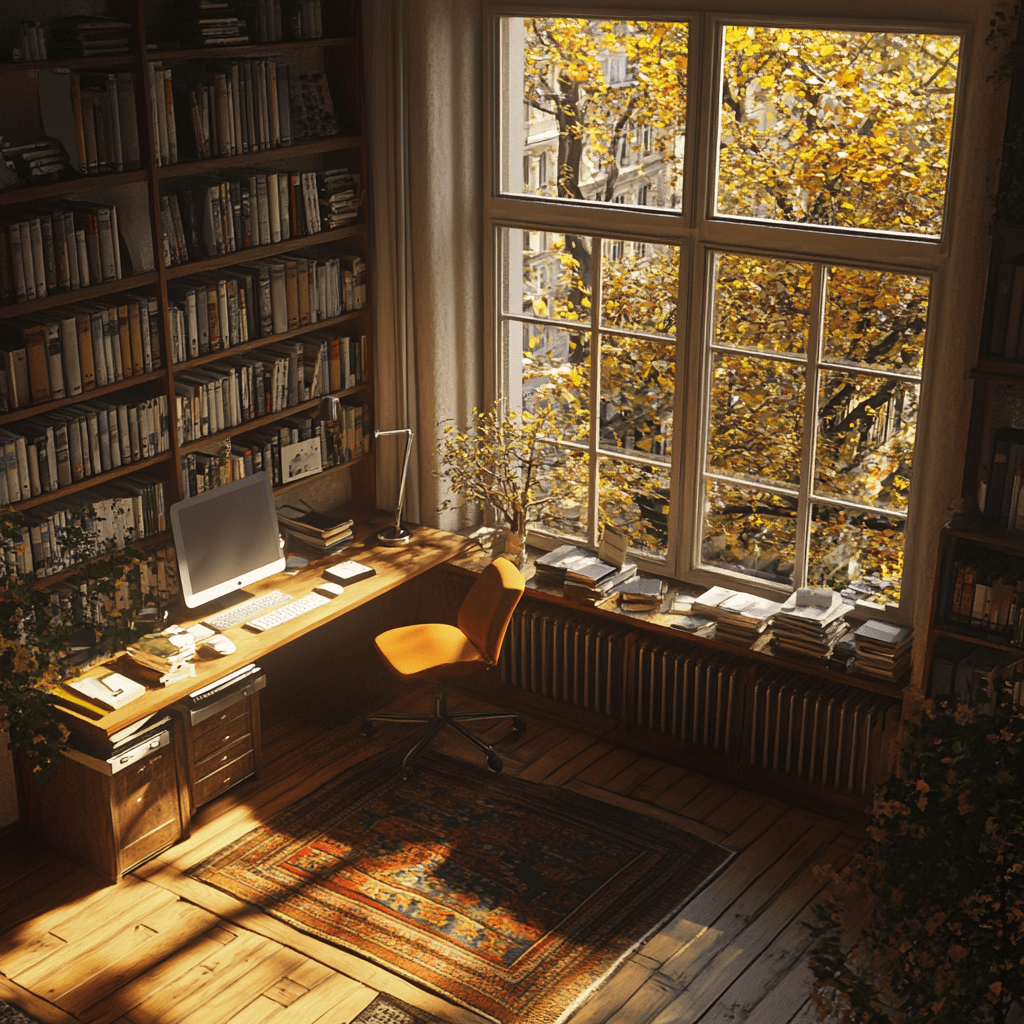
  • Find beauty in the mundane – Inspiration doesn’t always come from grand, life-changing moments. It’s in the way light falls across a table, the rhythm of your footsteps, or the view from your car’s rear window.
  • Stay curious – Read widely, explore new places, or dive into a topic you’ve never considered before. Curiosity is the birthplace of ideas.
  • Embrace imperfection – Not every creation will be a masterpiece, and that’s okay. The key is to keep moving forward, learning, and growing along the way. This was one of the hardest truths I had to face: I will never be perfect, and neither will my projects. But we exist—and that’s enough.

Inspiration isn’t a destination; it’s a practice. It’s about seeing the world with fresh eyes and putting in the effort, no matter what.

So, if you’re “looking for inspiration,” stop waiting and start working. The muse often shows up when you do.

What inspires you? Share your thoughts in the comments—I’d love to hear them!

P. S. A long time ago, I heard a phrase that inspires me since: “A writer is someone who writes.” So, keep writing.

~~~

Натхнення – загадкова річ, чи не так? Ми часто чекаємо на нього, як на магічну силу, яка раптом вдарить, наповнюючи наш розум блискучими ідеями, а руки – невгамовною енергією. Але ось правда: чекати на натхнення – це розкіш, яку ми не можемо собі дозволити.

Натхнення – це не те, що знаходять, а те, що вирощують. Це не про те, щоб сидіти склавши руки й чекати на іскру. Це про те, щоб щодня з’являтися до роботи, навіть коли здається, що творча криниця пересохла.

Ось що я зрозуміла:

  • Дисципліна живить креативність – Пишіть, малюйте чи творіть щодня, навіть якщо це здається вимушеним. Часто саме процес роботи запалює ту іскру, на яку ви чекали. І якщо здається, що ви зовсім не можете писати, просто поверніться до того, що створили вчора. Перечитування, редагування або доповнення може надихнути вас продовжити, спираючись на те, що ви вже зробили.
  • Знаходьте красу в повсякденному – Натхнення не завжди приходить із великих, переломних моментів. Воно у тому, як світло падає на стіл, у ритмі ваших кроків або у краєвиді, що відкривається через заднє вікно вашого авто.
  • Будьте допитливими – Читайте різноманітну літературу, відкривайте нові місця або занурюйтесь у тему, про яку раніше не думали. Допитливість народжує ідеї.
  • Приймайте недосконалість – Не кожен витвір буде шедевром, і це нормально. Головне – рухатися вперед, вчитися і зростати. Це була одна з найважчих істин, які я зрозуміла: я ніколи не буду ідеальною, і мої проєкти також. Але ми існуємо – і цього достатньо.

Натхнення – це не пункт призначення; це практика. Це про те, щоб бачити світ свіжими очима й докладати зусиль, незважаючи ні на що.

Тож, якщо ви «шукаєте натхнення», перестаньте чекати й почніть діяти. Музи з’являються тоді, коли ви працюєте.

Що надихає вас? Поділіться своїми думками у коментарях – мені буде цікаво дізнатися вашу історію!

P. S. Колись давно почула фразу, яка надихає мене щодня. “Письменник – це той, хто пише”. Тож, пишіть.