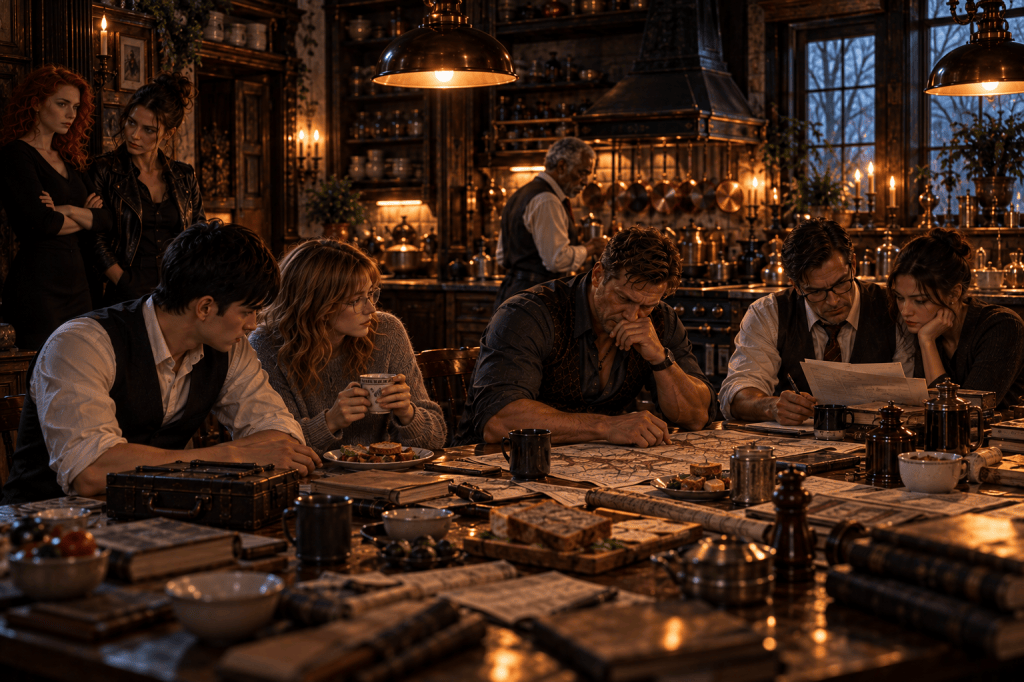
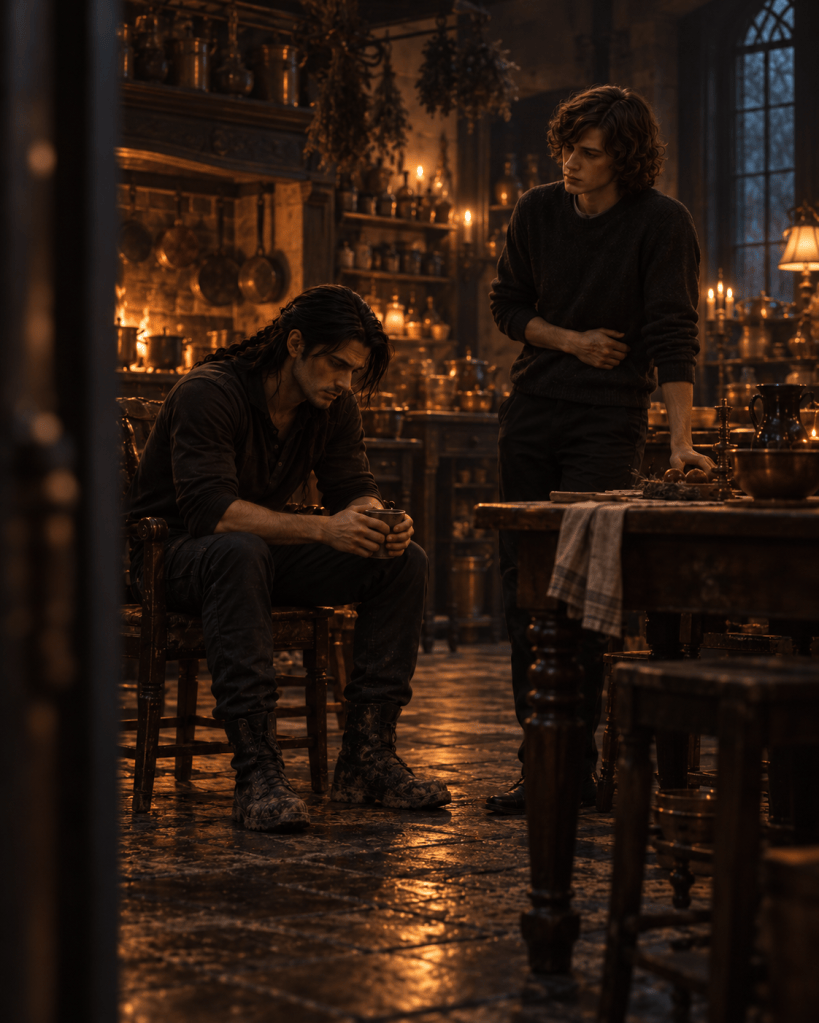
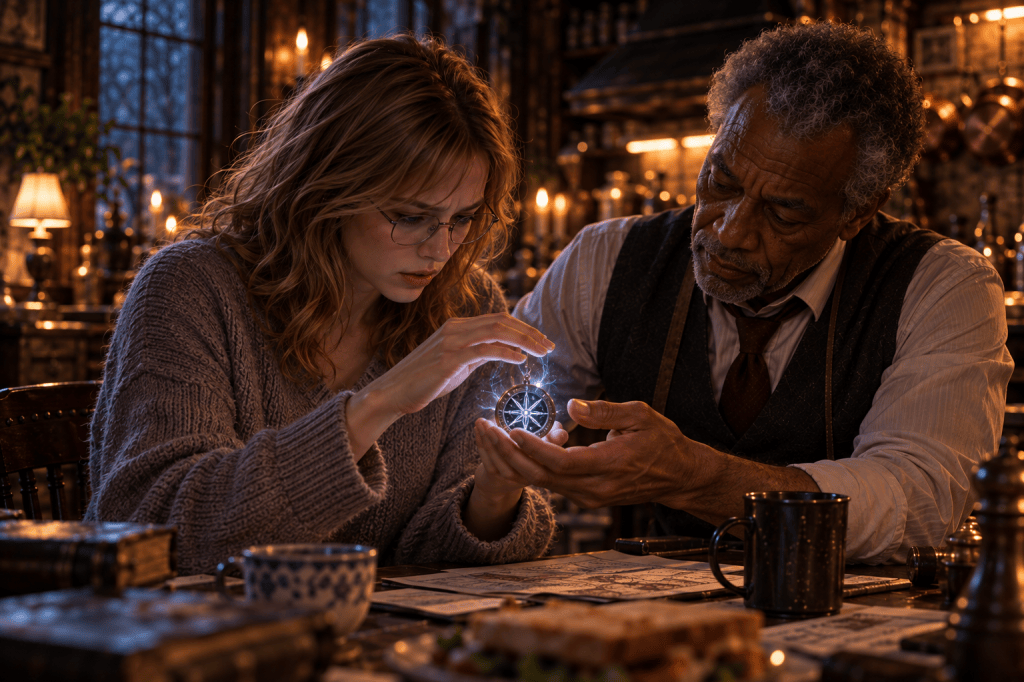
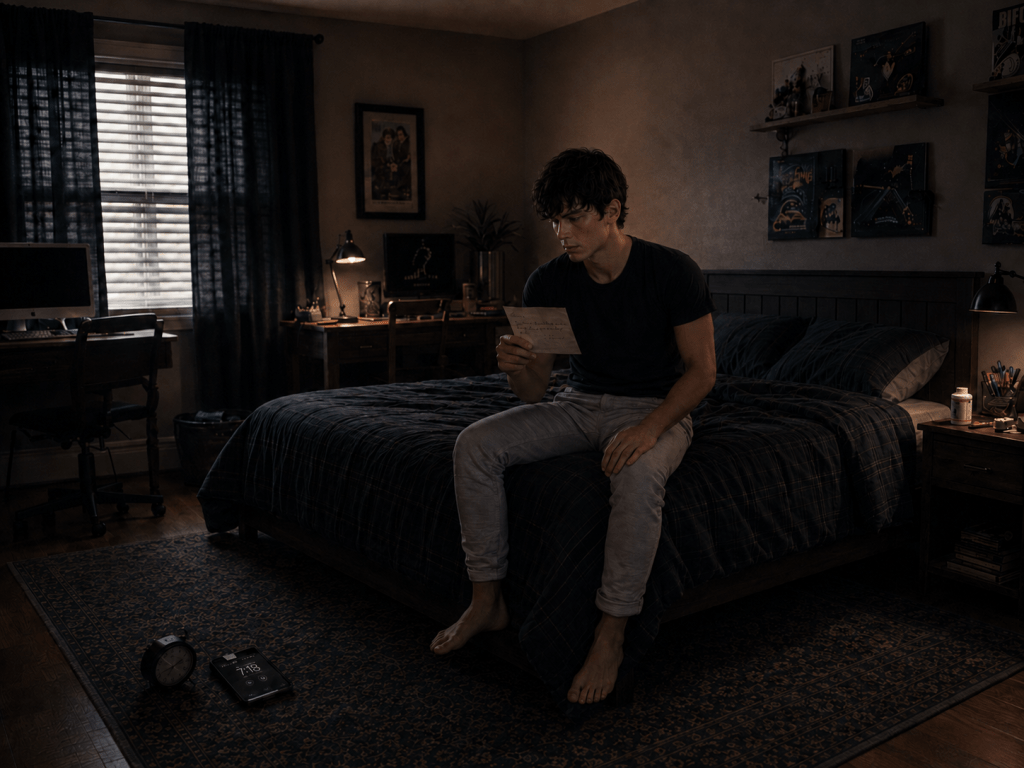
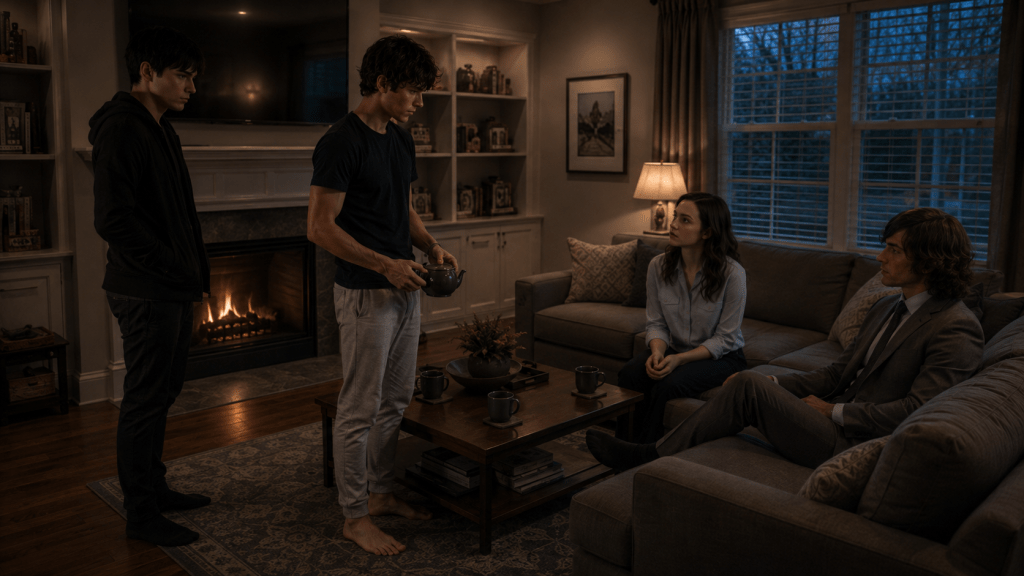
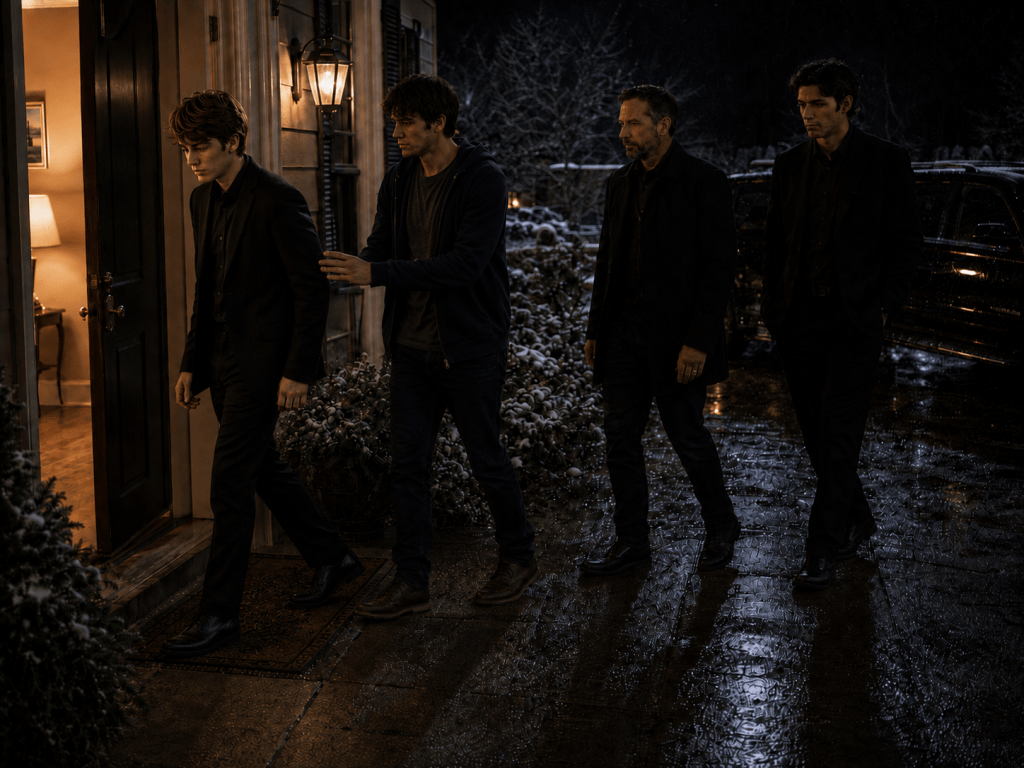
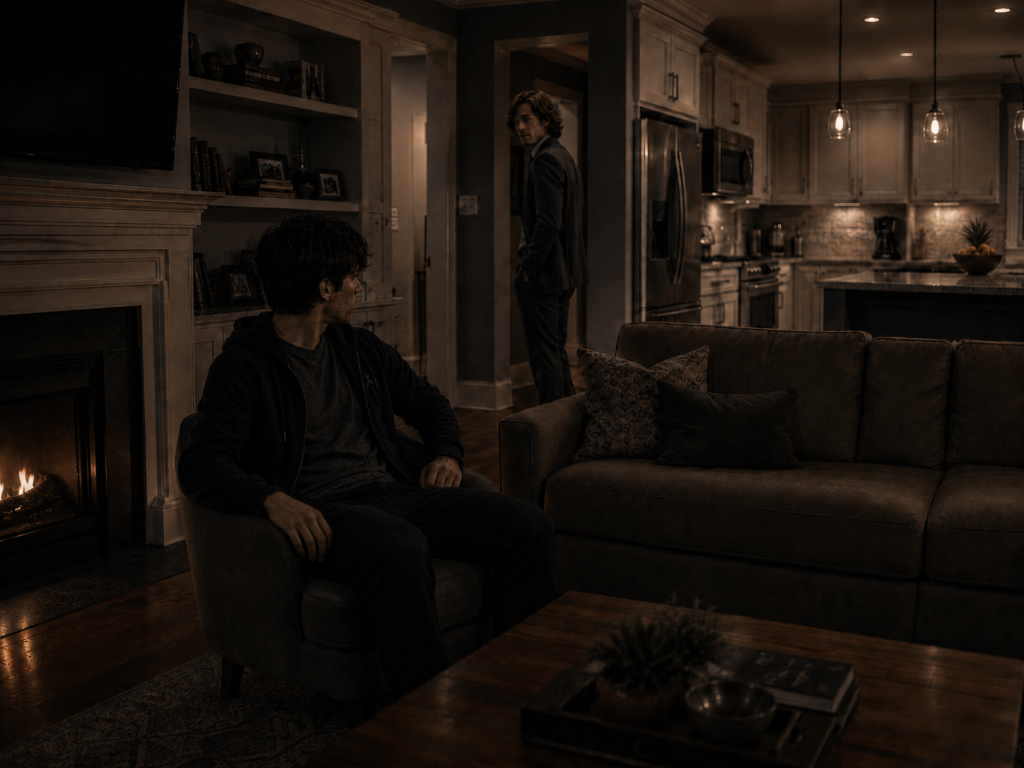
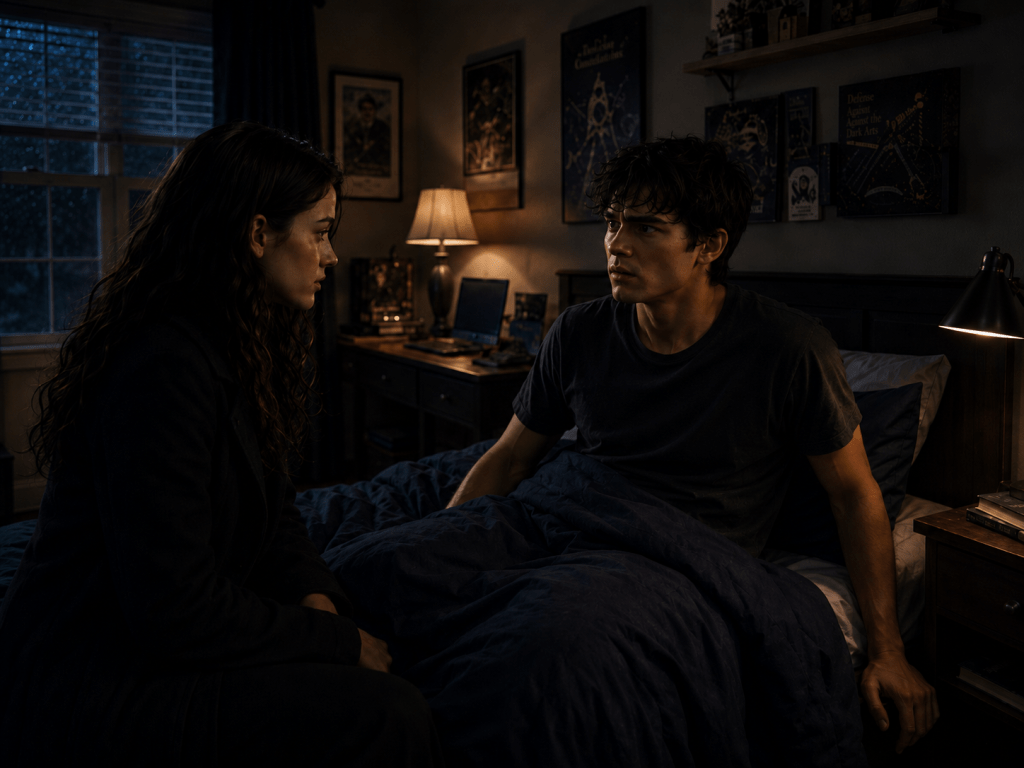
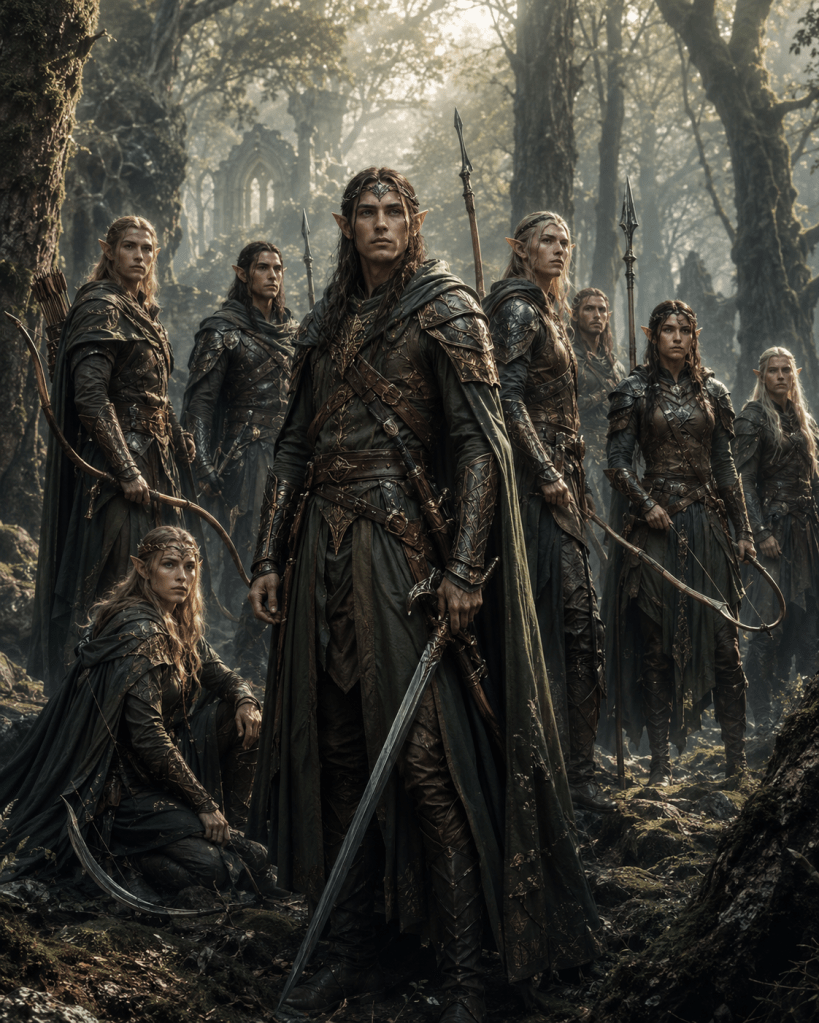
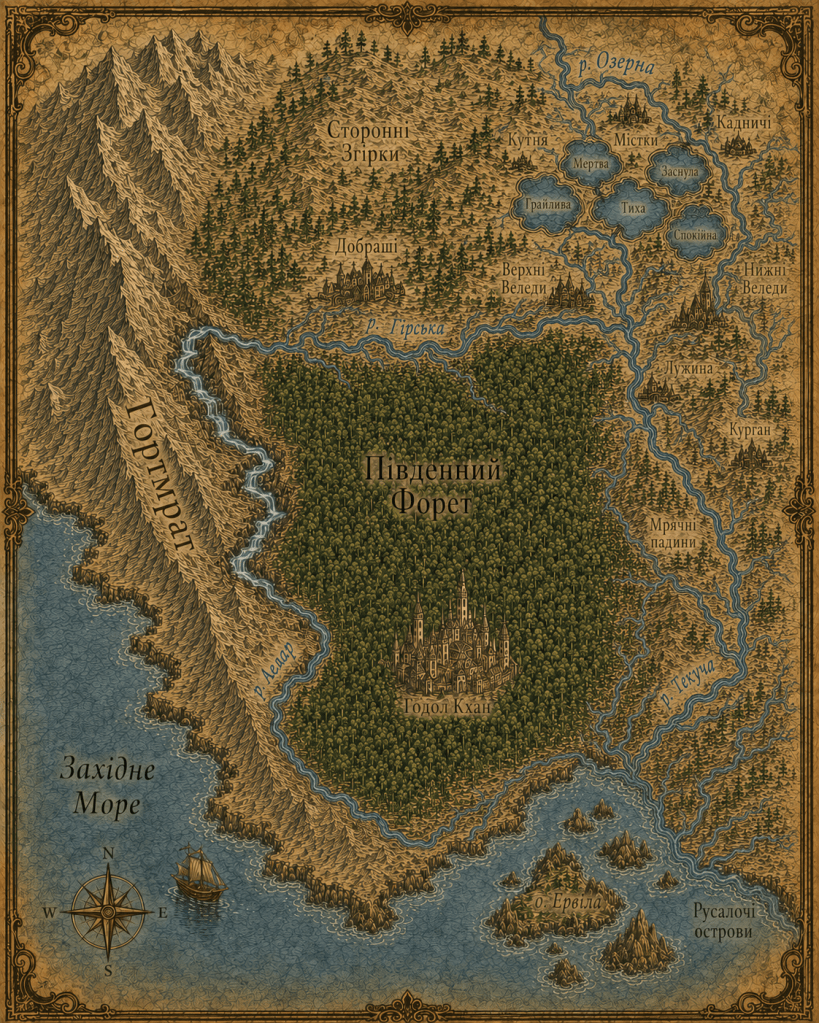
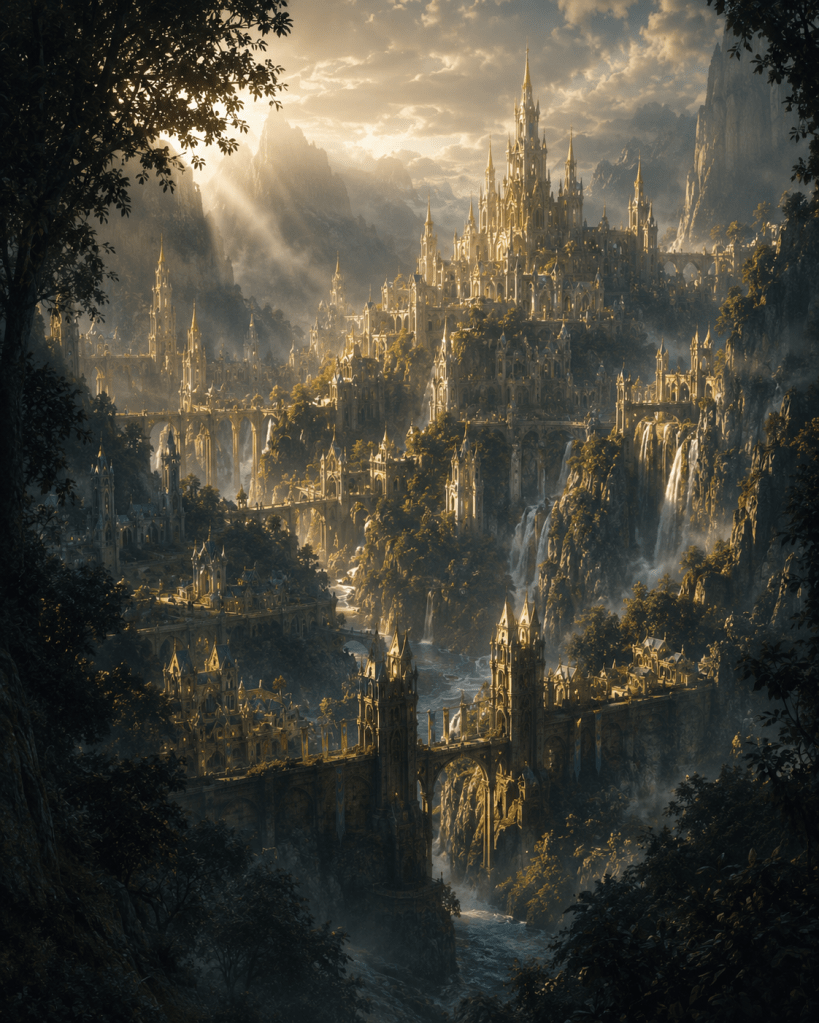
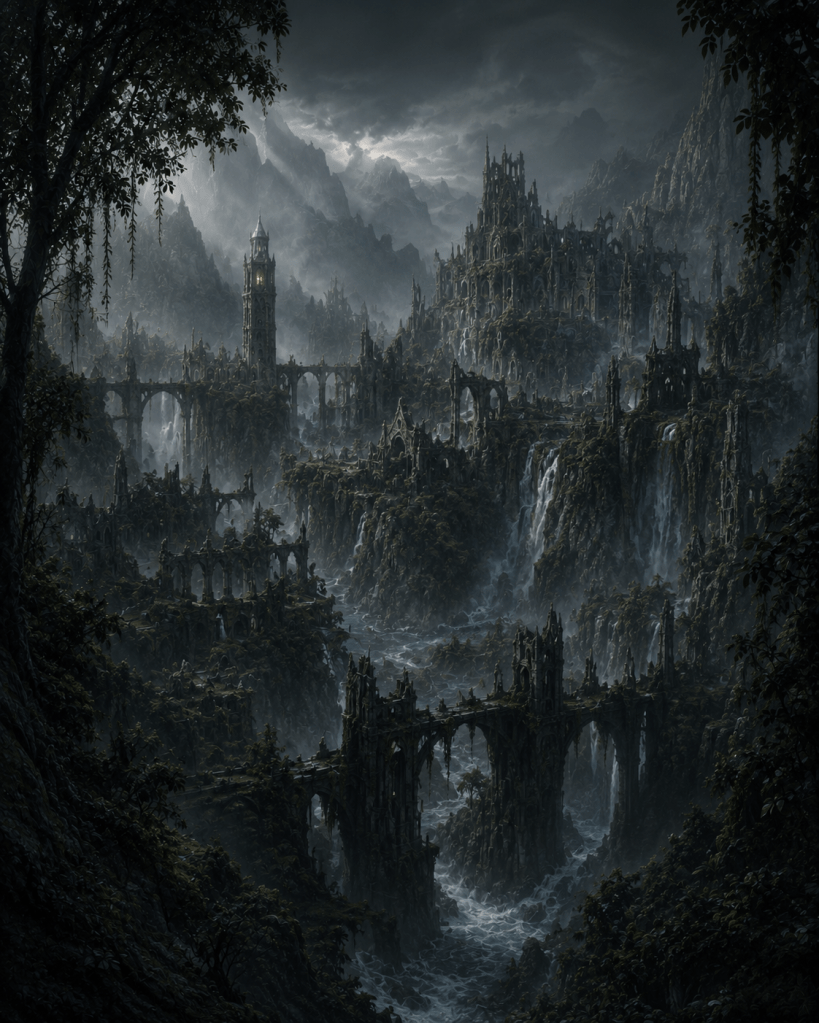
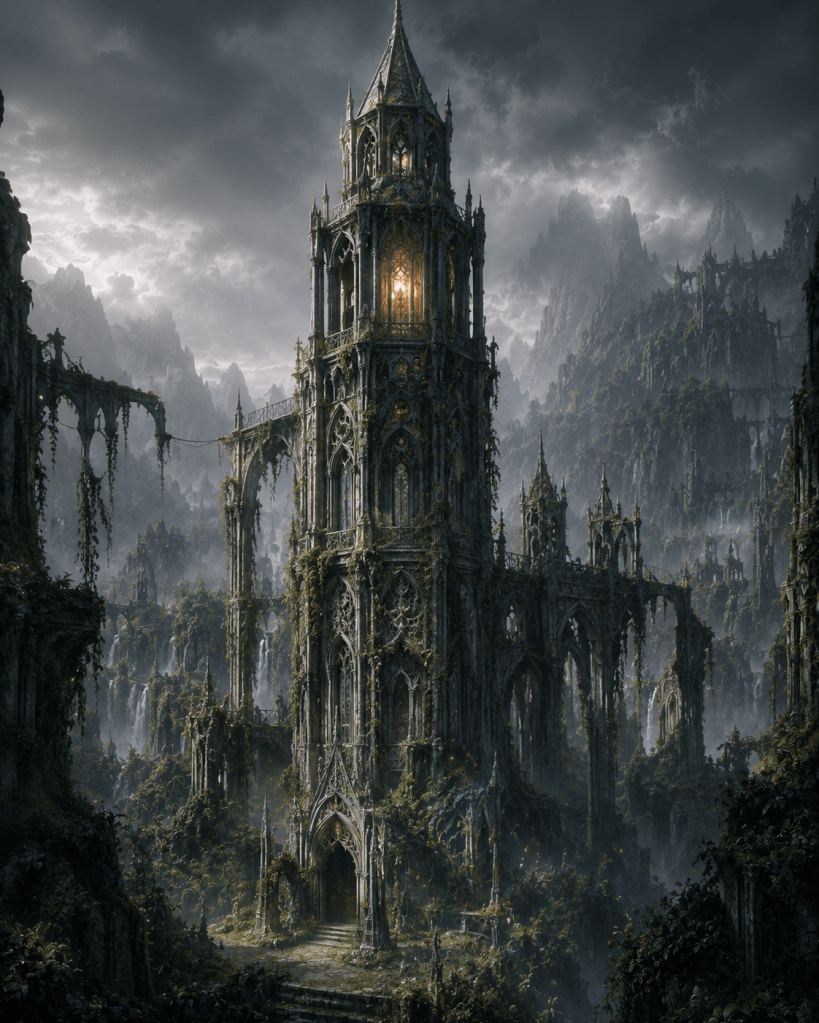
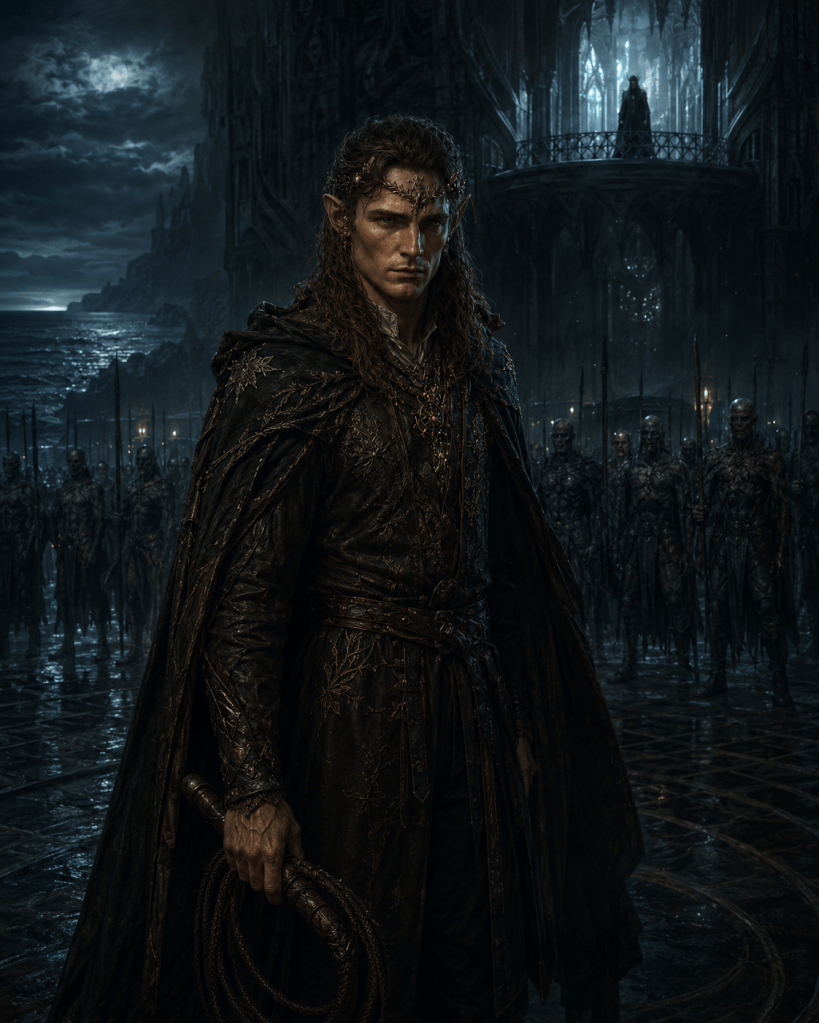
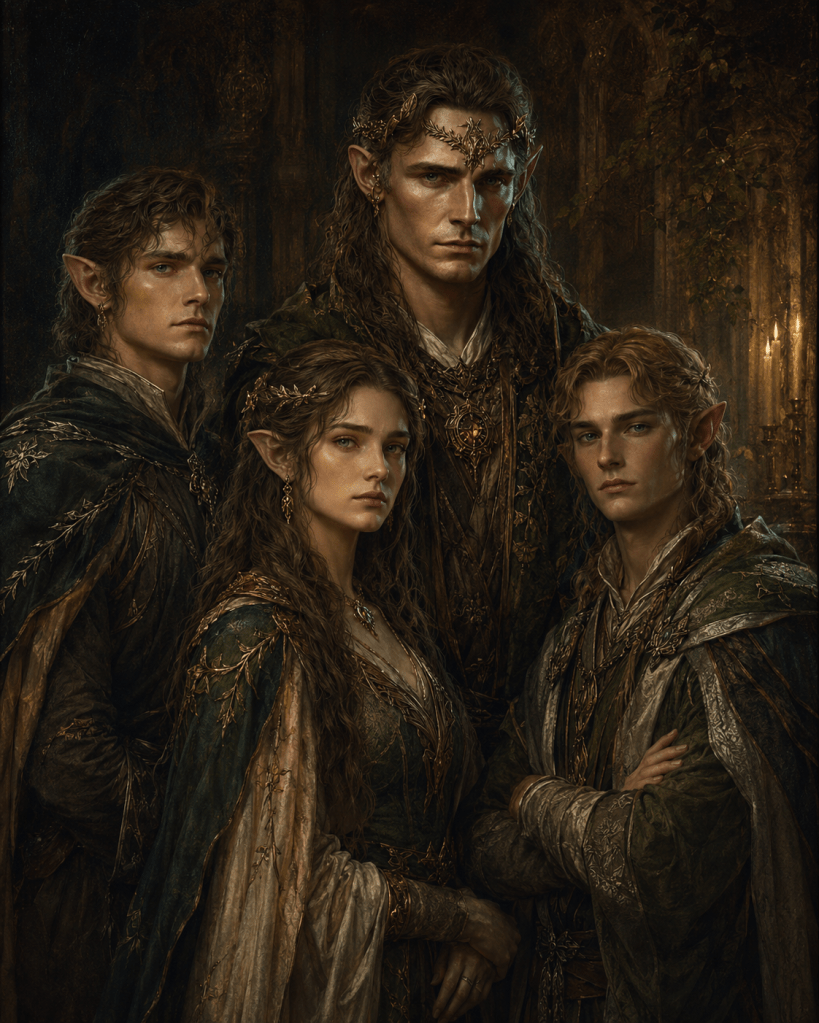
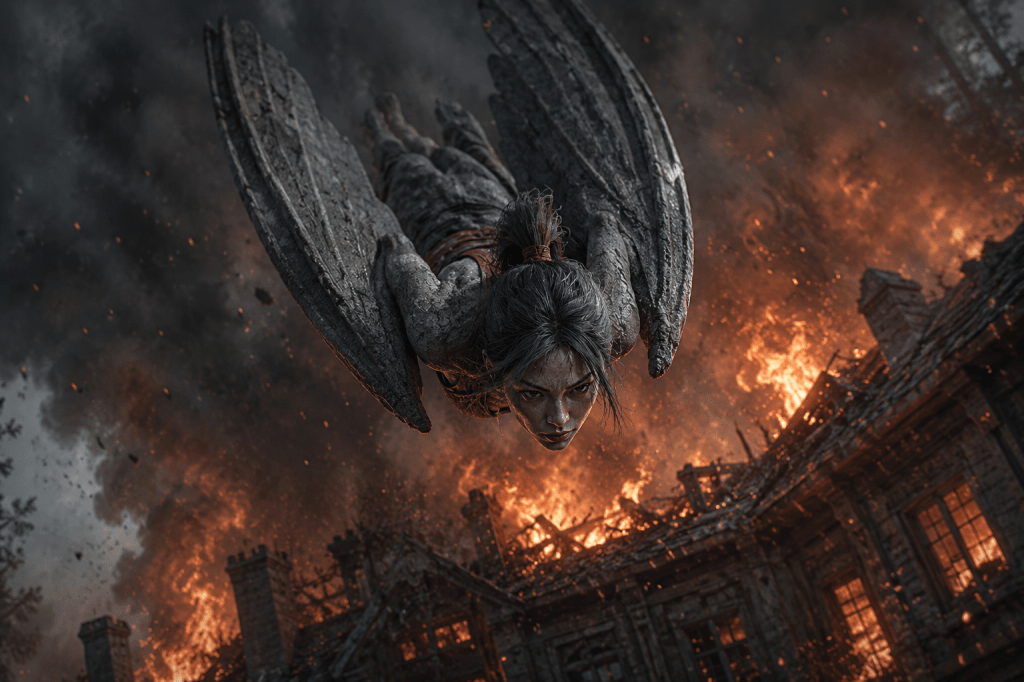
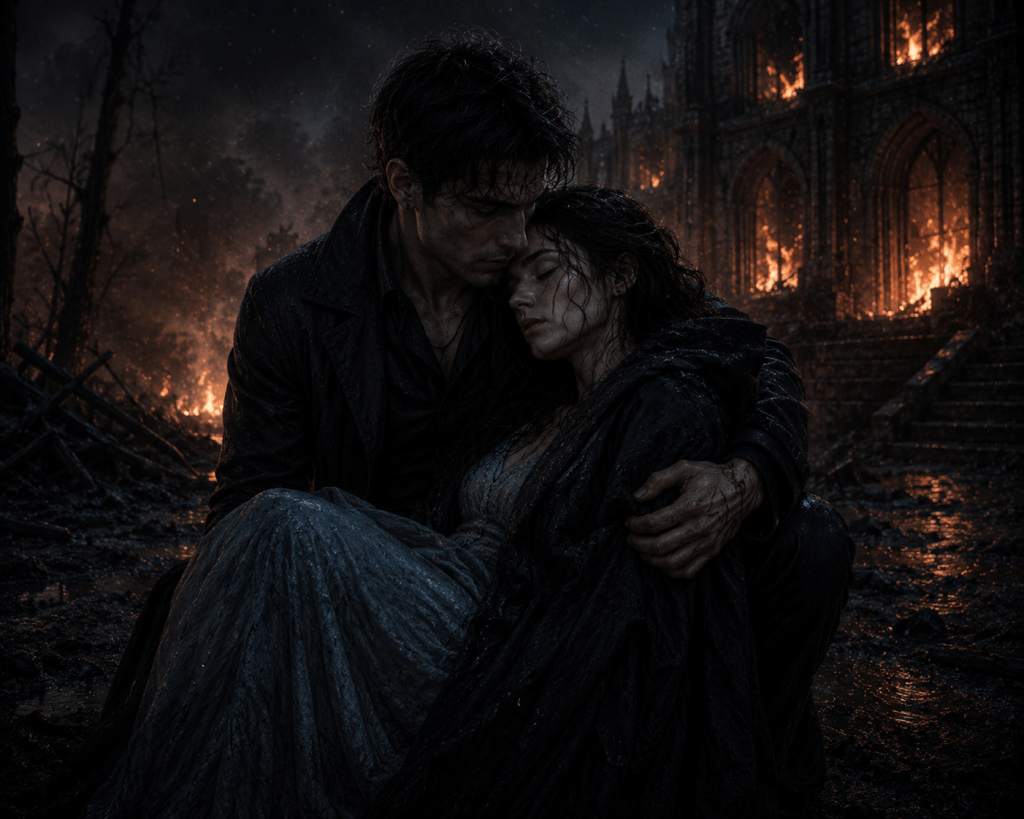
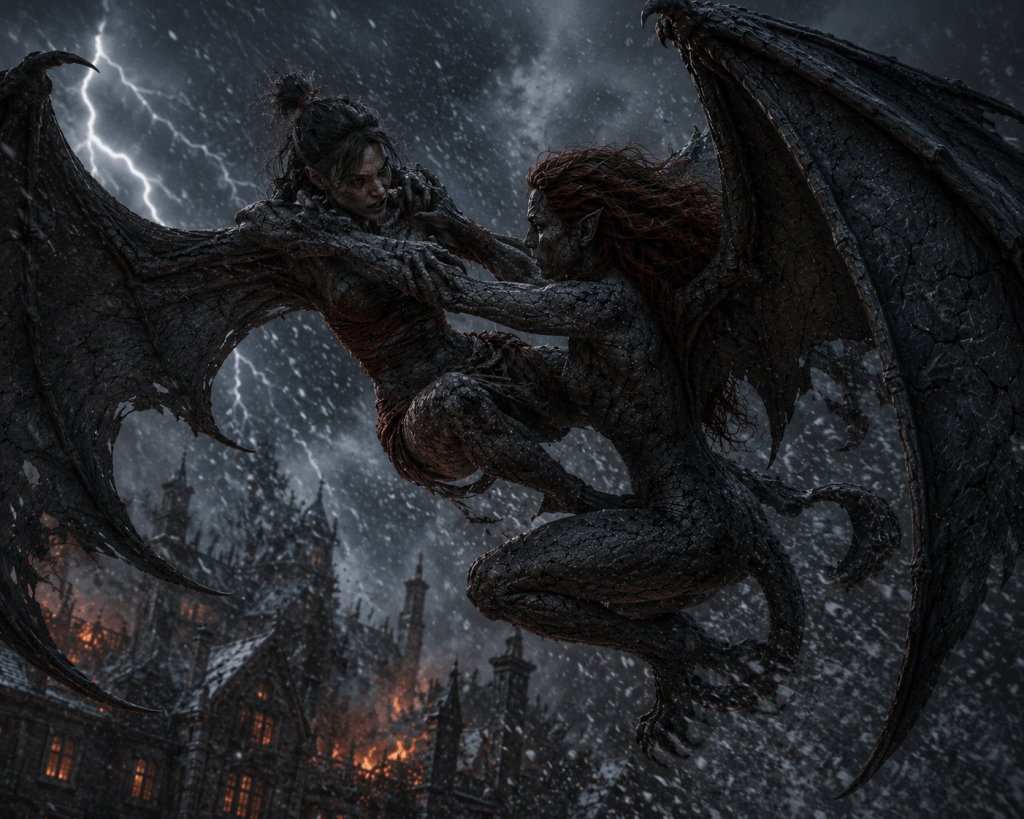
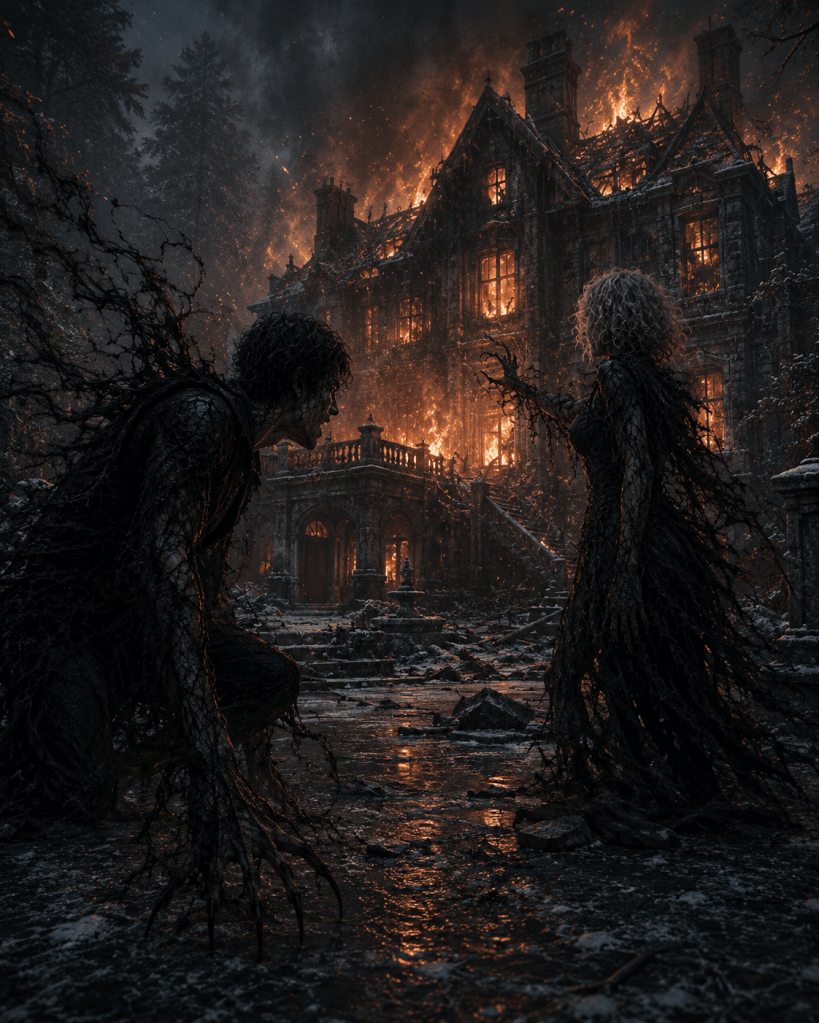
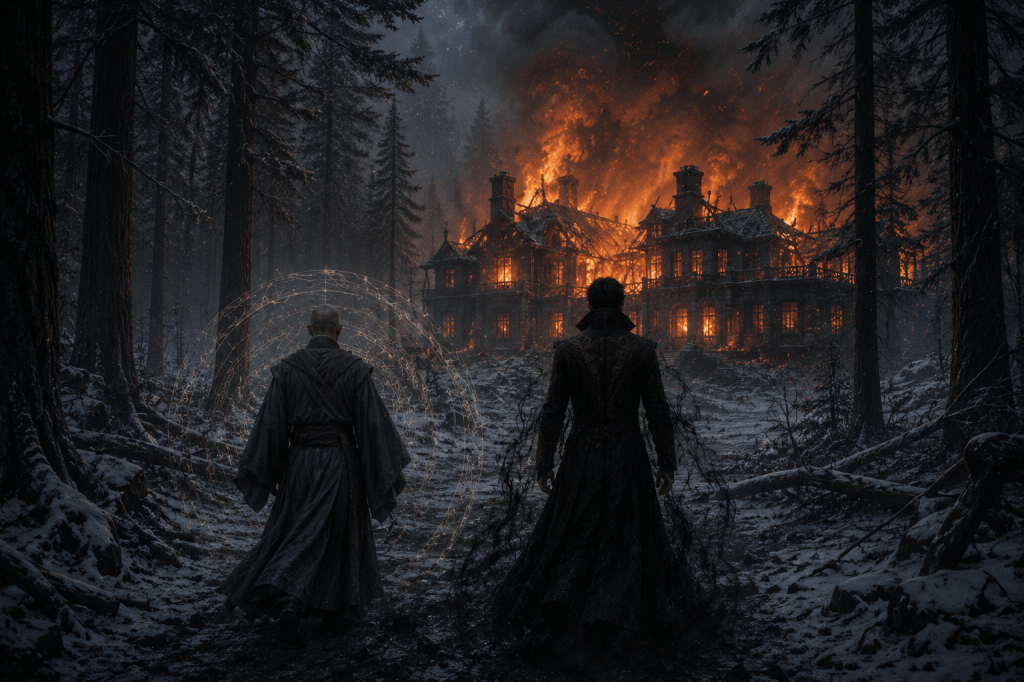
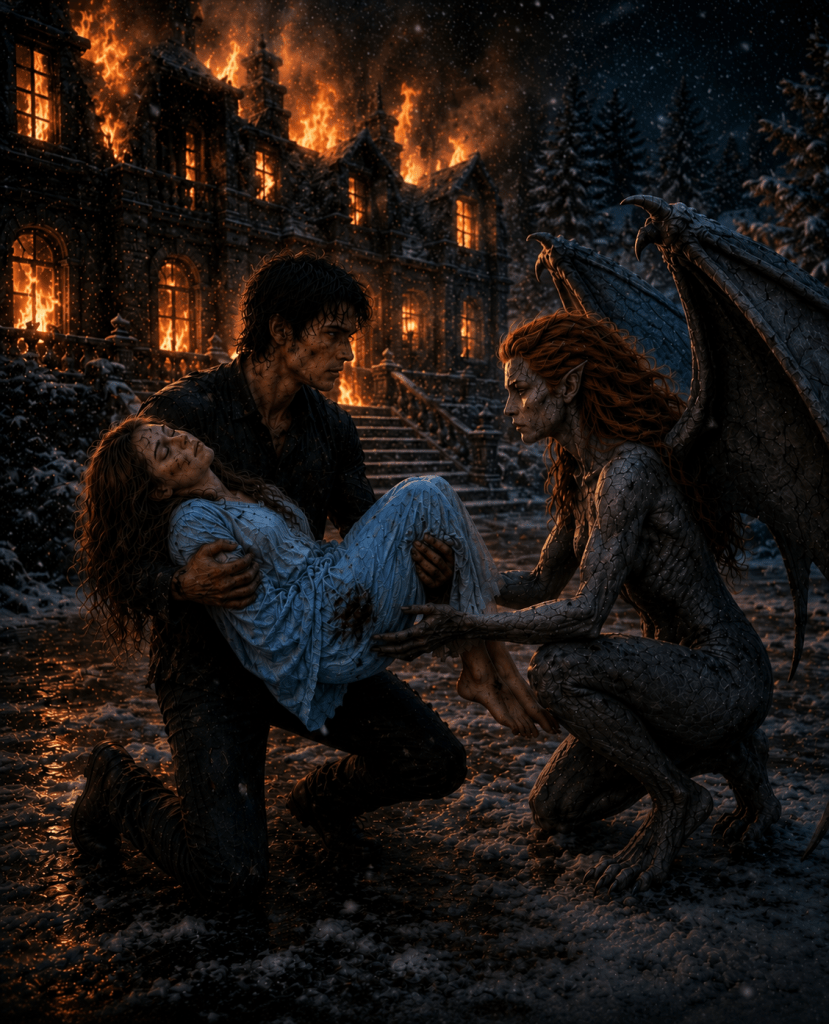
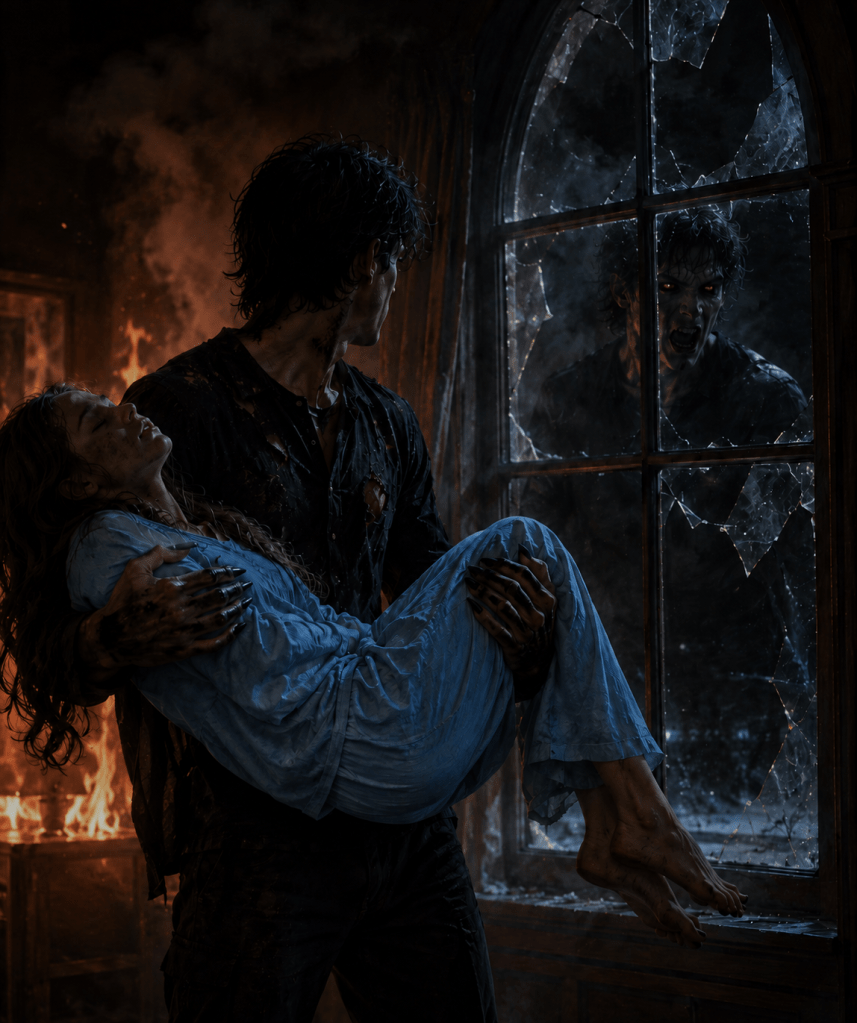
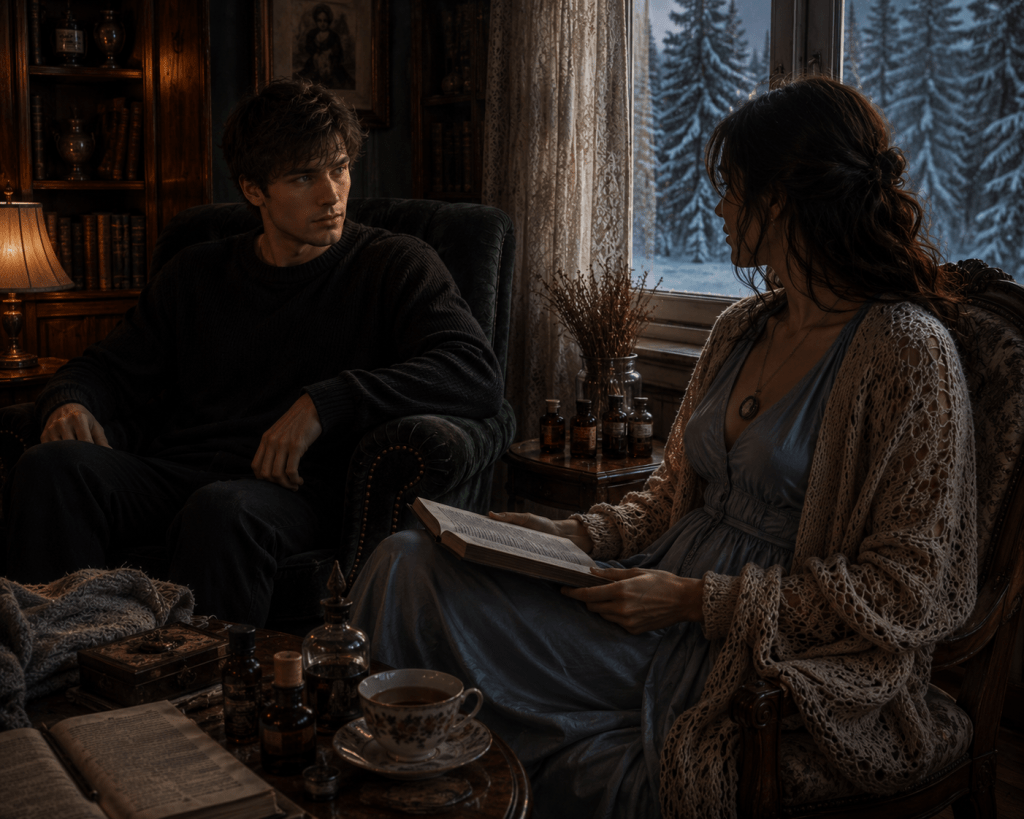
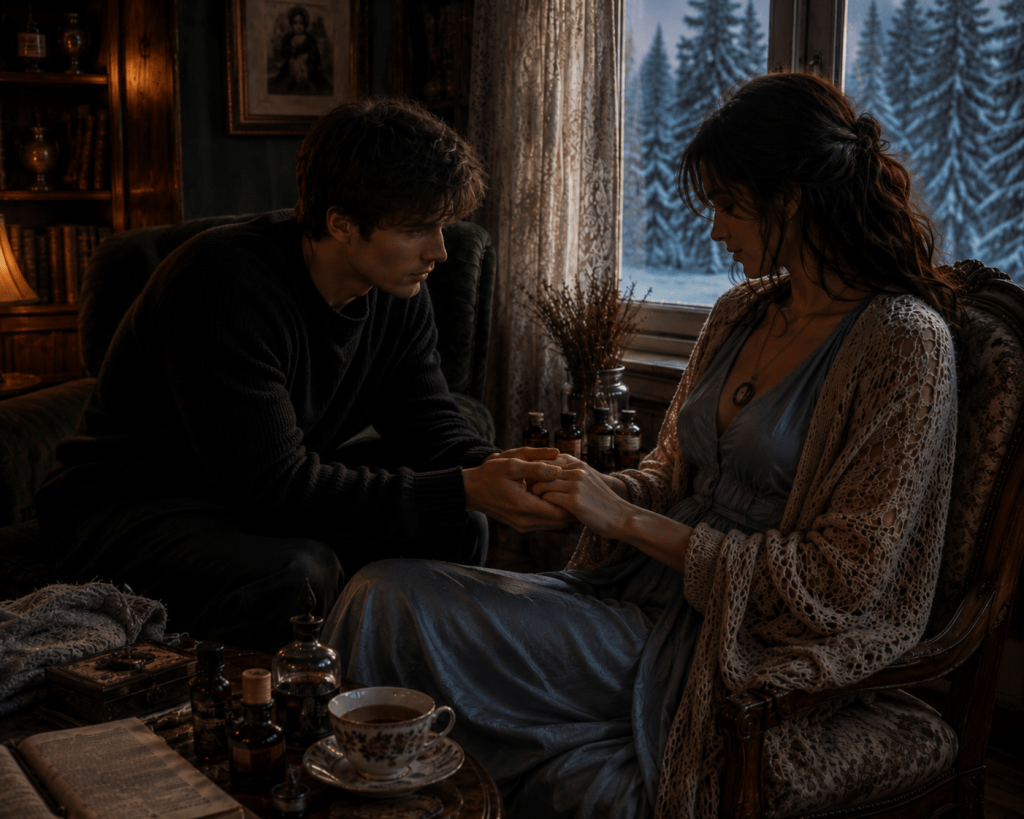
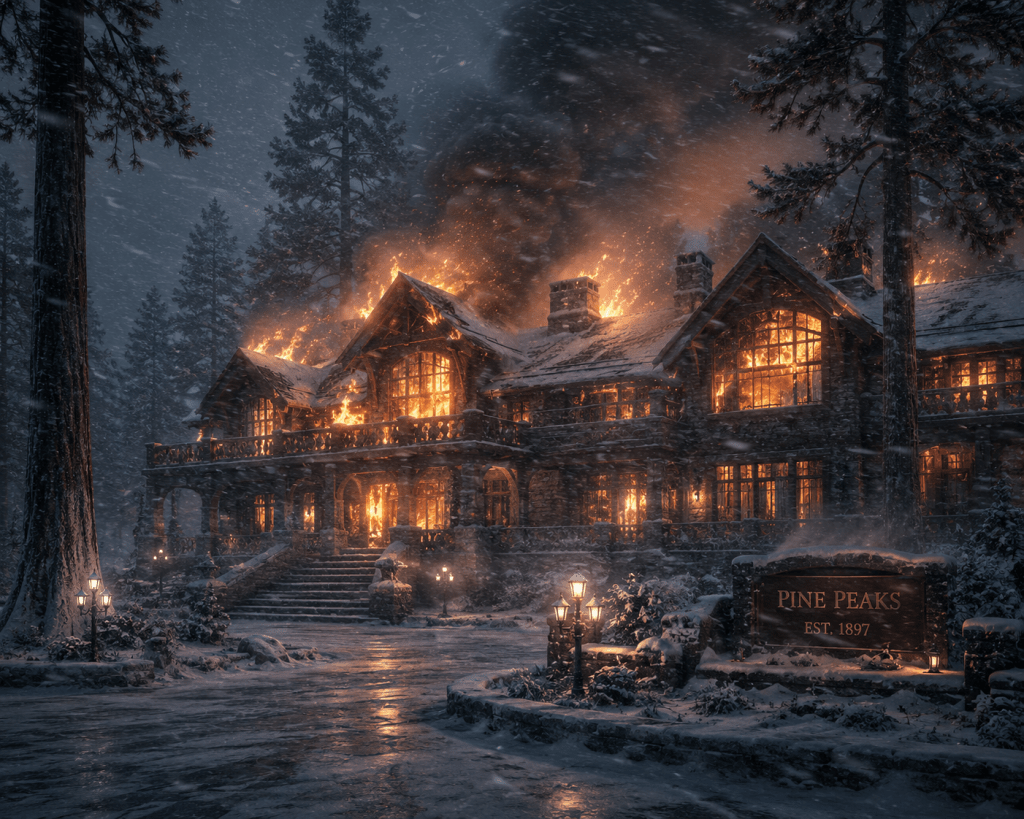
Ironically, the chapter is called “The Return” — and it also marks my own return to editing Drakaine. )) Because honestly, this chapter has given me a hard time over the past month. A lot has happened, and there was a lot that needed to be discussed after the Conclave’s decision.
But I finally got things moving, finished the chapter, and I think I’ve found my way back into the story.
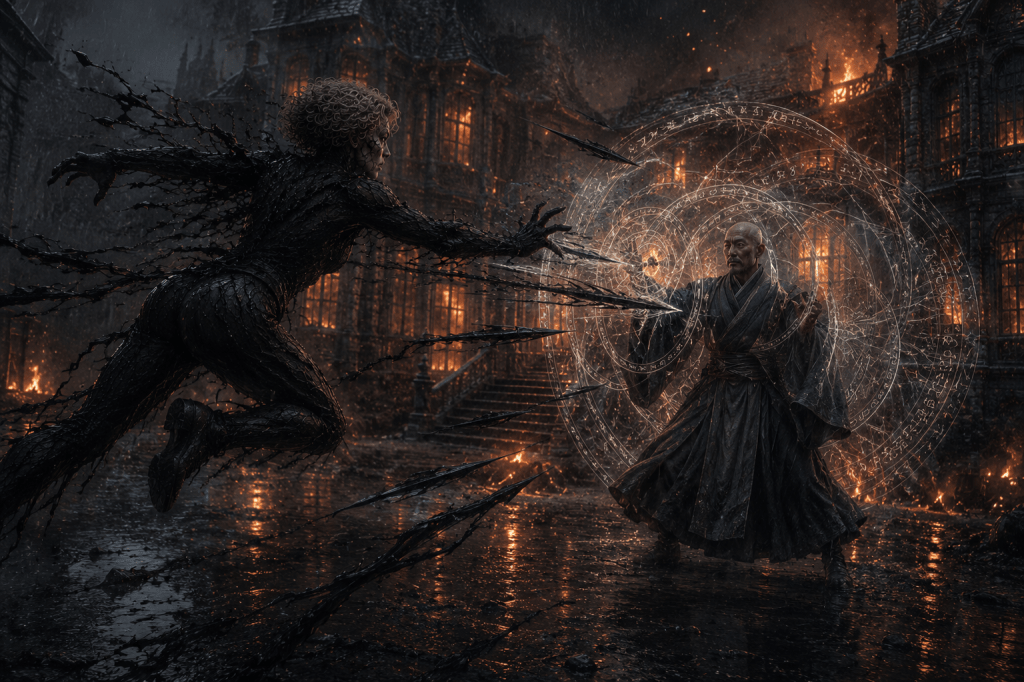
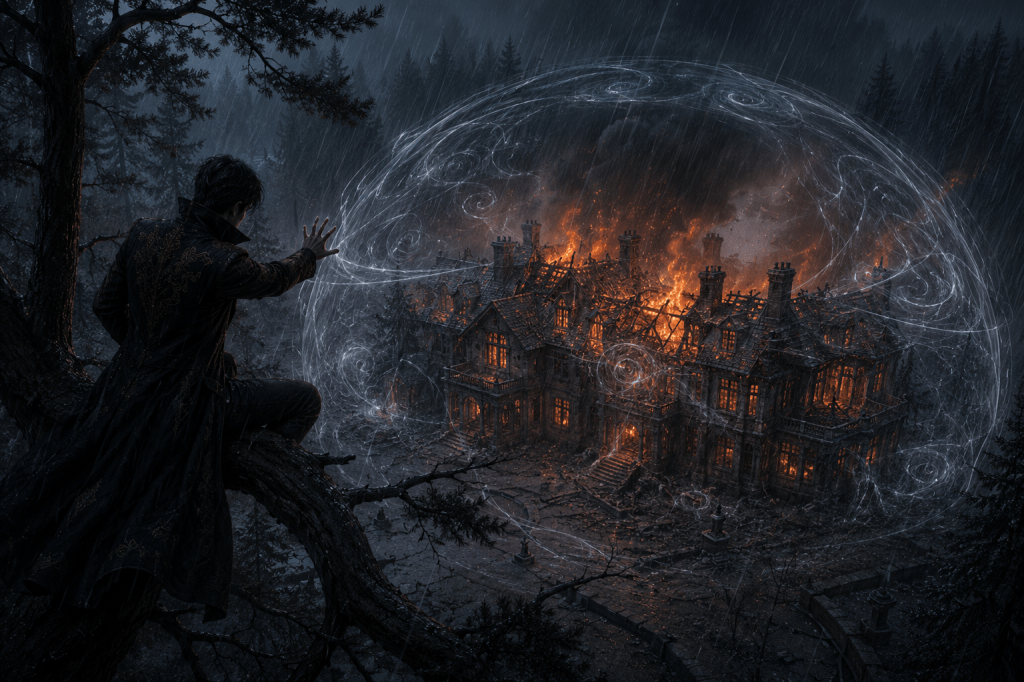
This time, there are almost no major magical adventures. But sooner or later, you have to stop, tend to your wounds, and figure out what comes next.
At least one thing is clear now: there’s no turning back. Our small and extremely mismatched group has finally realized that none of them can handle this alone. They’ll have to join forces — if only to make sure everyone survives until the next chapter. ))
And on top of that, our favorite NOT-Head of the Council of Five, Martin L’Automn, is clearly up to something. Meanwhile, the Bristols finally get a chance to have an honest conversation about some family matters.
And Billy suddenly finds herself with a job she definitely wasn’t expecting. It looks like the Academy of Magical Arts is finally stepping onto the stage.
— You want me to look for the Book. — No, — Hayes cut in. — We want you to look for its trail.
And finally, some of the people we’ve been waiting for are coming back. And perhaps this is exactly the moment when our heroes need everyone on their side.
Because good news is still in painfully short supply. Eleanor still hasn’t regained consciousness, the Conclave is hunting down every former member of the Council of Five, and all that lies ahead is the darkness Typhon and his wife are spreading in their wake.
So… where are we going next?
~~~
Це сталося: новий розділ “Дракайни” готовий!
Іронічно, що розділ має назву “Повернення” – і це водночас моє власне повернення до редагування “Дракайни” )) Бо за останній місяць цей розділ дав мені прикурити, чесне слово. Багато всього трапилося, і багато чого треба було обговорити після рішення Конклаву.
Але нарешті я зрушила з місця, добила розділ, і, здається, знову втягнулася в історію.
Цього разу майже без великих магічних пригод. Але колись треба і заліковувати рани і планувати наступні дії.
Втім, тепер хоча б зрозуміло, що назад дороги вже немає. Наше маленьке, дуже різношерсте товариство осягнуло: поодинці тут ніхто не впорається. Доведеться об’єднуватися, хоча б для того, щоб всі дожили до наступного розділу. ))
До того ж, наш улюблений НЕ-Голова Ради П’яти – Мартін Лютом – щось замислив. В той час, коли Брістоулам нарешті випадає шанс поговорити відверто про сімейні справи.
А ще для Біллі раптом знаходиться робота, якої вона точно не очікувала. І, схоже, Академія Магічних Мистецтв нарешті виходить на сцену.
— Ви хочете, щоб я шукала Книгу. — Ні, — втрутився Хейз. — Ми хочемо, щоб ви шукали її слід.
А ще, дехто з тих, на кого ми давно чекали, нарешті повертається. І, мабуть, це саме той момент, коли нашим героїм особливо потрібні всі свої.
Бо хороших новин тут поки дуже не вистачає. Елінор досі не прийшла до тями, Конклав розшукує всіх колишніх членів Ради П’яти, і попереду тільки темрява, яку сіє Тифон зі своєю дружиною.
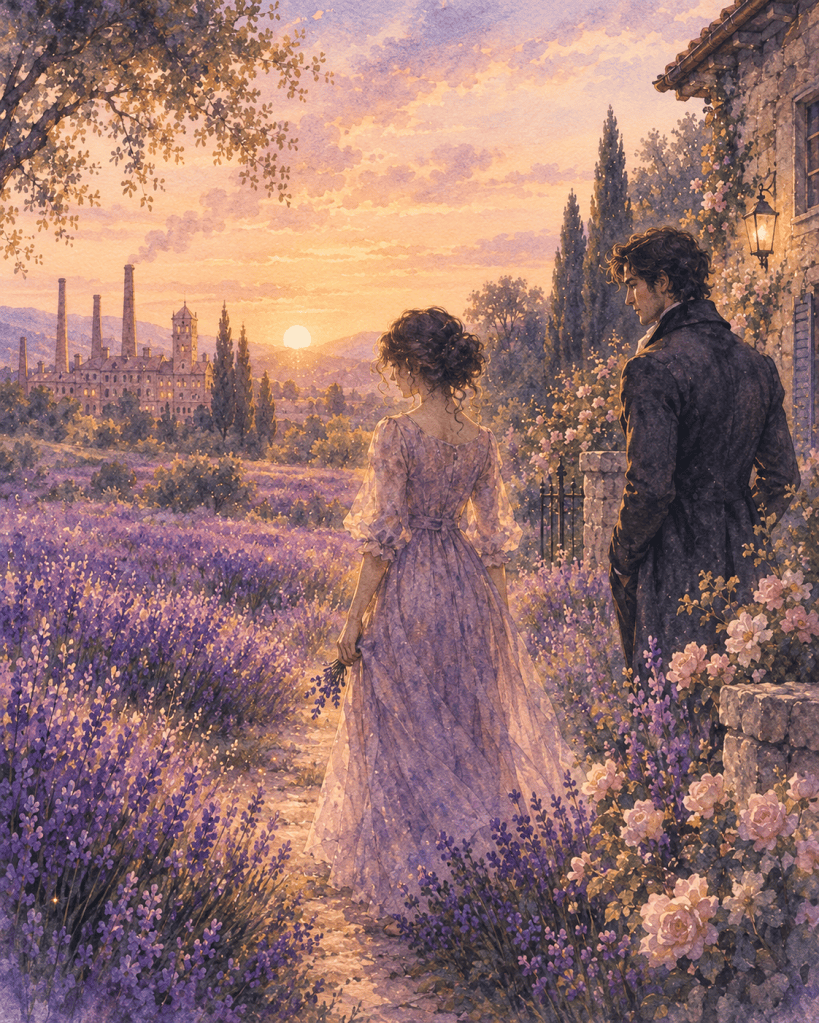
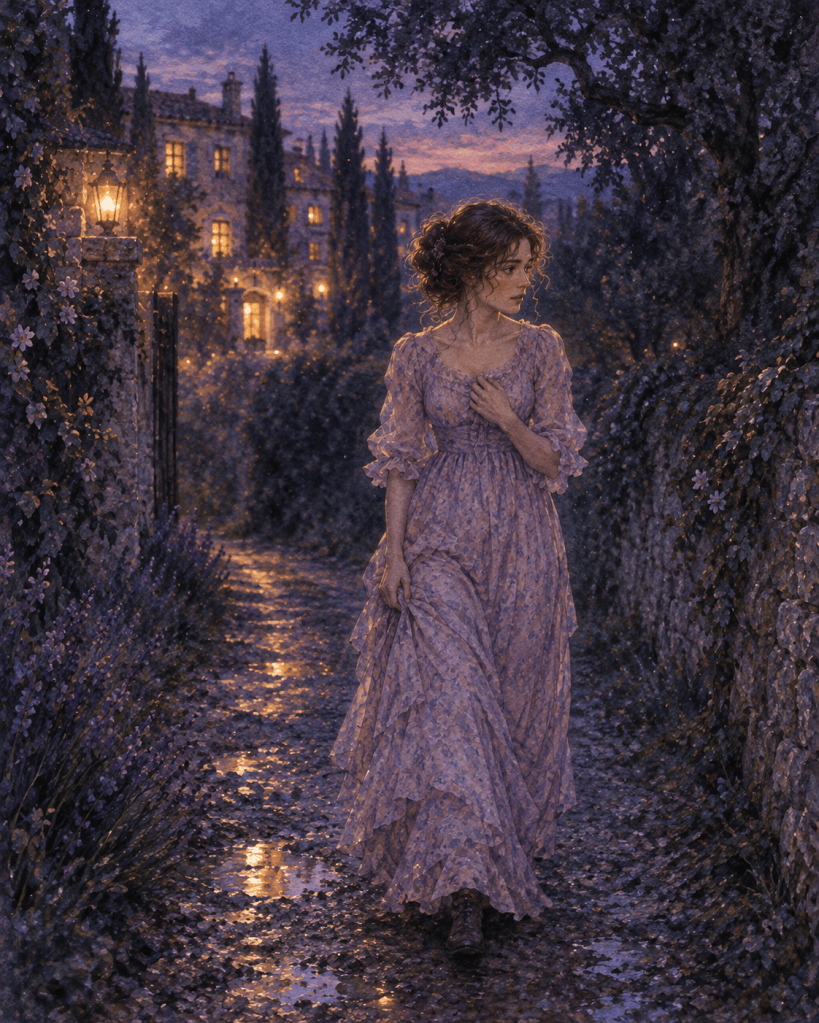
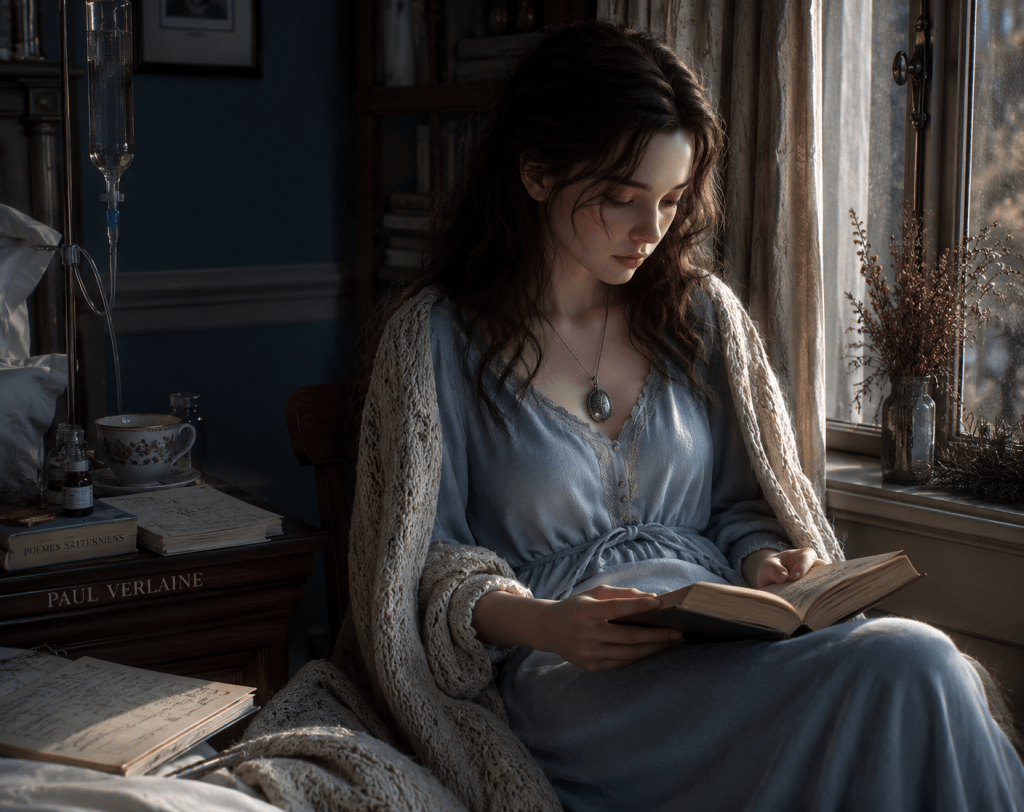
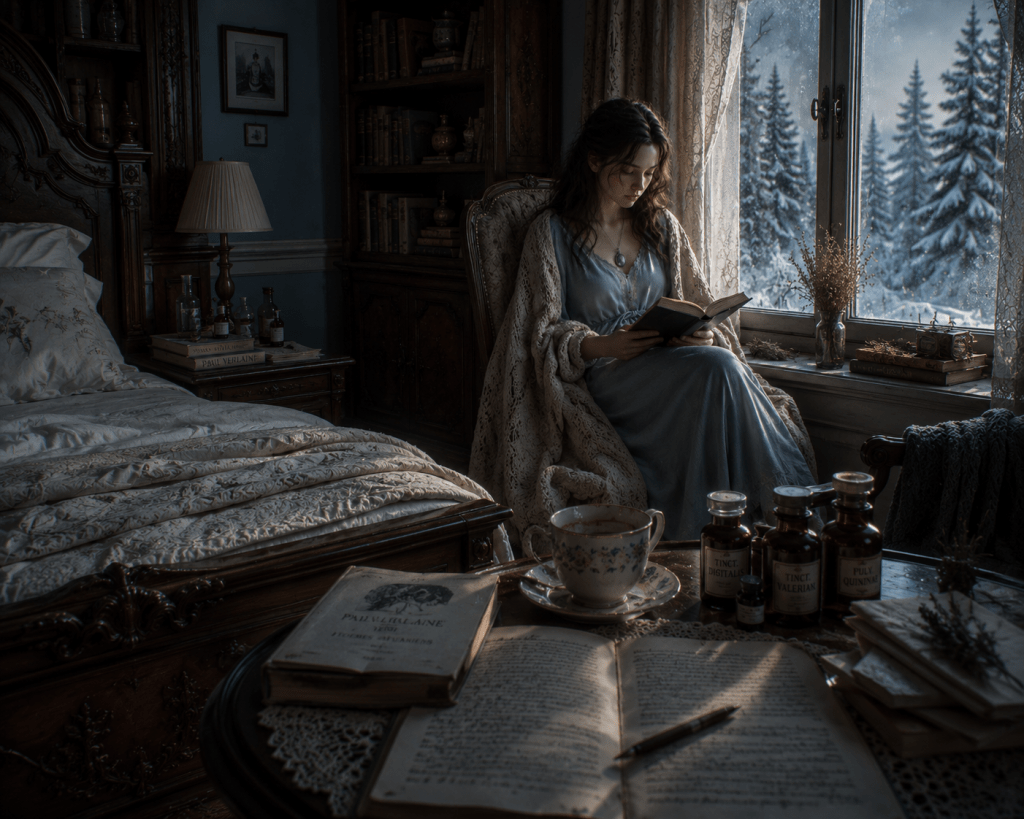
Jane Besford can barely make out faces, cannot read signs from a distance, and learned long ago that sight is not something she can fully rely on. Instead, she recognizes people by their voices, streets by their sounds, and the world around her through hundreds of different scents.
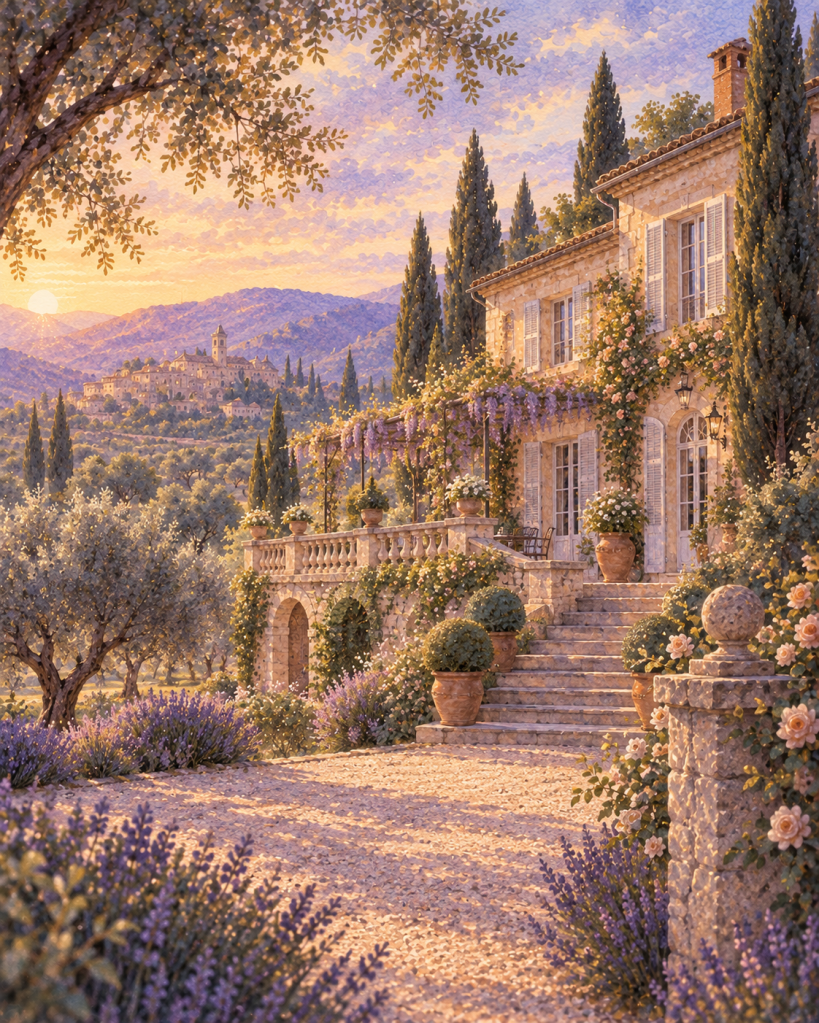
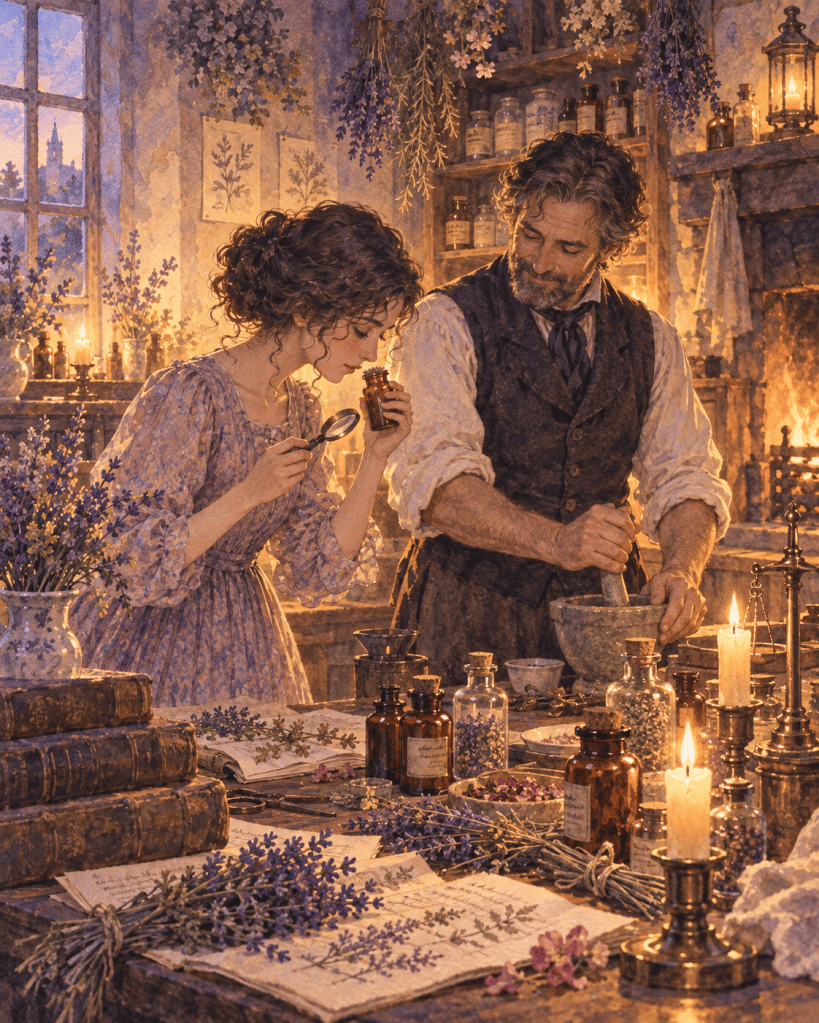
She works beside her physician father, mixes tinctures, finds ways to make bitter medicine a little easier to take, collects plants, and dreams of one day experiencing the lavender fields of Provence.
And then the life she knows falls apart.
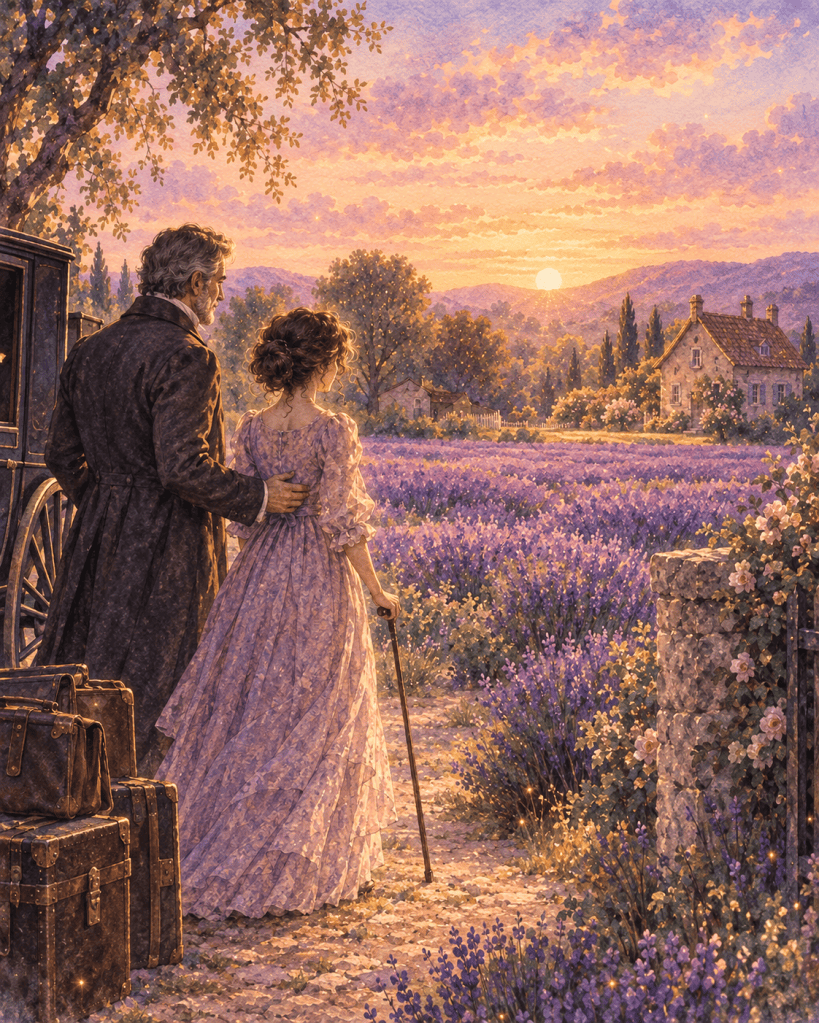
Jane is forced to leave England and travel to the south of France, where an almost unfamiliar relative has offered her family a place to stay.
She believes she is going there simply to begin again.
Provence has other plans.
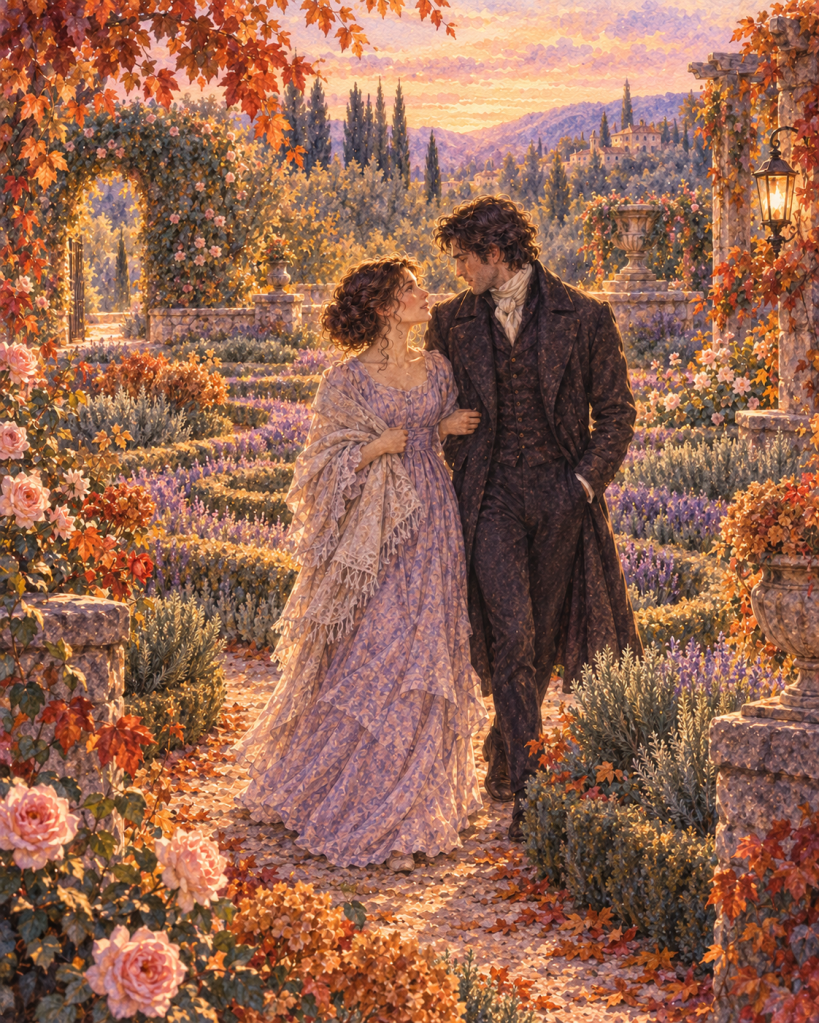
A new home. New work. People who slowly become family. A perfume factory where scent is treated almost like a science. And one man whose dark-rose fragrance Jane recognizes long before she can properly see his face.
It is a story about discovering how much can still be seen when you stop measuring the world only with your eyes.
About finding home far away from the place where you were born. About a love story that does not begin with a glance. And about a life that can bloom again after the moment when everything seems to have been lost.
Maybe that is why I love Jane so much. She never waits for someone else to rescue her story. She simply keeps moving forward — even when she can barely see the road ahead. 🌿
~~~
А що, як світ можна бачити не очима?
Джейн Бесфорд майже не розрізняє облич, не читає вивісок здалеку й давно навчилася не довіряти зору. Зате вона знає людей за голосами, вулиці — за звуками, а світ навколо неї складається із сотень ароматів.
Вона працює разом із батьком-лікарем, змішує настоянки, вигадує, як зробити гіркі ліки трохи приємнішими, збирає рослини й мріє колись побачити лавандові поля Провансу.
А потім їхнє звичне життя руйнується.
Джейн доводиться залишити Англію та вирушити до майже незнайомої родички на південь Франції.
Вона думає, що їде туди лише для того, щоб почати все спочатку.
Але Прованс приносить їй набагато більше.
Новий дім. Нову роботу. Людей, які поступово стають близькими. Парфумерну фабрику, де запахи перетворюються на справжню науку. І одного чоловіка, чий аромат темної троянди вона впізнає раніше, ніж зможе розгледіти його обличчя.
“Квіти в темряві” — це історія не стільки про втрату зору, скільки про те, скільки всього можна побачити, коли перестаєш вимірювати світ лише очима.
Про дім, який іноді знаходиться далеко від місця, де ти народився. Про любов, що починається не з погляду. І про життя, яке може розквітнути навіть після моменту, коли здається, що все вже втрачено.
І, мабуть, саме тому я так люблю Джейн. Вона не чекає, поки хтось врятує її історію. Вона просто продовжує йти — навіть коли дороги майже не видно. 🌿
There are characters whose stories we learn right away. Their conflicts, problems, arguments, and pain are all there on the surface.
And then there are Martin and Lilith.
Their story remains outside our view for a long time. We see only fragments of it: an old resentment, a silence that has lasted far too long between two people.
Martin and Lilith have known each other for a very long time. Long enough for several human lifetimes to fit inside a single memory. But somewhere in their past lies a decision that can no longer be changed. One of them was convinced there was only one possible choice. The other had to live with the consequences of that choice.
Many years have passed, but time, as it turns out, does not always make things easier. It can dull the pain, teach us how to live beside it, and even convince us that everything has long since been left behind. And yet some feelings prove far more stubborn.
Especially when they concern someone you probably should have stopped loving a long time ago.
Sometimes we want what we can no longer get back. And sometimes we keep wanting something we feel we no longer have the right to ask for.
I really love that Martin and Lilith have a story of their own. It never quite takes center stage, but that does not make it any less important.
In the third and final part of the trilogy, Drakaine, their story will have its own resolution too. A great deal of time has passed, and yet neither of them has managed to forget the other.
Will they finally be able to make peace with each other?
Є персонажі, історію яких ми дізнаємося одразу. Конфлікти, проблеми, суперечки, біль. Все на поверхні.
А є Мартін і Ліліт.
Їх історія довго залишається поза нашими очима. Ми бачимо лише окремі їхні уламки і бачимо стару образу, надто довге мовчання між двома людьми.
Мартін і Ліліт знають одне одного вже дуже давно. Настільки давно, що кілька людських життів для них могли б уміститися лише в одному спогаді. Але у їхньому минулому залишилося рішення, яке вже неможливо змінити. Один із них був переконаний, що робить єдино можливий вибір. Іншому довелося жити з наслідками цього вибору.
Минуло багато років, але час, як виявилося, не завжди робить речі простішими. Він може приглушити біль, навчити жити поруч із ним і навіть переконати нас, що все давно залишилося позаду. Проте деякі почуття виявляються значно впертішими.
Особливо тоді, коли йдеться про людину, яку, можливо, варто було б давно перестати любити. Часом ми хочемо того, чого вже не можемо повернути. А часом продовжуємо хотіти того, на що, як нам здається, більше не маємо права.
І мені дуже подобається, що історія Мартіна й Ліліт існує. Вона не опиняється в центрі уваги читача, але від цього не стає менш важливою.
В третій і завершальній частині трилогії, Дракайні, їхня історія теж матиме свою розв’язку. Минуло багато часу, а забути одне одного вони так і не змогли.
Останнім часом я дедалі частіше помічаю, як навчання в Toronto Film School впливає на мене не лише як на сценаристку, а й як на авторку книжок.
Сценаристика вчить дивитися на історію трохи інакше: бачити сцену, відчувати її ритм, прибирати зайве й думати не лише про те, що відбувається, а й про те, як це показати. Через це я стала уважніше працювати з діалогами, рухом персонажів, напругою та деталями, здатними розповісти більше за довгі пояснення.
Звісно, роман і сценарій це різні форми. У книжці можна зануритися в відчуття героя, затриматися на атмосфері, дозволити собі більше. Але сценарний досвід постійно нагадує мені: кожна сцена повинна мати мету, щось змінювати й вести історію вперед.
А ось я робила візуали до “Хімери”, “Дракайни” та інших своїх проєктів, і раптом особливо чітко зрозуміла: я справді бачу ці історії як кіно. Не просто окремі красиві картинки, а цілі сцени – з рухом, світлом, музикою, паузами й поглядами персонажів.
І тепер дедалі частіше думаю: а може, варто поступово перетворювати їх і на сценарії? Дуже можливо, що колись так і станеться 😄
Тож навчання сценаристики стало для мене не окремим напрямом, а ще одним способом краще розуміти власні історії. І, здається, книжки та кіно в моїй голові вже давно живуть зовсім поруч. 🎬📖
~~~
How Screenwriting Is Changing the Way I Write
Lately, I’ve been noticing more and more how studying at Toronto Film School influences me not only as a screenwriter, but also as a novelist.
Screenwriting teaches you to look at a story differently: to see the scene, feel its rhythm, remove anything unnecessary, and think not only about what is happening, but also about how to show it. Because of that, I’ve become more attentive to dialogue, character movement, tension, and the small details that can reveal more than lengthy explanations.
Of course, novels and screenplays are very different forms of storytelling. In a book, you can explore a character’s inner experience, linger in the atmosphere, and allow yourself more space. But screenwriting constantly reminds me that every scene should have a purpose, change something, and move the story forward.
Recently, while creating visuals for Chimera, Drakaine, and some of my other projects, I suddenly realized something very clearly: I truly see these stories as films. Not simply as a collection of beautiful images, but as complete scenes—with movement, lighting, music, pauses, and meaningful glances between the characters.
And now I keep wondering: perhaps I should gradually turn some of them into screenplays as well? It is entirely possible that one day I will. 😄
So, for me, studying screenwriting has not become a separate creative path. Instead, it has become another way to understand my own stories more deeply. And it seems that books and cinema have been living side by side in my imagination for quite some time already. 🎬📖
We have already spoken about the Eidasu, descendants of Ewa’s middle son who sought to reclaim their lost greatness, and about the Sainna, who learned to live without a united kingdom after the destruction of Godol Khan.
Only the third and eldest branch of Ewa’s children remains.
Oraolё
A people of northern forests, mountain fortresses, dragons, and cities hidden from the rest of the Continent. To others, their lives seemed almost like something from a fairy tale.
Their lands stretched from snow-covered mountain peaks to fertile valleys. Between the Eastern and Sea Gorts lay the rich land of D’Alva, a region of endless summer, green gardens, and abundant harvests.
Very soon, we will travel to one of their hidden cities, where the story of The Nightingales of Lavelen begins.
This time, however, our focus will not be only on the history of a people, but also on the child destined to inherit their crown.
Ain Valaberg, the only son of the last king of Lavelen.
The Eldest Branch of Ewa’s Children
The ancestor of the Oraolё was Alan, the eldest of the three sons of Ewa and Irn. After the brothers descended to the earth, he became the guardian of the northern lands and settled among forests, cold lakes, and mountain ranges.
His wife was Magirra, a golden-haired dryad of the ancient northern forests. The Oraolё descended from their union.
Of the three branches of the Ewayeen, the Oraolё preserved the First Blood longer than any other. It was the divine legacy of Ewa, Lady of Earth and Water, and Irn, Lord of the Sky, Air, and Fire. Its power manifested not only through magic, but also through extraordinary longevity, a strong connection to the elements, and abilities unavailable to other peoples. With every new generation, however, the First Blood weakened, gradually changing from a gift of the gods into a legend of former greatness.
In appearance, the Oraolё did not differ from the Sklavs as much as one might expect. They had warm, tan skin, light brown or dark-blond hair in many shades, and golden-brown eyes. Their ears were usually not pointed, although exceptions did occur. Beyond their own lands, an Oraol could therefore pass unnoticed, especially when not using magic.
Lessenia – the Lands of the Oraolё
The territories of the Oraolё were known as Lessenia. It was once a vast and wealthy region stretching from the northern forests to the mountain ranges and the lands beyond Oirkhe Gort.
One of Lessenia’s most famous landmarks was the Singing Gardens, constructed high in the mountains. Countless birds nested among their flowering trees and terraces, and their songs rarely fell silent between dawn and night. This was how the gardens received their name.
To the east of Retnar Gort, extending as far as Lieho Gort—the Sea Mountains—lay the valley of D’Alva. Sheltered from cold winds by the surrounding mountain ranges, it barely knew winter. Its gardens remained green throughout the year, its fields produced abundant harvests, and warm air from the sea carried the scent of water and flowers.
The principal Oraolё cities stood in different parts of Lessenia.
Dirah Dol, whose name meant roughly “Tower Fortress,” was considered their capital for many years. However, it stood too close to the lands of the Sklavs, and the political centre gradually shifted to the better-protected Laargarolt, the “Traveller’s Refuge.”
Eventually, Lavelen became the principal seat of the royal house.
Its name meant “hidden,” and the city lived up to it. Lavelen stood high in the mountains, concealed by a glamour that prevented outsiders from seeing either its towers or the roads leading to its gates.
The city consisted of several rings rising along the mountain slopes. Craftspeople, warriors, and servants lived on the lower levels, while the Upper Ring held the royal palace, the temple, the gardens, and the dragon platforms.
Today, much of Lessenia stands empty. Laargarolt has been abandoned, and many other settlements survive only as roads, ruins, and names on old maps.
The Magic of the Oraolё
The Oraolё sensed the elements more clearly than the other branches of the Ewayeen. They could recognise changes in water, earth, air, and fire, and reach out to them without conventional spells.
This connection grew stronger with age. In childhood, the gift might manifest only as heightened sensitivity to the weather, living creatures, or the magic of others. Later, the Oraolё learned to control it, although each person’s abilities depended on their blood, training, and natural inclinations.
Another part of their inheritance was mind magic. The Oraolё could touch the emotions of others, transmit simple images, and calm creatures with whom words were impossible.
It was through this gift that they became the only people able to establish a bond with dragons.
The Oraolё did not consider dragons domesticated animals, nor did they control them through ordinary commands. The bond between rider and dragon developed gradually and required the consent of both. Even a king could not simply choose any dragon he wished.
Over time, dragons became part of the defence of Oraolё cities, and Lavelen built separate platforms and caves for them.
Relations with Other Peoples
The Oraolё concealed their cities from the rest of the Continent for centuries, but they never lived in complete isolation. Trade routes passed through their lands, foreign goods reached the mountains, and dragons allowed them to cross distances inaccessible to most other peoples.
Their most stable relationship was with the Ghmurs. The two peoples had traded with one another for generations, to the benefit of both, although even the Gmurs were rarely admitted into the hidden cities of Lessenia. Meetings usually took place along trade routes, in border settlements, or within the neutral cities of Hasard.
Hasard was the name given to the lands of several ancient trading cities: Hes-Hela, Hasd-Stok, Har-Zar, Har-Yhla, and Has-Havet. They had been founded long ago by Gmurs and humans at the crossroads of the West–East Caravan Route, also known as the Great Road or the Hassarat. Merchants of many peoples met there, made agreements, and exchanged goods without asking which gods their neighbours worshipped. Because the population was so diverse, the cities of Hasard had no single faith. Each community preserved its own traditions and rites.
Relations with the Sklavs were very different. The old Oraolё nobility did not consider them equal to the children of Ewa. To many of them, Sklav settlements were little more than sources of provisions, tribute, and plunder, while human lives mattered no more than the lives of livestock. Some Oraolёgroups took grain, animals, and whatever else they required by force, calling it payment for protection. At times, the Sklavs became prey not only to the Oraolё, but also to their dragons.
There were Oraolё who opposed these raids and tried to replace coercion with trade. For a long time, however, such views remained unpopular among the old houses, which were convinced of their own superiority.
The Oraolё knew little about the Vorozhbyty. They were aware that the Vorozhbyty could manipulate magic in ways unfamiliar to other peoples and that they carried distinctive spears. Yet the Vorozhbyty themselves, their lands, and the true nature of their power remained almost as mysterious to the Oraolё as the hidden cities of Lessenia were to the rest of the Continent.
Despite trade and occasional agreements, the Oraolё rarely allowed outsiders into their cities and were reluctant to form lasting alliances. They used the roads of other peoples, purchased their goods, and demanded tribute from them, while continuing to hide their own lands behind glamours, mountain passes, and dragon wings.
The Royal House of Valaberg
Lavelen was ruled by the ancient Oraolё House Valaberg.
Its motto in the Oraolё language was:
Ni niril Ewail.
Its literal meaning was:
“The song will not die.”
The official translation was slightly more poetic:
“The nightingale’s song will not fade.”
The nightingale was not only the symbol of Lavelen, but also part of everyday life within the city. The birds appeared on royal banners, the cloaks of the White Guard, and official seals. Their songs could be heard throughout the gardens and above the city rings, which meant that a sudden silence could signify far more than an ordinary change in the weather.
One of the most famous rulers of the house was Oros Valaberg. Lavelen reached the height of its prosperity during his reign, although it was never the official capital of the Oraolё.
Lavelen held a different kind of importance. Hidden high among the mountains, it was an almost sacred centre of Oraolё life—a city of dragons, ancient temples, and royal gardens. The oldest traditions of the people were preserved there, and the connection to the First Blood and the elements could be felt more strongly than anywhere else in Lessenia.
After Oros, the crown passed to his only son, Or Valaberg, who was more commonly known beyond Lavelen as North, or “the Northern.” He earned the name through his reserve, composure, and refusal to retreat from a decision once it had been made.
Or married Amelei, an Oraolё woman whose mother had been a forest dryad. The Oraolё once had a tradition in which men entered the forest to find their future wives, just as Alan, the first of their people, had done. Or followed this ancient custom, and that was how he met Amelei.
Their only son was Ain.
Ainarennal Ewair Irnael Orosen Laen Valaberg
The full name of Lavelen’s heir consists of several parts. Each one reflects his origins, his place within the family, and his connection to the gods.
Ainarennal is his personal name.
Ewair is the name given under the blessing of Ewa, Lady of Earth and Water.
Irnael is the name of Irn, Ewa’s husband and Lord of the Sky, Air, and Fire.
Orosen honours his grandfather, Oros.
Laen is the protective name of his family line.
Valaberg is the name of the royal house.
In everyday life, the boy is simply called Ain.
He is the only child of Or and Amelei and the First Heir of the White House. He is still far too young to fully understand the meaning of his name, his royal title, or the expectations his people have placed upon him.
His abilities are only beginning to manifest. As with other Oraolё children, Ain’s connection to the elements and mind magic is expected to grow stronger with age. No one yet knows which gifts he inherited from the Valabergs and which came from his mother’s mixed heritage.
For now, he is simply a little boy with a wooden dragon, protected by adults from events whose meaning he is not yet able to understand.
The Last Day
This is the day told in The Nightingales of Lavelen, coming on August 1.
At the very heart of the story is Ain: heir to an ancient house, a child of the First Blood, and the future ruler of a people whose history he does not yet know.
For now, Lavelen is simply his home. It is the place where white banners fly above the Upper Ring, dragons rest upon mountain platforms, and nightingales sing in the temple garden.
And it seems as though it will always remain that way
~~~
Ораолі: Аїн – останній спадкоємець Лавелену
Ми вже говорили про Едасу – нащадків середнього сина Еви, які прагнули повернути собі втрачену велич, – і про Саїнна, котрі після знищення Годол Кхану навчилися жити без єдиного королівства.
Залишилася третя й найстарша гілка дітей Еви.
Ораолі
Народ північних лісів, гірських фортець, драконів і міст, прихованих від решти Континенту. Народ, чиє життя іншим здавалося казкою.
Їхні землі простягалися від засніжених гірських вершин до родючих долин, а між Східним і Морським гортами лежала багата Д’Алва – край вічного літа, зелених садів і щедрих врожаїв.
І зовсім скоро ми вирушимо до одного з їхніх прихованих міст, де розпочнеться оповідання “Солов’ї Лавелену”.
Та цього разу в центрі нашої уваги буде не лише історія народу, а й дитина, якій належить успадкувати його корону.
Аїн Валаберг – єдиний син останнього короля Лавелену.
Найстарша гілка дітей Еви
Пращуром Ораолів був Алан, найстарший із трьох синів Еви та Ірна. Після того як брати зійшли на землю, він став охоронцем північних земель і оселився серед лісів, холодних озер та гірських хребтів.
Його дружиною стала Магірра – золотоволоса дріада північних пралісів. Від їхнього союзу й походить народ Ораолів.
Серед трьох гілок Еваїін саме вони найдовше зберігали Першу кров – божественний спадок Еви, Володарки Землі й Води, та Ірна, Володаря Неба, Повітря й Вогню. Її сила виявлялася не лише в магії, а й у надзвичайно довгому житті, міцному зв’язку зі стихіями та здібностях, недоступних іншим народам. Та з кожним новим поколінням Перша кров слабшала, поступово перетворюючись із дару богів на легенду про колишню велич.
Зовні Ораолі не так сильно відрізнялися від склавів, як можна було б очікувати. Вони мали смагляву шкіру, світло-русяве волосся різних відтінків і золотисто-карі очі. Їхні вуха зазвичай не були гострими, хоча траплялися винятки. Тому за межами власних земель Ораоль міг легко залишитися непоміченим, особливо якщо не користувався магією.
Лесенія – землі Ораолів
Землі Ораолів називали Лесенією. Колись це був великий і багатий край, що простягався від північних лісів до гірських хребтів та земель за Оїрхе Гортом.
Одним із найвідоміших місць Лесенії були Співучі Сади, розбиті високо в горах. Серед квітучих дерев і терас гніздилося безліч птахів, і їхній спів майже не стишався від світанку до ночі. Саме тому сади й отримали свою назву.
На схід від Ретнар Горту, аж до Л’єхо Горту – Морських гір, – простягалася долина Д’Алва. Захищена гірськими хребтами від холодних вітрів, вона майже не знала зими. Там цілий рік зеленіли сади, достигали щедрі врожаї, а тепле повітря з моря приносило запах води й квітів.
Саме в різних частинах Лесенії розташовувалися головні міста Ораолів.
Дірах Дол, назва якого означала приблизно “Баштова фортеця”, довгий час вважався їхньою столицею. Проте він лежав надто близько до земель склавів, тому поступово політичний центр перемістився до краще захищеного Лааргарольту – “Прихистку подорожнього”.
Згодом головним осередком королівського дому став Лавелен.
Його назва означала “прихований”, і місто справді відповідало їй. Воно лежало високо в горах і було закрите личиною, яка не дозволяла стороннім побачити ані його веж, ані доріг, що вели до міських брам.
Лавелен складався з кількох кіл, що піднімалися гірськими схилами. На нижніх рівнях жили ремісники, воїни та служителі, а у Верхньому колі розташовувалися королівський палац, храм, сади й платформи для драконів.
Нині значна частина Лесенії спорожніла. Лааргарольт покинутий, а від багатьох поселень залишилися лише дороги, руїни та назви на старих мапах.
Магія Ораолів
Ораолі краще за інші гілки Еваїін відчували стихії. Вони розрізняли зміни у воді, землі, повітрі та вогні й могли звертатися до них без звичних заклять.
З віком цей зв’язок ставав сильнішим. У дитинстві дар міг проявлятися лише як підвищена чутливість до погоди, живих істот або чужої магії. Пізніше Ораолі вчилися керувати ним, хоча здібності кожного залежали від його крові, навчання та особистої схильності.
Окремою частиною їхнього спадку була магія розуму. Ораолі могли торкатися чужих відчуттів, передавати прості образи й заспокоювати істот, з якими неможливо було порозумітися словами.
Саме завдяки цьому дару вони єдині встановили зв’язок із драконами.
Ораолі не вважали драконів свійськими тваринами й не керували ними звичайними наказами. Зв’язок між вершником і драконом будувався поступово та вимагав згоди обох. Навіть король не міг просто обрати собі будь-якого дракона.
З часом дракони стали частиною захисту Ораольських міст, а в Лавелені для них збудували окремі платформи й печери.
Стосунки з іншими народами
Ораолі століттями приховували свої міста від решти Континенту, однак ніколи не жили в повній ізоляції. Через їхні землі проходили торгові шляхи, до гір прибували чужоземні товари, а дракони дозволяли долати відстані, недоступні більшості інших народів.
Найстабільніші стосунки Ораолі підтримували з гмурами. Між ними існувала давня торгівля, вигідна обом сторонам, хоча навіть гмурів рідко допускали до прихованих міст Лесенії. Зустрічі відбувалися переважно на торгових шляхах, у прикордонних поселеннях або в нейтральних містах Гасарду.
Гасардом називали землі давніх торгових міст: Гес-Гели, Гасд-Стоку, Гар-Зару, Гар-Їхли та Гас-Гавету. Їх заснували гмури й люди на перехрестях Західно-східного караванного шляху, відомого також як Великий шлях, або Гассарат. Тут зустрічалися купці різних народів, укладалися угоди й обмінювалися товарами, не питаючи, яким богам молиться сусід. Через змішане населення в містах Гасарду не існувало єдиної віри: кожна громада зберігала власні звичаї та обряди.
Зі склавами стосунки складалися зовсім інакше. Стара Ораольська знать не вважала їх рівними дітям Еви. Для багатьох склавські поселення були лише джерелом припасів, данини й здобичі, а самі люди – істотами, чиє життя важило не більше за життя худоби. Деякі загони забирали зерно, тварин і все необхідне силою, називаючи це платою за захист. Іноді склави ставали здобиччю не лише Ораолів, а й їхніх драконів.
Водночас серед Ораолів були ті, хто виступав проти набігів і намагався замінити примус торгівлею. Проте такі погляди довго залишалися непопулярними серед старих родів, переконаних у власній перевазі.
Про ворожбитів Ораолі знали небагато. Їм було відомо, що ті здатні маніпулювати магією незвичним для інших народів способом і володіють особливими списами. Однак самі ворожбити, їхні землі та справжня природа їхньої сили залишалися для Ораолів майже такою самою загадкою, якою приховані міста Лесенії були для решти Континенту.
Попри торгівлю й окремі угоди, Ораолі майже ніколи не допускали чужинців до своїх міст і неохоче укладали тривалі союзи. Вони могли користуватися дорогами інших народів, купувати їхні товари й вимагати від них данину, але власні землі продовжували приховувати за личинами, гірськими перевалами та драконячими крилами.
Королівський дім Валабергів
Лавеленом правив давній Ораольський рід Валабергів.
Його девіз звучав мовою Ораолів так: Ni niril Ewail.
Буквально це означає: “Не помре спів”.
Офіційний переклад був дещо поетичнішим: “Не згасне солов’їний спів”.
Соловей був не лише символом Лавелену, а й частиною його повсякденного життя. Птахів зображали на королівських знаменах, плащах Білої Варти й печатках. Їхній спів лунав у садах та над міськими колами, тому раптова тиша могла означати значно більше, ніж звичайну зміну погоди.
Одним із найвідоміших правителів роду був Орос Валаберг. За його правління Лавелен досяг найбільшого розквіту, однак столицею Ораолів ніколи не був.
Лавелен мав інше значення. Прихований високо серед гір, він був майже священним осередком Ораолів – містом драконів, давніх храмів і королівських садів. Саме там зберігалися найдавніші традиції народу, а зв’язок із Першою кров’ю та стихіями відчувався сильніше, ніж будь-де в Лесенії.
Після нього корону успадкував його єдиний син – Ор Валаберг, якого за межами Лавелену частіше називали Нортом, тобто Північним. Це прізвисько він отримав за стриманість, холоднокровність і звичку не відступати від ухвалених рішень.
Ор одружився з Амелеї, Ораолкою, матір’ю якої була лісова дріада. Колись серед Ораолів існував звичай: чоловіки вирушали до лісу, щоб знайти там собі дружину – як це зробив Алан, перший з Ораолів. Ор наслідував давню традицію свого народу – і саме так зустрів Амелеї.
Їхнім єдиним сином став Аїн.
Айнареналь Еваїр Ірнаель Оросен Лаєн Валаберг
Повне ім’я спадкоємця Лавелену складається з кількох частин. Кожна з них вказує на його походження, місце в роді та зв’язок із богами.
Айнареналь – особисте ім’я.
Еваїр – ім’я, дане під благословенням Еви, Володарки Землі й Води.
Ірнаель – ім’я Ірна, чоловіка Еви й Володаря Неба, Повітря та Вогню.
Оросен – ім’я на честь діда Ороса.
Лаєн – родове оберегове ім’я.
Валаберг – назва королівського дому.
У повсякденному житті хлопчика називають просто Аїном.
Він є єдиною дитиною Ора та Амелеї й першим спадкоємцем Білого Дому. Йому ще надто мало років, щоб повністю розуміти значення свого імені, королівського титулу або очікувань, які покладає на нього його нароод.
Його здібності також лише починають проявлятися. Як і в інших дітей Ораолів, зв’язок Аїна зі стихіями та магією розуму має посилюватися з віком. Ніхто ще не знає, який саме дар він успадкував від Валабергів, а який – від матері зі змішаною кров’ю.
Наразі, він просто маленький хлопчик із дерев’яним драконом, якого дорослі намагаються захистити від подій, значення яких він поки не здатний зрозуміти.
Останній день
Саме про цей день розповість оповідання “Солов’ї Лавелену”, яке вийде вже 1 серпня.
А в самому серці цієї історії – Аїн. Спадкоємець давнього роду, дитина Першої крові й майбутній володар народу, історії якого ще не знає.
Поки що для нього Лавелен – це дім. Місце, де над Верхнім колом майорять білі знамена, на гірських платформах спочивають дракони, а в храмовому саду співають солов’ї.
We have already spoken about the Eidasu, an ancient and powerful people who still seek to reclaim their former greatness. Now it is time to introduce the youngest of the three branches descended from Ewa’s children.
Saїnna
Or Zaїnna, as the Sklavs more commonly call them. Among other peoples, the shorter name Zayna can also be heard.
Much less is known about them than about the Eidasu or the Oraolё. The Saїnna no longer have a state of their own, a king, or a large army. Their capital was destroyed, their royal line ended long ago, and those who survived the fall of Godol Khan scattered across the Continent.
Yet the Saїnna did not disappear. We already know one of them quite well: Aldis Agonalusta, or simply Aldis of House Lusta, one of the characters in The Tale of the Ice Beast.
Tenne’oi Foret — the Southern Forest
After the Great Sundering that ended the first war between the brothers, the Saїnna settled in the far south of the Continent, among ancient forests, river valleys, and the foothills of Gortmrat. The region became known as Tenne’oi Foret, or the Southern Forest.
The Saїnna rarely built large cities. Their settlements were hidden among the trees, along riverbanks and forest terraces. Buildings curved around ancient trunks, bridges connected the sides of ravines, and water flowed freely through the lower levels of their settlements.
Their only truly large city was their capital, Godol Khan.
In Laeg’ini, its name roughly means “Fortress-Castle,” which describes the city well. Godol Khan was both a capital and a heavily fortified citadel. Its pale towers rose above the Southern Forest, rivers flowed through its terraces and gardens, and high bridges connected different parts of the city over waterfalls and deep ravines.
The Saїnna did not believe they had built Godol Khan within the forest. They said the city had grown alongside it.
The People Who Knew How to Listen
Of the three branches descended from Ewa’s children, the Saїnna tied their lives most closely to the forest. They had fair skin, pointed ears, and predominantly green eyes, while their hair could be almost any natural shade, from pale gold to dark chestnut.
They believed that the living world could never truly be conquered. It could be frightened, forced into obedience, or broken, but such control would always be temporary. That was why their magic began with learning how to listen to everything around them.
Saїnna mages studied plants, animals, and anything that still carried even the smallest trace of life. They noticed a creature’s fear, pain, and habits, searched for the reason behind its behaviour, and only then attempted to influence it.
This was why the Saїnna had so many healers, prophets, and experts in creatures that other peoples considered wild or dangerous. Some of them could even sense traces of things that had already died.
Perhaps this ability later allowed Aldis to achieve something that even Niam had considered impossible.
The Royal House of Elmareviir
Before the fall of Godol Khan, the Saїnna were ruled by House Elmareviir. The right to the throne passed to the eldest child regardless of gender, so the Southern Forest had been ruled by both kings and queens.
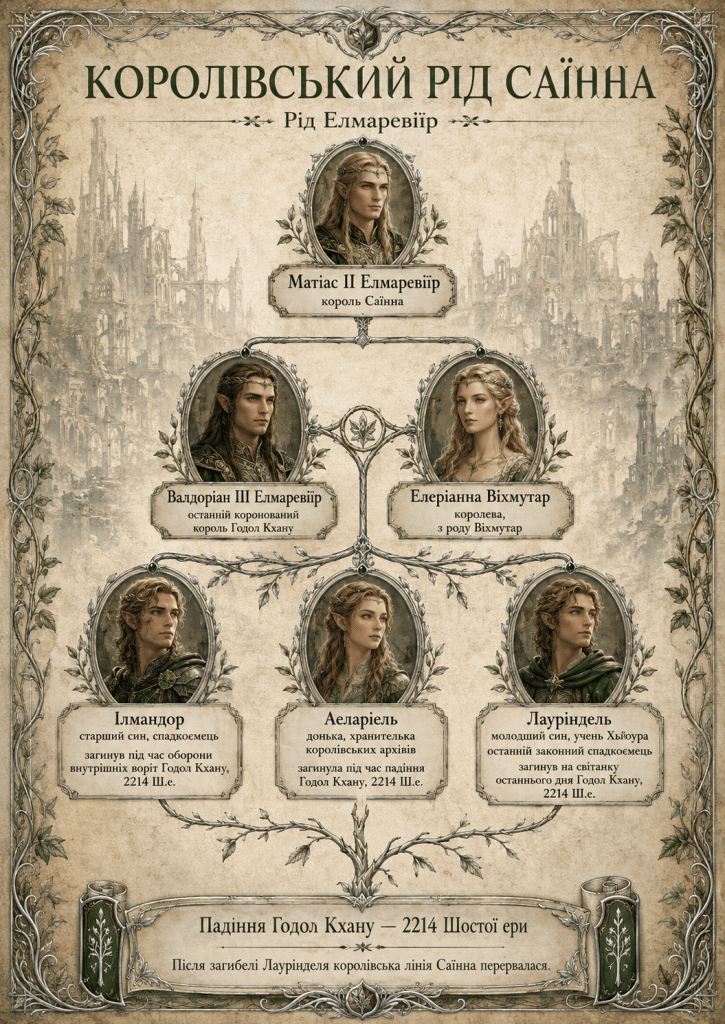
The last crowned ruler was Valdorian III Elmareviir. He and Queen Elerianna Vikhmutar had three children: their eldest son and heir, Ilmandor; Aelariel, keeper of the royal archives; and their youngest son, Laurindel, who studied under Magister Khyour.
None of them left descendants.
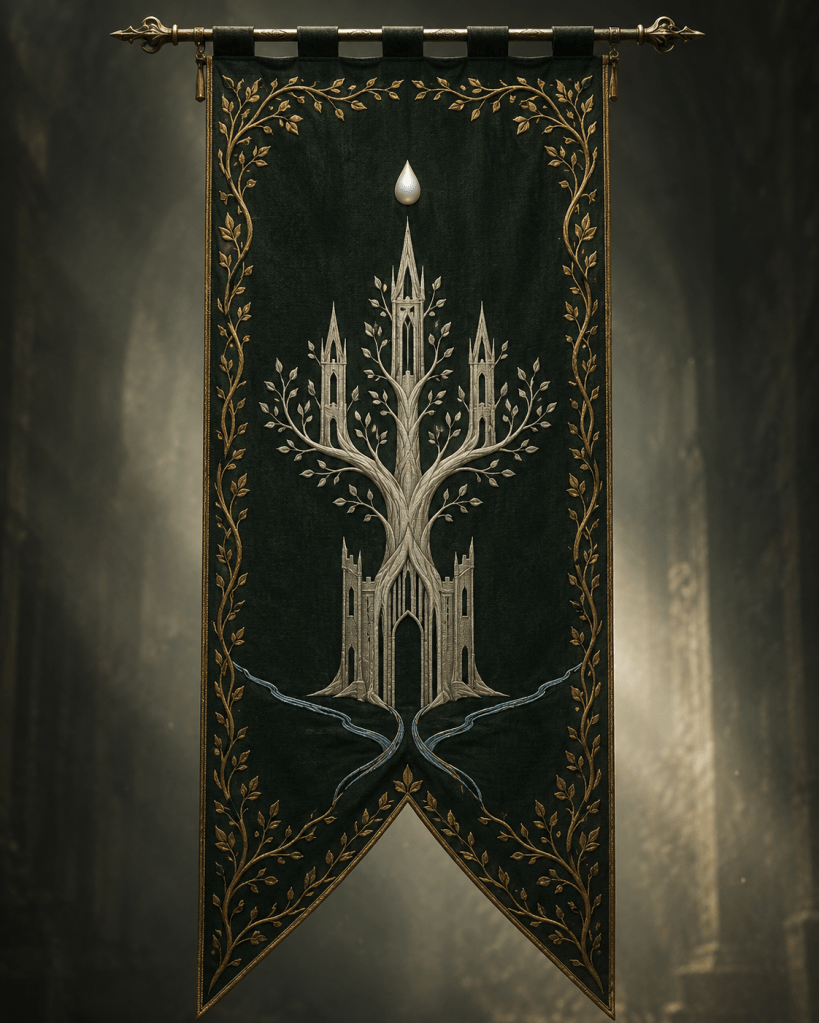
The Saїnna royal banner had a dark green field. At its centre, a silver tree merged with the gates of Godol Khan, while its three upper branches resembled both towers and a crown. Above them shone a white droplet associated with Eva’s blessing, and two silver-blue rivers met below.
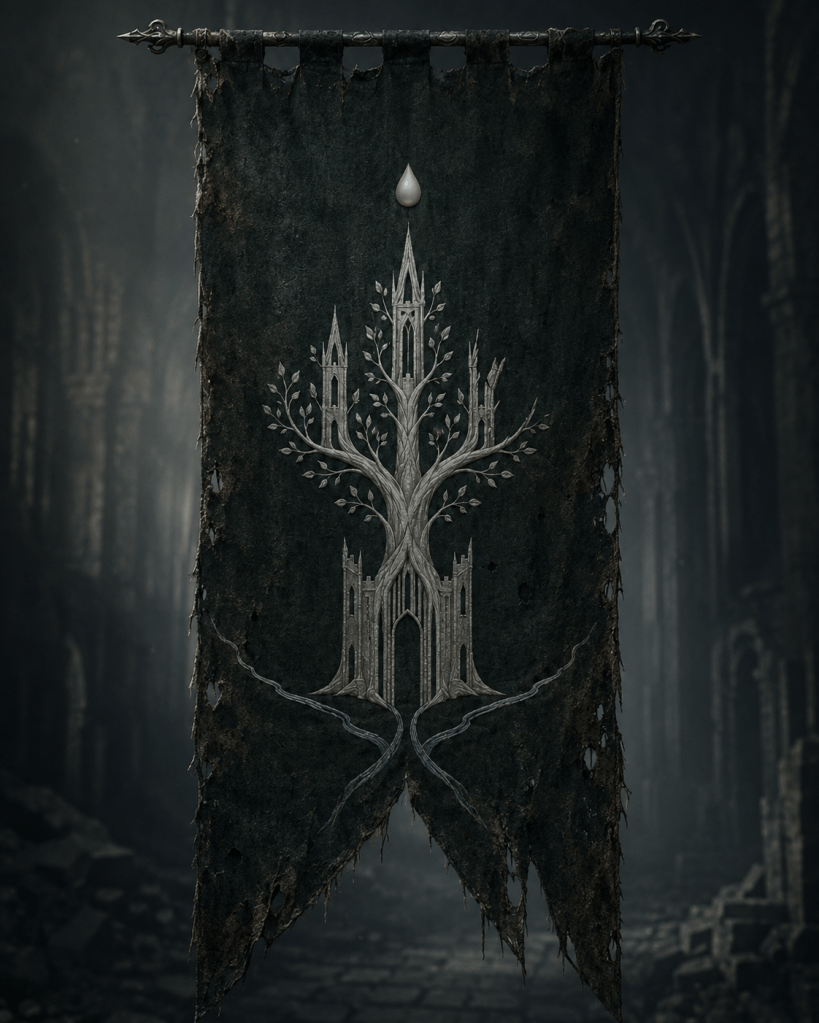
After the death of the royal family, the golden border was removed from the banner, and one of the three branches began to be shown as broken. The symbol of royal authority became a reminder of a kingdom that no longer existed.
The Fall of Godol Khan
Godol Khan fell in 2214 of the Sixth Era.
The war between the Eidasu and the Saїnna ended with the destruction of the capital, the death of the royal house, and the dispersal of a people who had called the Southern Forest their home for centuries.
King Valdorian was killed while defending the city. Ilmandor was meant to succeed him, but there was no time for a coronation. He assumed command of the Saїnna warriors and died shortly after his father.
Aelariel remained in the royal archives until nearly the very end. Thanks to her, some of the books, genealogies, and ancient records were saved, but she herself never left Godol Khan.
The last lawful heir was seventeen-year-old Laurindel. He had studied under Khyour and had already mastered some of the Saїnna’s ancient knowledge. Survivors gave conflicting accounts of what happened to him during the fall of the capital.
All that is known for certain is that Laurindel was the last member of House Elmareviir to die, having been heir to the throne for only a few hours. With his death, the Saїnna royal line ended, and they never chose another ruler.
Khyour
After the fall of the capital, Khyour became the only person who continued to live permanently among its ruins. He was one of the Saїnna mages and the most powerful prophet alive at the time.
Khyour did not belong to the royal house and had no claim to power. He settled in his own tower, where he gathered surviving manuscripts, part of the royal archive, and objects recovered after the death of the Elmareviirs. He restored some rooms, kept others locked, and allowed the damaged passages between the tower and the rest of the city to become overgrown.
In the lower rooms, Khyour stored books, dried plants, and received students. He taught the Laeg’ini language, healing, the properties of plants, and ways of understanding the behaviour of animals and magical creatures. However, very few were allowed into the upper floors or underground vaults. Even Aldis did not know what his teacher kept in the sealed sections of the tower.
Khyour rarely accepted new students and always chose them himself. Some remained in Godol Khan for a few months, while others studied there for years, but no one could simply arrive at the tower and demand to be taught. He was equally selective about sharing his prophecies and often refused even those prepared to pay generously.
The tower survived in better condition than most of the capital. Travellers passing near the ruins sometimes noticed smoke rising from its upper chimneys, light in the windows, or fresh tracks along the old road. They rarely saw Hyyour himself.
Shortly before the war started by Niam, he left Godol Khan. When Aldis came to the tower before the events of The Tale of the Ice Beast, hoping to ask his teacher to reveal his future, Khyour was no longer there. He had taken some of his belongings, but left behind the books, plants, and most of his working notes, so his departure did not appear permanent.
Rumours later spread that the magister had died while humans were crossing the Ilentil River near the borders of D’alva on the Eastern Border, where the lands of the Oraolё began. No one could confirm the story. His body was never found, and the accounts of his death contradicted one another.
Aldis did not know where his teacher had truly gone. However, he knew Khyour well enough to doubt that he had left the tower without a reason or with no intention of returning.
Aldis Agonalusta
Aldis comes from the noble house of Agonalusta, more commonly known simply as House Lusta. His family did not belong to the royal Elmareviir dynasty, and he therefore had no claim to the throne of Godol Khan.
Aldis spent part of his youth in the Southern Forest, studying under Khyour. He was not a prophet of his teacher’s calibre, but he remembered what he saw, quickly recognised patterns, and knew how to apply his knowledge in situations for which it had not originally been intended.
This became particularly apparent during his service to the Eidasu in Aspile. On Lord Lirhelm’s orders, Aldis trained groups of undead creatures captured in the surrounding lands. Ordinary commands had little effect on them, so he worked with the remnants of habits, fears, and reactions that persisted even after death. He managed to teach the undead to form ranks, wait for orders, and refrain from attacking one another.
That was when Niam first took notice of him.
“You understand animals. The living and the dead. I have been watching you. You made the virdolyaks obey and stand in formation, and you made the khitniks fall silent. Impressive.”
Aldis did not consider this genuine understanding. Living creatures could respond, change their behaviour, and make their own choices. The undead merely repeated whatever remained from their former lives, and Aldis had learned how to use those remnants.
House Lusta
Aldis has three children: Alanie, Tilleon, and Ilendil. While their father travels, they live in the ancestral home of House Lusta near Dobrashi, among other Saїnna. The house contains family books, old records, genealogies, and some of the knowledge Aldis once received from Khyour.
The children know why their father left the Southern Forest and support him, although they do not always agree with his decisions. Aldis rarely tells them everything that happens during his travels, but he stays in contact with home and returns whenever he has the opportunity.
Like their father, Alanie, Tilleon, and Ilendil did not inherit royal blood. However, they continue one of the oldest Saїnna lineages. Along with its name, they inherited their family’s memories, language, and knowledge of a people who lost their kingdom but retained their history.
For now, Aldis’s children remain in the Southern Forest and do not take part in his journey. However, House Lusta may not remain separate from the events spreading across the Continent forever.
What Remains
The Saїnna lost Godol Khan, their royal family, and most of their settlements, but their people did not disappear. They still live in small communities throughout the Southern Forest, while some families have gradually settled beyond its borders.
The direct line of Eva’s youngest son ended with House Elmareviir, but many Saїnna still carry a part of his blood. They speak Laeg’ini, keep genealogical records, preserve old books, and pass their knowledge on to their children. The Saїnna legacy has not disappeared.
The settlements manage their own affairs, while the old houses maintain connections between their communities. Godol Khan was never rebuilt and remains a reminder of the tragic end of the Great Sundering, although the Saїnna still visit its ruins and know the roads leading to the city.
Today, the Saїnna remain a scattered people connected by their shared origins, language, and ties between their houses.
We have now spoken about the Eidasu and the Saїnna, which leaves only the Oraolё, the people of the White City, dragons, and golden nightingales.
Their kingdom’s final day will be told in The Nightingales of Lavelen, coming on August 1.
P.S. For now – in Ukrainian, but I will work on translation as well.
~~~
Саїнна: Алдіс – учень пророка
Ми вже говорили про Едасу – давній і могутній народ, який досі прагне повернути собі колишню велич. Тепер настав час згадати наймолодшу з трьох гілок дітей Еви.
Саїнна
Або Заїїна, як їх частіше називають склави. Серед інших людей можна почути й коротший варіант – Зайна.
Про них відомо значно менше, ніж про Едасу чи Ораолів. У Саїнна більше немає власної держави, короля або численного війська. Їхню столицю зруйновано, королівська лінія давно перервалася, а ті, кому вдалося пережити загибель Годол Кхану, розійшлися світом.
І все ж Саїнна не зникли. Одного з них ми знаємо досить добре – це Алдіс Агоналуста, або просто Алдіс з роду Луста, одного з героїв “Сказанки про Крижаного Звіра”.
Tenne’oi Foret – Південний Ліс
Після Великого Розколу, яким завершилася перша братерська війна, Саїнна оселилися далеко на півдні Континенту, серед старих лісів, річкових долин і відрогів Гортмрату. Цей край отримав назву Теннетої Форет, або Південний Ліс.
Саїнна майже не будували великих міст. Їхні поселення ховалися поміж деревами, на берегах річок і лісових терасах. Будівлі огинали старі стовбури, мости з’єднували береги ущелин, а вода вільно проходила крізь нижні рівні поселень.
Єдиним справді великим містом була їхня столиця – Годол Кхан.
Його назва мовою Лаег’їні означає приблизно “Фортеця-замок”, і вона добре передає сутність міста. Годол Кхан був водночас столицею і добре укріпленою цитаделлю. Його світлі вежі здіймалися над Південним Лісом, річки проходили крізь тераси й сади, а високі мости з’єднували окремі частини міста над водоспадами та проваллями.
Саїнна не вважали, що побудували Годол Кхан серед лісу. Вони казали, що місто виросло разом із ним.
Народ, що вмів слухати
Серед трьох гілок дітей Еви Саїнна найтісніше пов’язували своє життя з лісом. Вони мали світлу шкіру, гострі вуха й переважно зелені очі, а їхнє волосся могло бути майже будь-якого природного відтінку: від світлого золота до темно-каштанового.
Вони вірили, що живий світ неможливо по-справжньому підкорити. Його можна налякати, змусити коритися або зламати, але така влада завжди залишатиметься тимчасовою. Тому їхня магія починалася з уміння слухати все навколо.
Чарівники Саїнна вивчали рослини, тварин і все, у чому зберігалася бодай частина життя. Вони помічали страх, біль і звички істоти, знаходили причину її поведінки й лише тоді намагалися вплинути на неї.
Саме тому серед Саїнна було так багато цілителів, провидців і знавців істот, яких інші народи вважали дикими або небезпечними. Деякі з них уміли відчувати навіть сліди того, що вже померло.
Можливо, саме ця здатність згодом допомогла Алдісу зробити те, що здавалося неможливим навіть Ніаму.
Королівський рід Елмаревіїр
До падіння Годол Кхану Саїнна правив рід Елмаревіїр. Право на престол переходило до старшої дитини незалежно від статі, тому серед володарів Південного Лісу були як королі, так і королеви.
Останнім коронованим правителем став Валдоріан III Елмаревіїр. Разом із королевою Елеріанною Віхмутар він мав трьох дітей: старшого сина й спадкоємця Ілмандора, хранительку королівських архівів Аеларіель та молодшого сина Лаурінделя, який навчався у магістра Хьйоура.
Жоден із них не залишив нащадків.
Королівський прапор Саїнна мав темно-зелене полотнище. У його центрі срібне дерево зросталося з брамою Годол Кхану, а три верхні гілки нагадували водночас вежі й корону. Над ними сяяла біла крапля, пов’язана з благословенням Еви, а внизу сходилися дві срібно-блакитні річки.
Після загибелі королівської родини золота облямівка зникла зі знамена, а одну з трьох гілок почали зображати надламаною. Так знак королівської влади перетворився на символ пам’яті про державу, якої більше не існувало.
Падіння Годол Кхану
Годол Кхан пав у 2214 році Шостої ери.
Війна Едасу проти Саїнна завершилася знищенням столиці, загибеллю королівського роду й розпорошенням народу, який століттями називав Південний Форет своїм домом.
Король Валдоріан загинув під час захисту міста. Після нього правителем мав стати Ілмандор, але провести коронацію вже не встигли. Він прийняв командування воїнами Саїнна й загинув невдовзі після батька.
Аеларіель залишалася в королівських архівах майже до останнього. Завдяки їй частину книг, родоводів і давніх записів вдалося врятувати, однак сама вона з Годол Кхану не вийшла.
Останнім законним спадкоємцем став сімнадцятирічний Лауріндель. Він був учнем Хьйоура й уже володів частиною давніх знань Саїнна. Що саме сталося з ним під час падіння столиці, уцілілі розповідали по-різному.
Відомо лише, що Лауріндель загинув останнім із роду Елмаревіїр, пробувши спадкоємцем престолу лише кілька годин. Після його смерті королівська лінія Саїнна перервалася, а нового володаря вони так і не обрали.
Хьйоур
Після падіння столиці Хьйоур став єдиним, хто залишився постійно жити серед її руїн. Він був одним із магів Саїнна й найсильнішим пророком серед тих, хто жив на той час.
До королівського роду Хьйоур не належав і на владу не претендував. Він оселився у власній вежі, зібрав туди вцілілі рукописи, частину королівського архіву й речі, які вдалося врятувати після загибелі Елмаревіїрів. Деякі приміщення він відновив, інші залишив замкненими, а пошкоджені переходи між вежею та рештою міста поступово заросли.
У нижніх кімнатах Хьйоур зберігав книги, сушив рослини й приймав учнів. Він навчав мови Лаег’їні, лікування, властивостей рослин і способів розуміти поведінку тварин та магічних істот. Проте доступ до верхніх поверхів і підземних сховищ мали далеко не всі. Навіть Алдіс не знав, що саме вчитель зберігав у зачинених частинах вежі.
Хьйоур рідко брав нових учнів і обирав їх сам. Одні залишалися в Годол Кхані на кілька місяців, інші навчалися роками, але ніхто не міг просто прийти до вежі й вимагати знань. Пророцтвами він також не ділився без причини й часто відмовляв навіть тим, хто був готовий добре заплатити.
Вежа вціліла краще за більшість будівель столиці. Мандрівники, які проходили поблизу руїн, іноді помічали дим із верхніх труб, світло у вікнах або свіжі сліди на старій дорозі. Самого Хьйоура вони бачили рідко.
Незадовго до початку війни, яку роза’язав Ніам, він залишив Годол Кхан. Коли Алдіс прийшов до вежі перед подіями “Сказанки”, сподіваючись попросити вчителя відкрити йому майбутнє, то не застав його на місці. Частину речей Хьйоур забрав, але книги, рослини й більшість робочих записів залишилися, тому його від’їзд не здавався остаточним.
Згодом поширилися чутки, що магістр загинув під час форсування людьми річки Ілентіль біля кордонів Далва на Східному Кордоні – початку земель Ораолів. Підтвердити це ніхто не зміг: тіла не знайшли, а обставини його загибелі в різних розповідях не збігалися.
Алдіс не знав, куди насправді вирушив учитель. Однак він добре знав Хьйоура й сумнівався, що той залишив вежу випадково або без наміру повернутися.
Алдіс Агоналуста
Алдіс походить зі шляхетного роду Агоналуста, який частіше називають просто родом Луста. До королівської династії Елмаревіїрів його родина не належала, тому жодних прав на престол Годол Кхану він не мав.
Частину юності Алдіс провів у Південному Лісі, де навчався у Хьйоура. Алдіс не був провидцем рівня свого вчителя, однак добре запам’ятовував побачене, швидко знаходив закономірності й умів застосовувати знання в умовах, для яких вони спочатку не призначалися.
Це особливо проявилося під час його служби Едасу в Ашпілі. За наказом лорда Лірхельма Алдіс тренував загони немертвих із навколишніх земель. Звичайні команди на них майже не діяли, тому він працював із залишками звичок, страхів і реакцій, які зберігалися навіть після смерті. Йому вдалося змусити немертвих ставати у стрій, чекати наказу й не нападати одне на одного.
Саме тоді на нього звернув увагу Ніам.
— Ти знаєшся на тваринах. На живих і мертвих. Я спостерігав за тобою. Ти змусив вирдоляків слухатися й стати у стрій, а хітніків — замовкнути. Вражаюче.
Алдіс не вважав це справжнім порозумінням. Живі істоти могли відповідати, змінювати поведінку й робити власний вибір. Немертві лише повторювали те, що залишилося в них від попереднього життя, і Алдіс навчився користуватися цими залишками.
Рід Луста
У Алдіса є троє дітей: Аланіє, Тіллєон та Іленділь. Поки батько мандрує, вони живуть у родовому домі Луста неподалік Добрашів, серед інших Саїнна. Там зберігаються сімейні книги, старі записи, родоводи й частина знань, які Алдіс свого часу отримав від Хьйоура.
Діти знають, чому батько залишив Південний Ліс, і підтримують його, хоча не завжди погоджуються з його рішеннями. Алдіс рідко розповідає їм про все, що трапляється під час мандрів, але підтримує з домом зв’язок і повертається туди щоразу, коли має таку можливість.
Аланіє, Тіллєон та Іленділь як і їх батько не успадкували королівської крові, проте продовжують один із найдавніших родів Саїнна. Разом із його ім’ям їм дісталися родинна пам’ять, мова та знання про народ, який утратив державу, але не власну історію.
Наразі діти Алдіса залишаються в Південному Лісі й не беруть участі в його мандрівці. Утім, навряд чи рід Луста ще довго залишатиметься осторонь подій, що поступово охоплюють увесь Континент.
Те, що залишилося
Саїнна втратили Годол Кхан, королівську родину й більшість поселень, але їхній народ не зник. Вони досі живуть у невеликих поселеннях по всьому Південному Лісу, а окремі родини з часом оселилися за його межами.
Пряма лінія наймолодшого сина Еви обірвалася разом із родом Елмаревіїр, однак у багатьох Саїнна досі зберігається частина його крові. Вони розмовляють Лаег’їні, ведуть родоводи, зберігають старі книги й передають дітям знання. Ми можемо сказати, що спадщина Саїнна нікуди не зникла.
Поселення самостійно розв’язують свої справи, а давні роди підтримують зв’язок між громадами. Годол Кхан так і не відбудували, як пам’ять про трагічний кінець великого Розколу, хоча Саїнна досі відвідують його руїни й знають дороги, якими можна дістатися до міста.
Нині Саїнна залишаються розпорошеним народом, об’єднаним спільним походженням, мовою та зв’язками між родами.
Про Едасу й Саїнна ми вже поговорили, тож наступними залишаються лише Ораолі. Народ Білого міста, драконів і золотих солов’їв.
Саме про останній день королівства Ораолів розповість оповідання “Солов’ї Лавелену”, яке вийде 1 серпня.
Разом із цим постійно повертаюся до попередніх книг циклу, щось перечитую, звіряю дрібні деталі, іноді просто згадую, з чого все починалося. 😊
І ось днями, переглядаючи свої старі нотатки до “Тифона“, натрапила на невеличкий додаток, який колись написала, але зрештою так і не включила до книги.
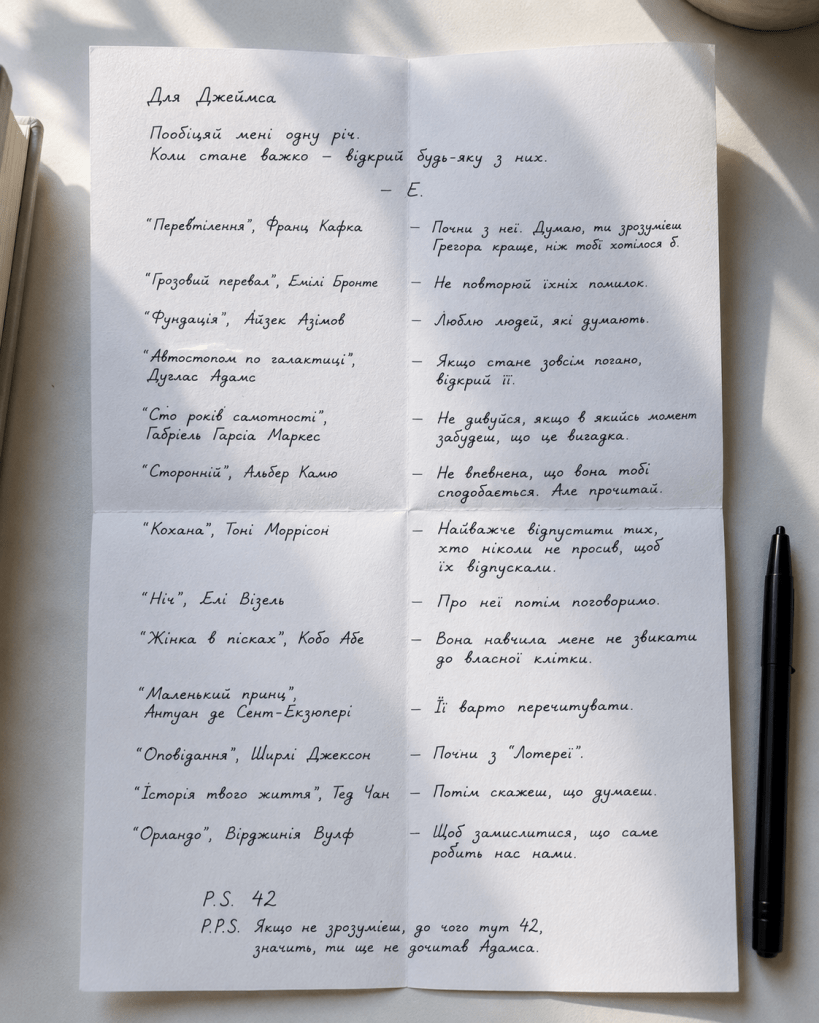
Якщо ви читали Тифона, то, мабуть, пам’ятаєте, що Елінор залишила Джеймсові список своїх улюблених книжок. Саме його він пізніше починає читати протягом історії.
А сьогодні мені здалося, що він заслуговує на те, щоб його побачили. Тож хочу поділитися ним з вами:
Для Джеймса
Пообіцяй мені одну річ.
Коли стане важко – відкрий будь-яку з них.
– Е.
“Перевтілення”, Франц Кафка
Почни з неї. Думаю, ти зрозумієш Грегора краще, ніж тобі хотілося б.
“Грозовий перевал”, Емілі Бронте
Не повторюй їхніх помилок.
“Фундація”, Айзек Азімов
Люблю людей, які думають.
“Автостопом по галактиці”, Дуглас Адамс
Якщо стане зовсім погано, відкрий її.
“Сто років самотності”, Ґабріель Гарсія Маркес
Не дивуйся, якщо в якийсь момент забудеш, що це вигадка.
“Сторонній”, Альбер Камю
Не впевнена, що вона тобі сподобається. Але прочитай.
“Кохана”, Тоні Моррісон
Найважче відпустити тих, хто ніколи не просив, щоб їх відпускали.
“Ніч”, Елі Візель
Про неї потім поговоримо.
“Жінка в пісках”, Кобо Абе
Вона навчила мене не звикати до власної клітки.
“Маленький принц”, Антуан де Сент-Екзюпері
Її варто перечитувати.
“Оповідання”, Ширлі Джексон
Почни з “Лотереї”.
“Історія твого життя”, Тед Чан
Потім скажеш, що думаєш.
“Орландо”, Вірджинія Вулф
Щоб замислитися, що саме робить нас нами.
P.S. 42
P.P.S. Якщо не зрозумієш, до чого тут 42, значить, ти ще не дочитав Адамса.