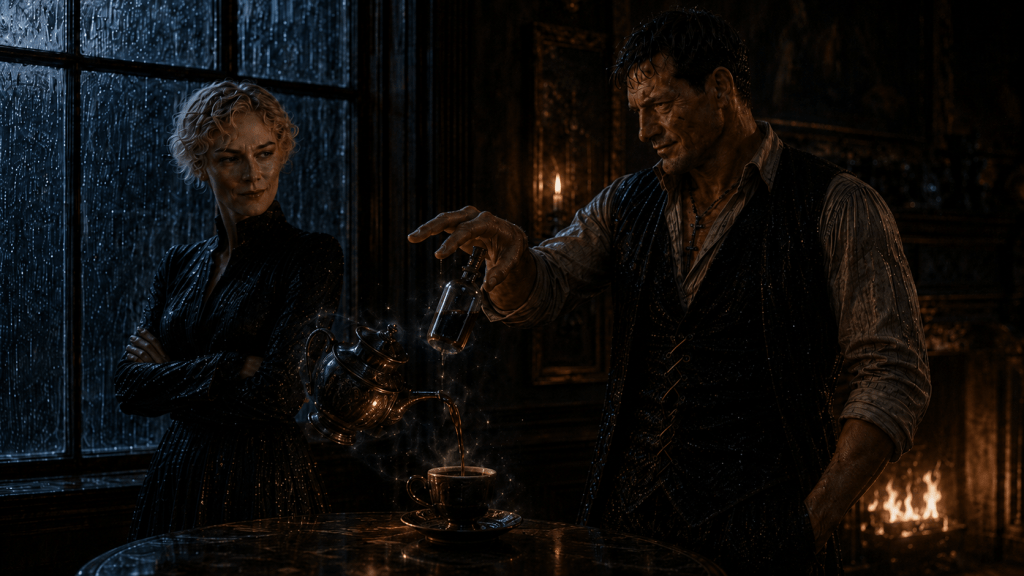
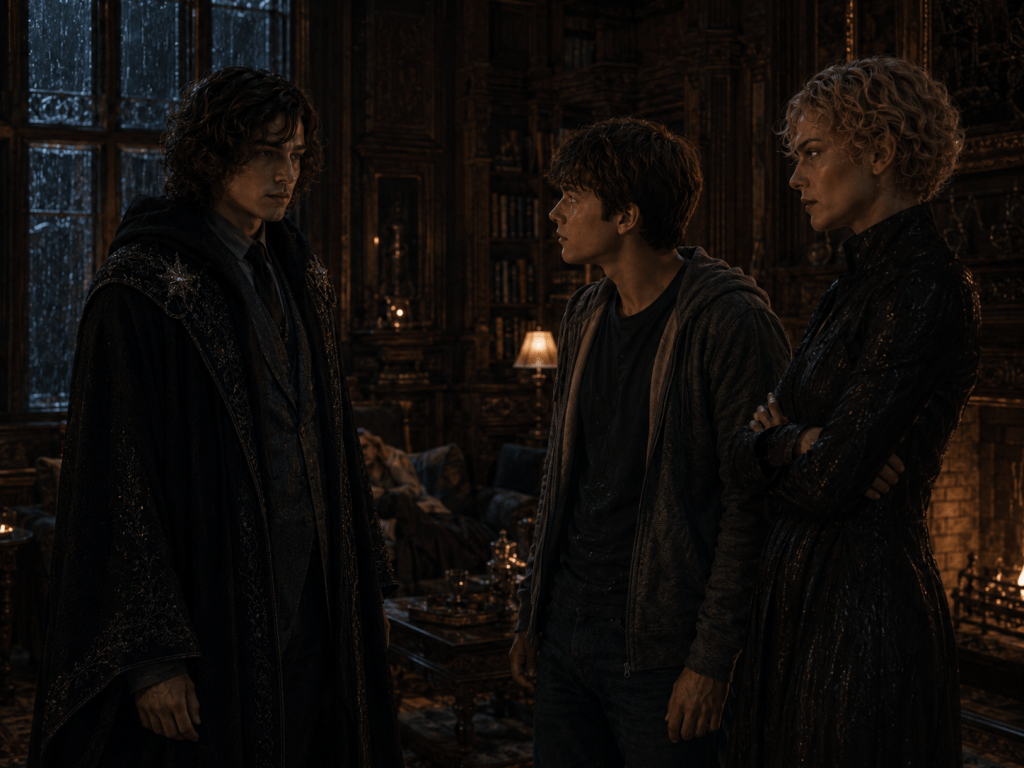
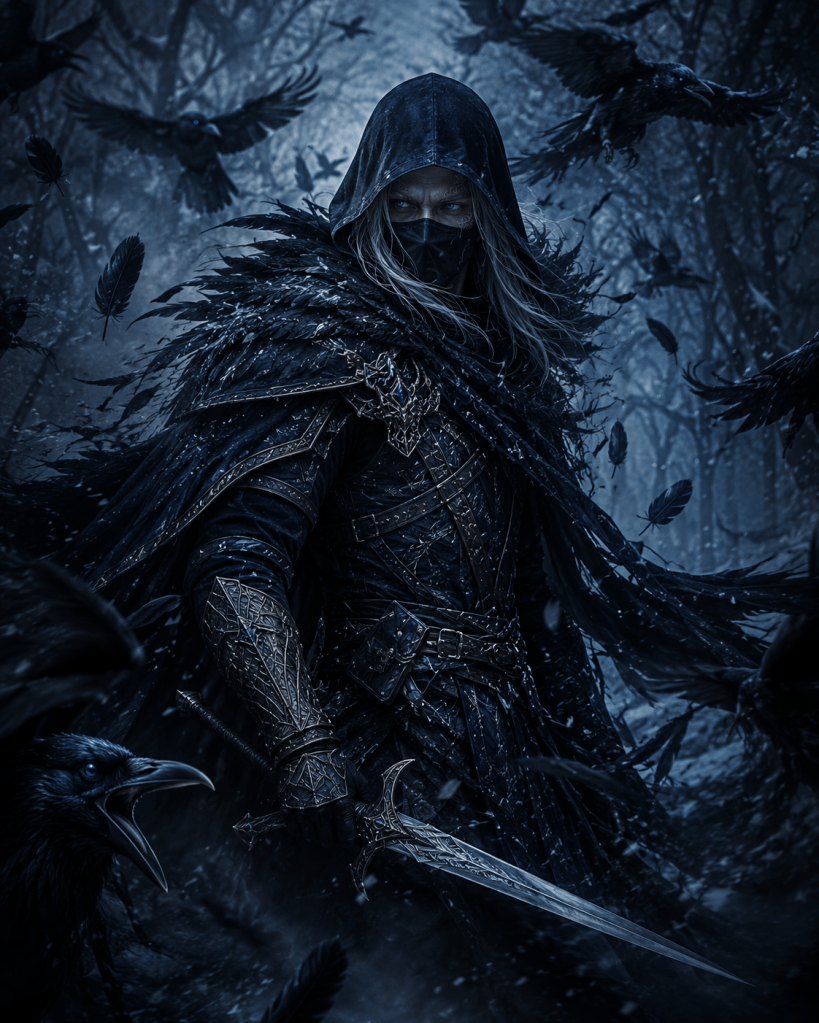
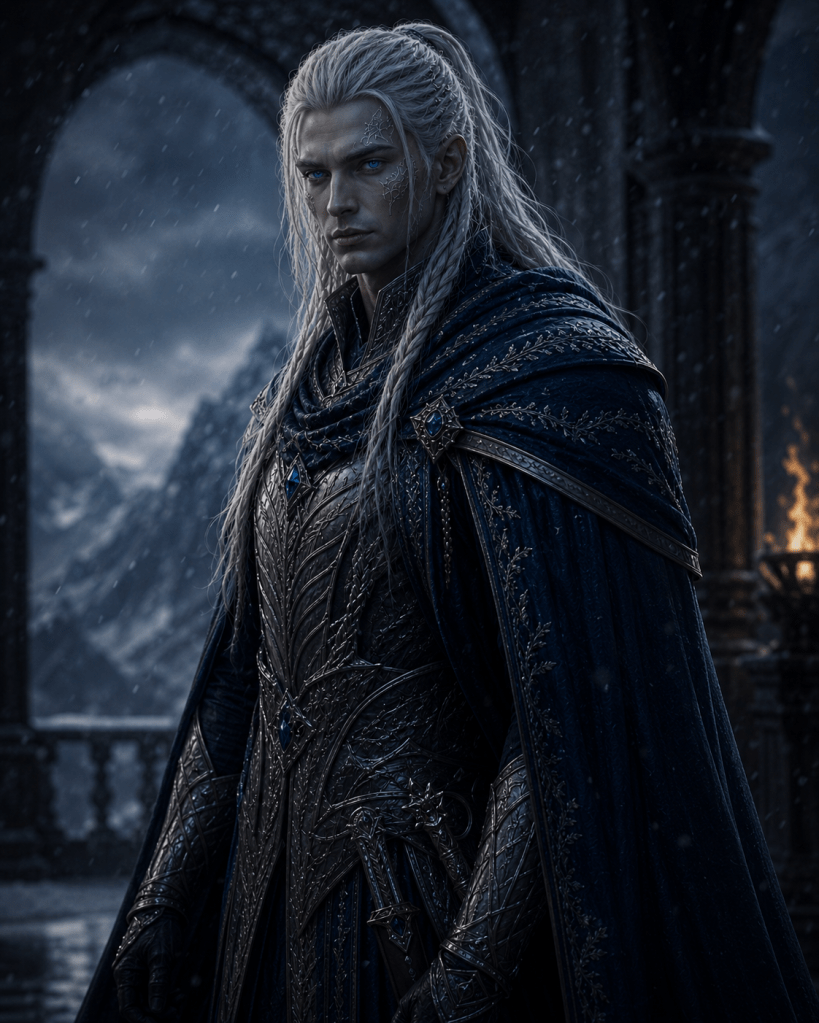
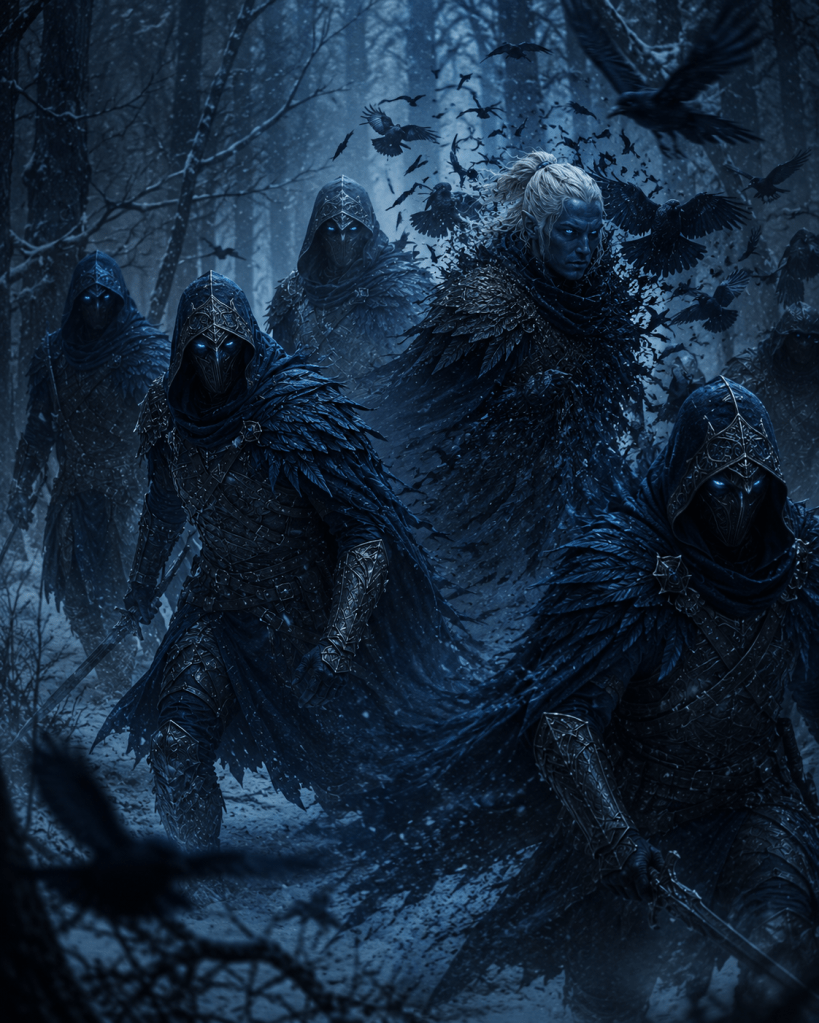
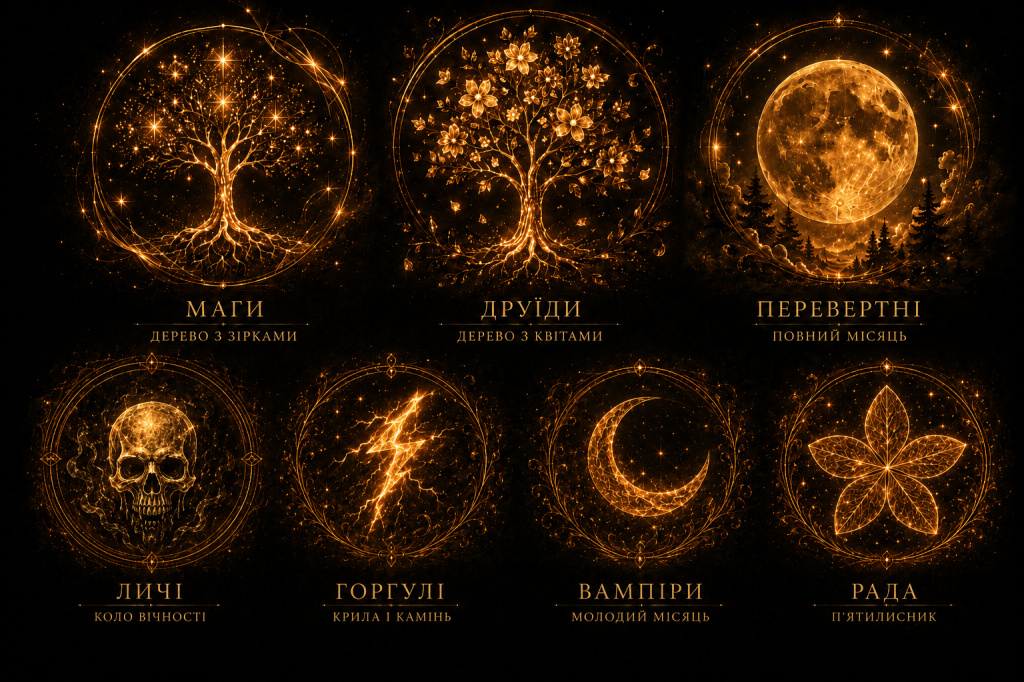
We have already spoken about the Eidasu, descendants of Ewa’s middle son who sought to reclaim their lost greatness, and about the Sainna, who learned to live without a united kingdom after the destruction of Godol Khan.
Only the third and eldest branch of Ewa’s children remains.
Oraolё
A people of northern forests, mountain fortresses, dragons, and cities hidden from the rest of the Continent. To others, their lives seemed almost like something from a fairy tale.
Their lands stretched from snow-covered mountain peaks to fertile valleys. Between the Eastern and Sea Gorts lay the rich land of D’Alva, a region of endless summer, green gardens, and abundant harvests.
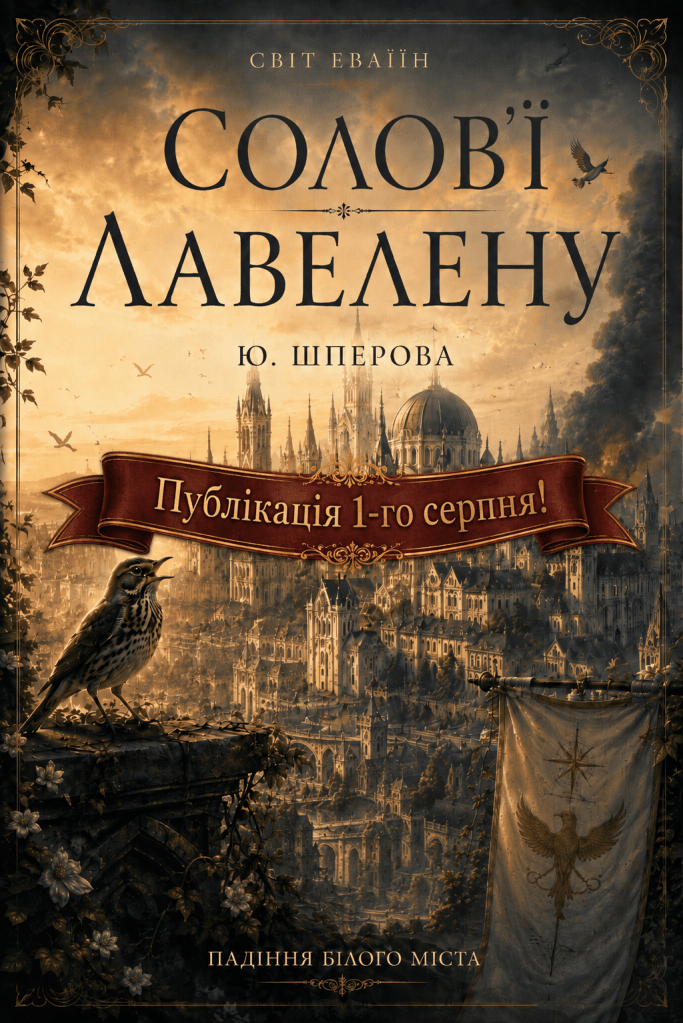
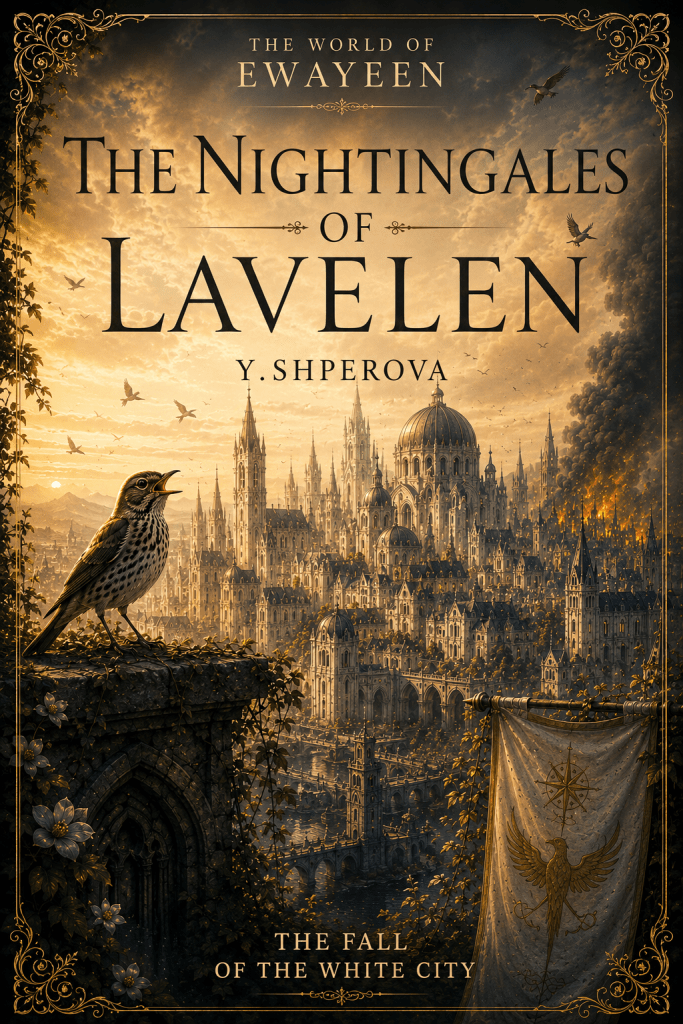
Very soon, we will travel to one of their hidden cities, where the story of The Nightingales of Lavelen begins.
This time, however, our focus will not be only on the history of a people, but also on the child destined to inherit their crown.
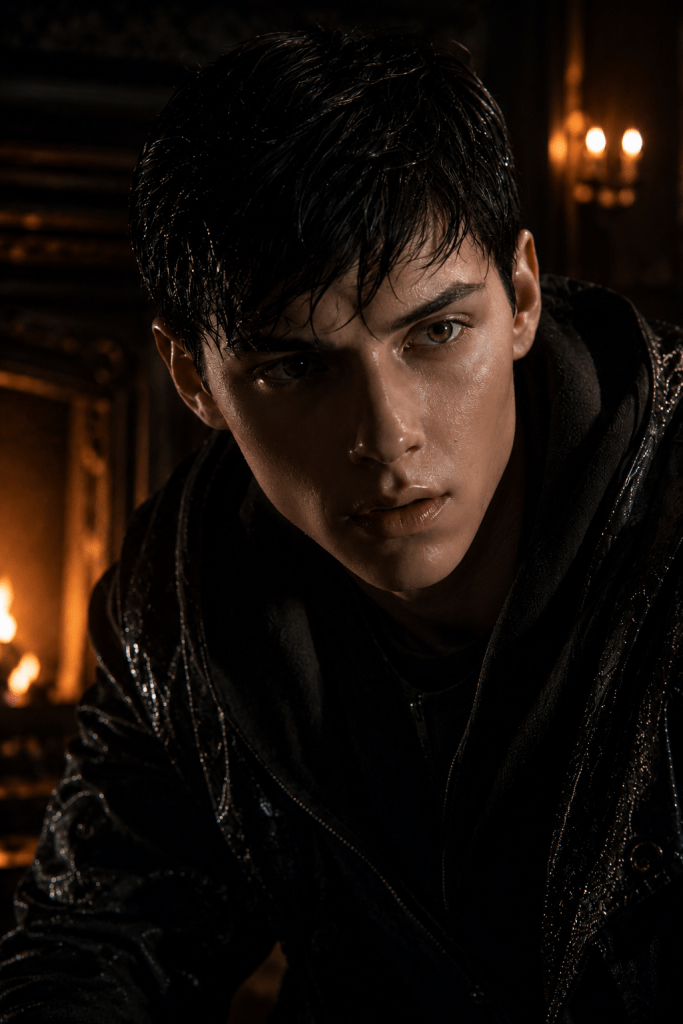
Ain Valaberg, the only son of the last king of Lavelen.
The Eldest Branch of Ewa’s Children
The ancestor of the Oraolё was Alan, the eldest of the three sons of Ewa and Irn. After the brothers descended to the earth, he became the guardian of the northern lands and settled among forests, cold lakes, and mountain ranges.
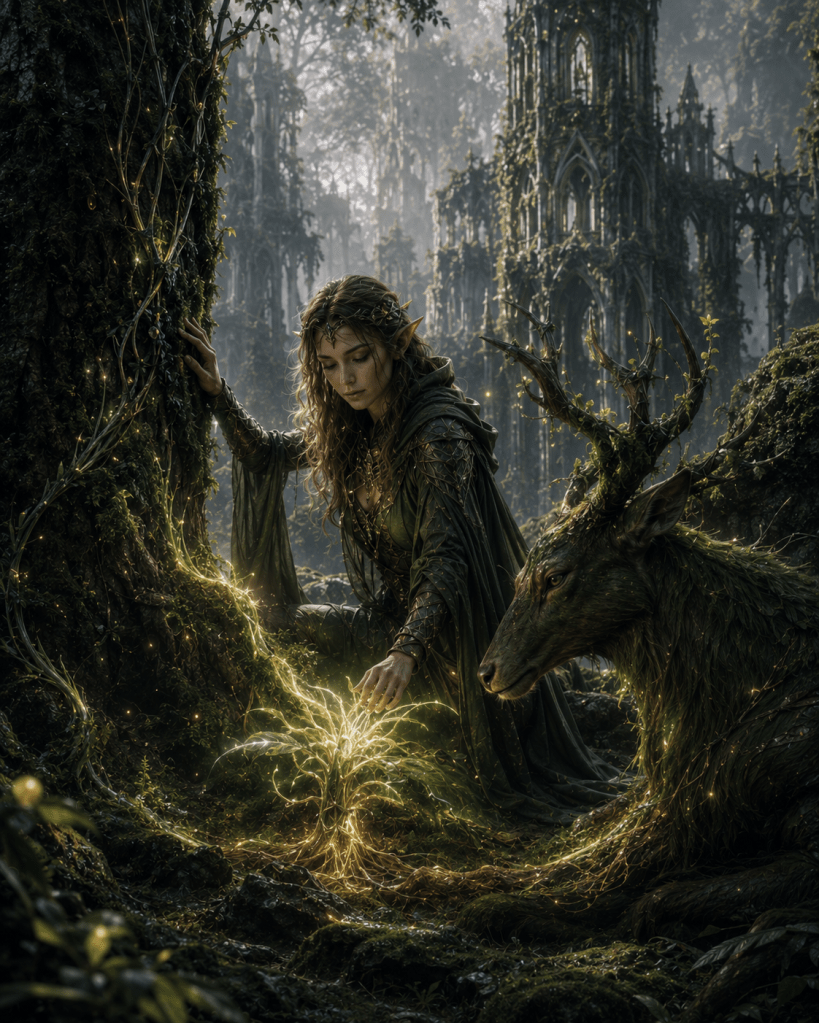
His wife was Magirra, a golden-haired dryad of the ancient northern forests. The Oraolё descended from their union.
Of the three branches of the Ewayeen, the Oraolё preserved the First Blood longer than any other. It was the divine legacy of Ewa, Lady of Earth and Water, and Irn, Lord of the Sky, Air, and Fire. Its power manifested not only through magic, but also through extraordinary longevity, a strong connection to the elements, and abilities unavailable to other peoples. With every new generation, however, the First Blood weakened, gradually changing from a gift of the gods into a legend of former greatness.
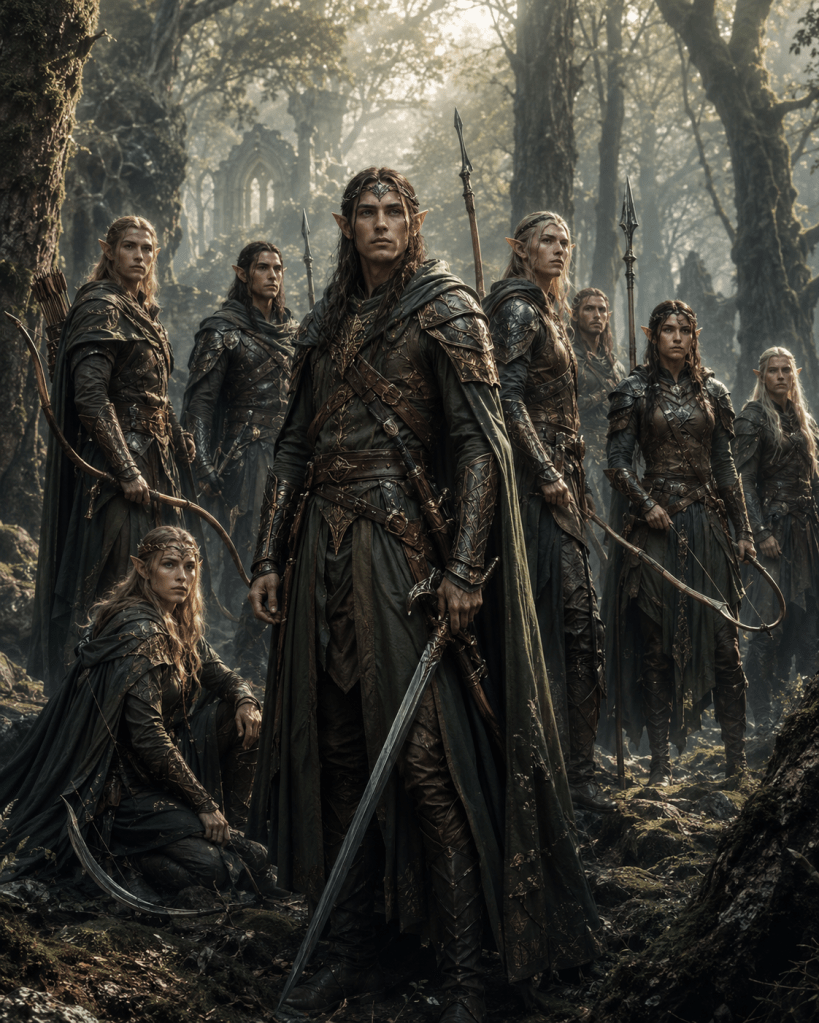
In appearance, the Oraolё did not differ from the Sklavs as much as one might expect. They had warm, tan skin, light brown or dark-blond hair in many shades, and golden-brown eyes. Their ears were usually not pointed, although exceptions did occur. Beyond their own lands, an Oraol could therefore pass unnoticed, especially when not using magic.
Lessenia – the Lands of the Oraolё
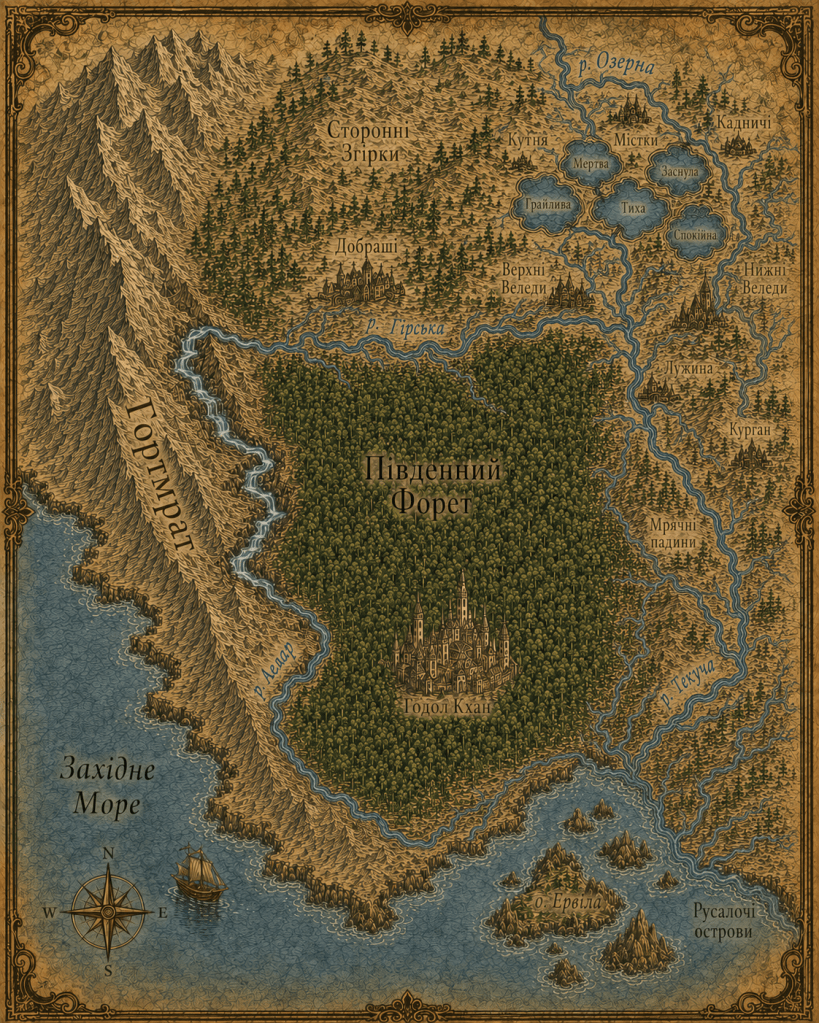
The territories of the Oraolё were known as Lessenia. It was once a vast and wealthy region stretching from the northern forests to the mountain ranges and the lands beyond Oirkhe Gort.
One of Lessenia’s most famous landmarks was the Singing Gardens, constructed high in the mountains. Countless birds nested among their flowering trees and terraces, and their songs rarely fell silent between dawn and night. This was how the gardens received their name.
To the east of Retnar Gort, extending as far as Lieho Gort—the Sea Mountains—lay the valley of D’Alva. Sheltered from cold winds by the surrounding mountain ranges, it barely knew winter. Its gardens remained green throughout the year, its fields produced abundant harvests, and warm air from the sea carried the scent of water and flowers.
The principal Oraolё cities stood in different parts of Lessenia.
Dirah Dol, whose name meant roughly “Tower Fortress,” was considered their capital for many years. However, it stood too close to the lands of the Sklavs, and the political centre gradually shifted to the better-protected Laargarolt, the “Traveller’s Refuge.”
Eventually, Lavelen became the principal seat of the royal house.
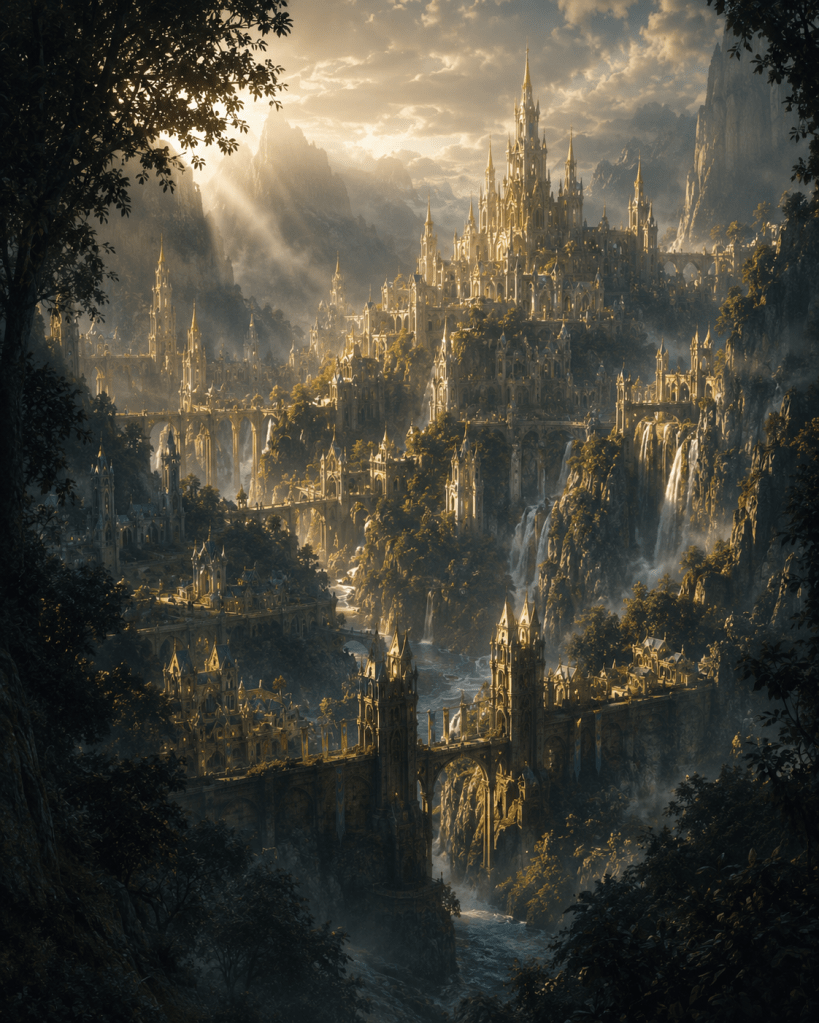
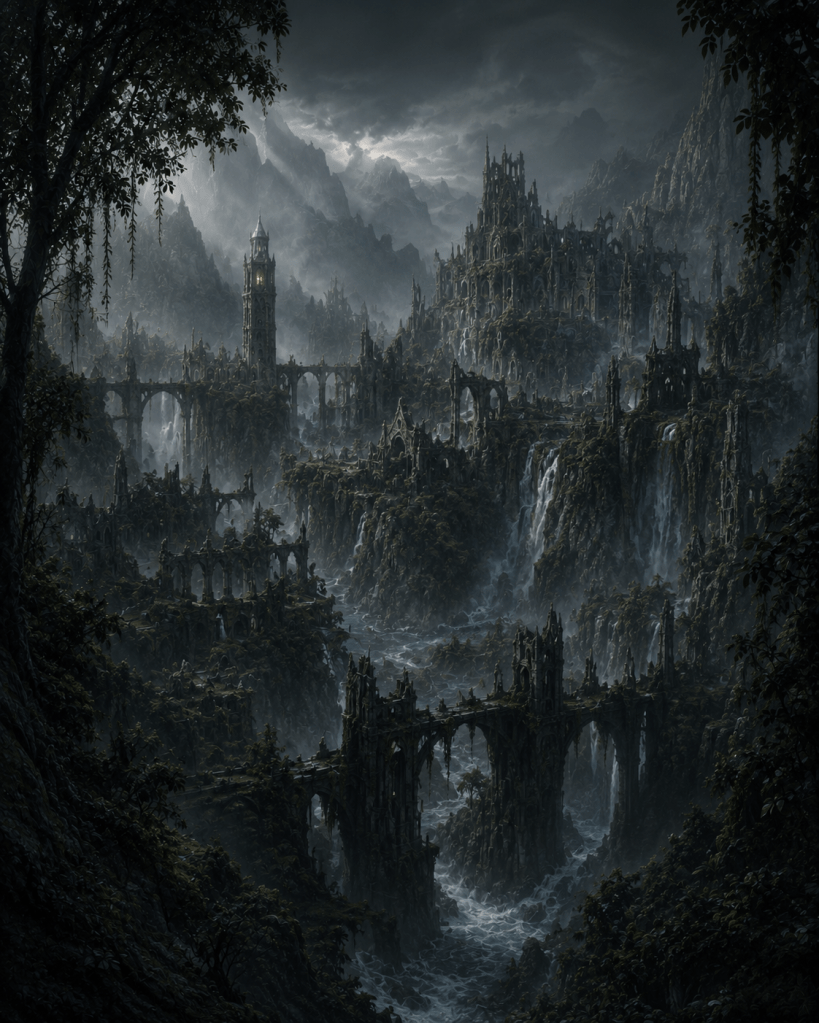
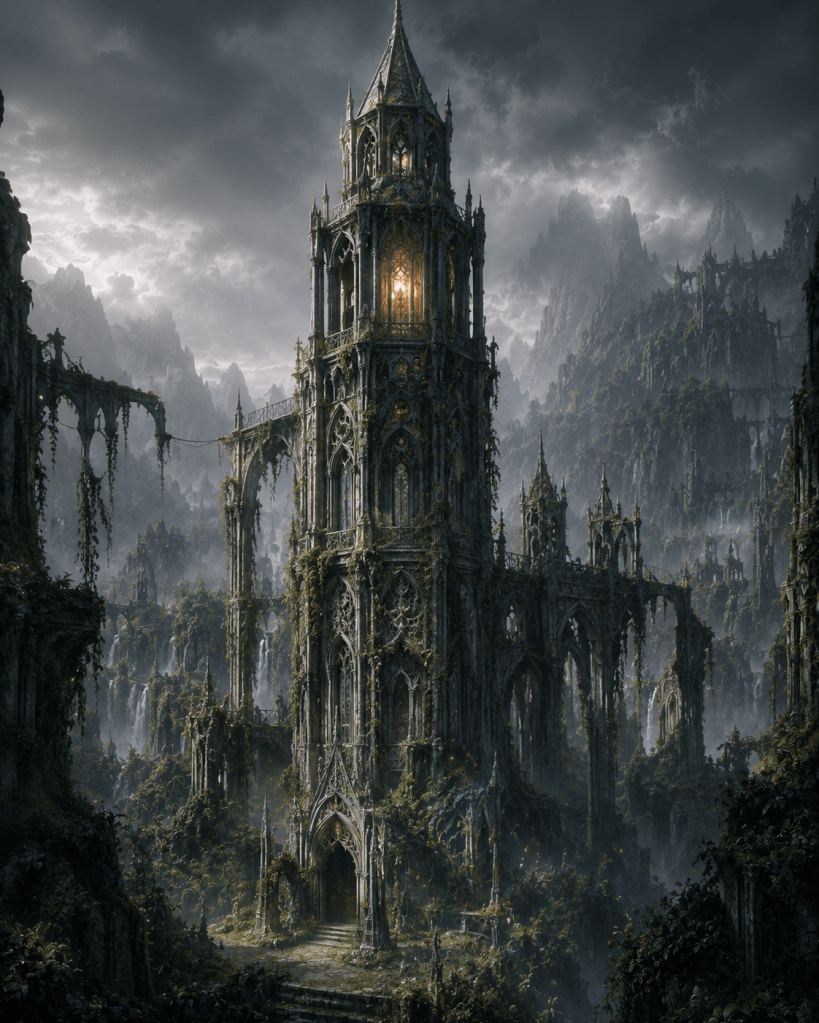
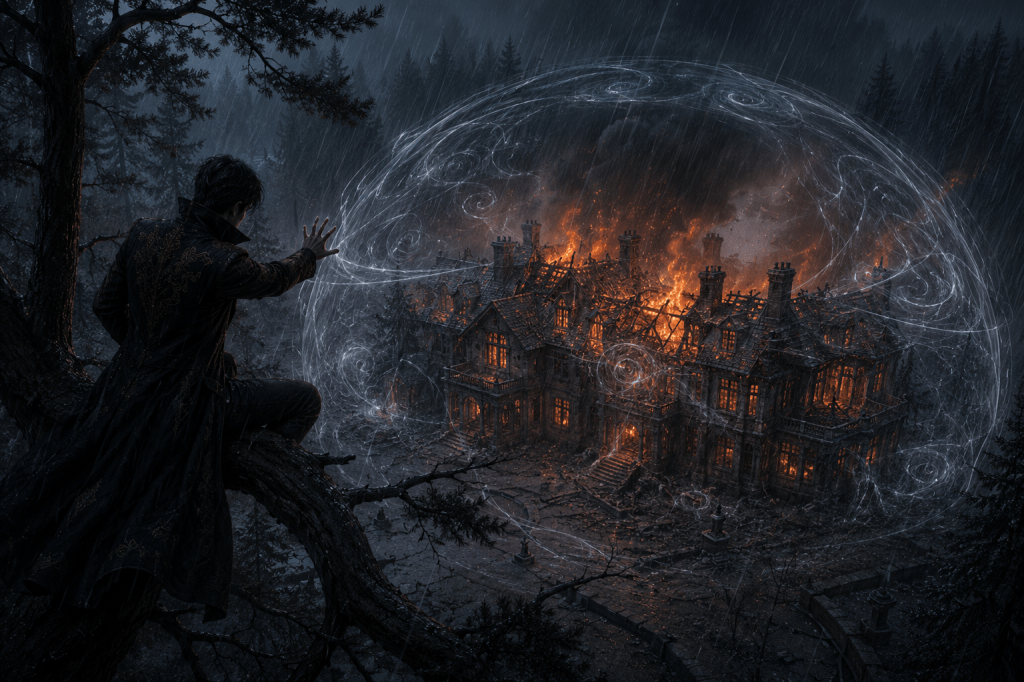
Its name meant “hidden,” and the city lived up to it. Lavelen stood high in the mountains, concealed by a glamour that prevented outsiders from seeing either its towers or the roads leading to its gates.
The city consisted of several rings rising along the mountain slopes. Craftspeople, warriors, and servants lived on the lower levels, while the Upper Ring held the royal palace, the temple, the gardens, and the dragon platforms.
Today, much of Lessenia stands empty. Laargarolt has been abandoned, and many other settlements survive only as roads, ruins, and names on old maps.
The Magic of the Oraolё
The Oraolё sensed the elements more clearly than the other branches of the Ewayeen. They could recognise changes in water, earth, air, and fire, and reach out to them without conventional spells.
This connection grew stronger with age. In childhood, the gift might manifest only as heightened sensitivity to the weather, living creatures, or the magic of others. Later, the Oraolё learned to control it, although each person’s abilities depended on their blood, training, and natural inclinations.
Another part of their inheritance was mind magic. The Oraolё could touch the emotions of others, transmit simple images, and calm creatures with whom words were impossible.
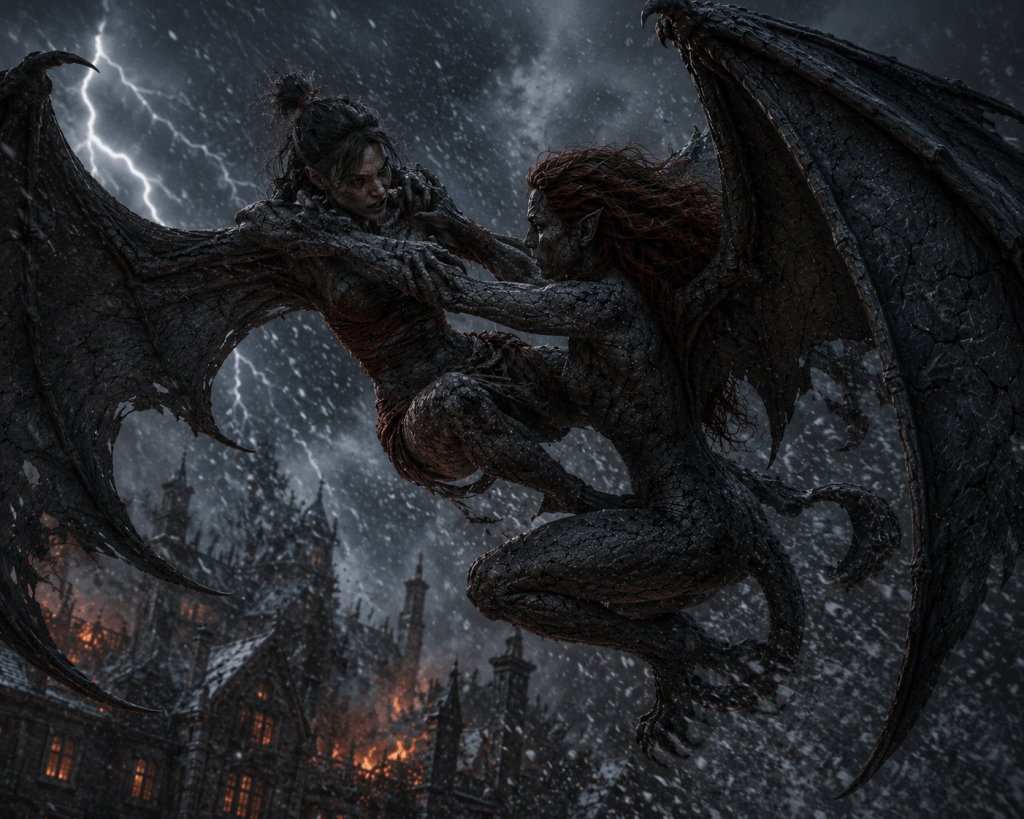
It was through this gift that they became the only people able to establish a bond with dragons.
The Oraolё did not consider dragons domesticated animals, nor did they control them through ordinary commands. The bond between rider and dragon developed gradually and required the consent of both. Even a king could not simply choose any dragon he wished.
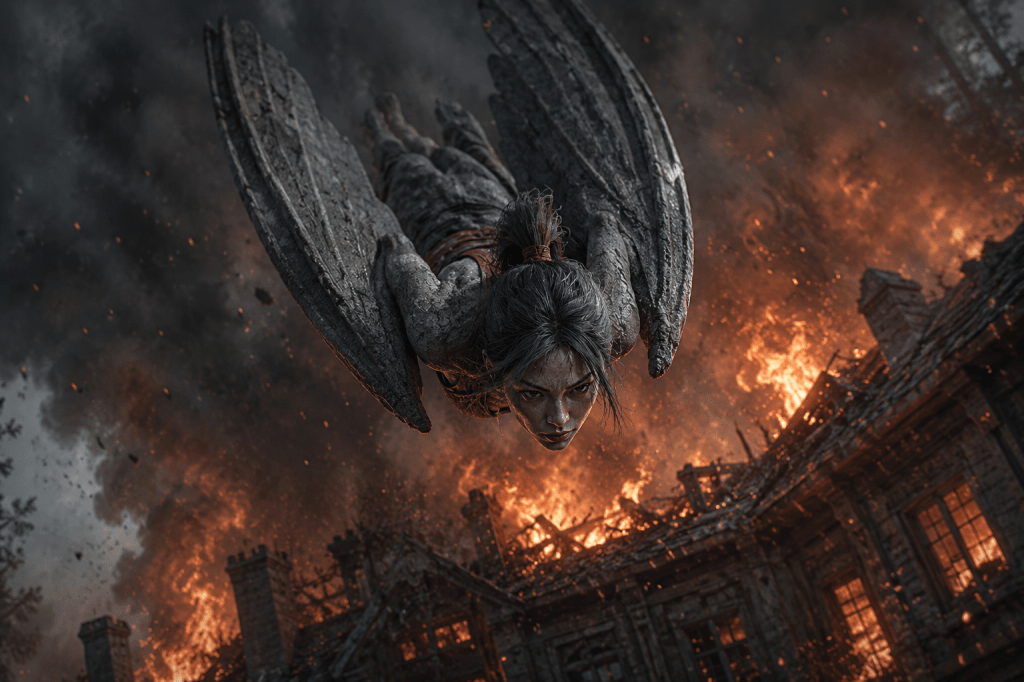
Over time, dragons became part of the defence of Oraolё cities, and Lavelen built separate platforms and caves for them.
Relations with Other Peoples
The Oraolё concealed their cities from the rest of the Continent for centuries, but they never lived in complete isolation. Trade routes passed through their lands, foreign goods reached the mountains, and dragons allowed them to cross distances inaccessible to most other peoples.
Their most stable relationship was with the Ghmurs. The two peoples had traded with one another for generations, to the benefit of both, although even the Gmurs were rarely admitted into the hidden cities of Lessenia. Meetings usually took place along trade routes, in border settlements, or within the neutral cities of Hasard.
Hasard was the name given to the lands of several ancient trading cities: Hes-Hela, Hasd-Stok, Har-Zar, Har-Yhla, and Has-Havet. They had been founded long ago by Gmurs and humans at the crossroads of the West–East Caravan Route, also known as the Great Road or the Hassarat. Merchants of many peoples met there, made agreements, and exchanged goods without asking which gods their neighbours worshipped. Because the population was so diverse, the cities of Hasard had no single faith. Each community preserved its own traditions and rites.
Relations with the Sklavs were very different. The old Oraolё nobility did not consider them equal to the children of Ewa. To many of them, Sklav settlements were little more than sources of provisions, tribute, and plunder, while human lives mattered no more than the lives of livestock. Some Oraolёgroups took grain, animals, and whatever else they required by force, calling it payment for protection. At times, the Sklavs became prey not only to the Oraolё, but also to their dragons.
There were Oraolё who opposed these raids and tried to replace coercion with trade. For a long time, however, such views remained unpopular among the old houses, which were convinced of their own superiority.
The Oraolё knew little about the Vorozhbyty. They were aware that the Vorozhbyty could manipulate magic in ways unfamiliar to other peoples and that they carried distinctive spears. Yet the Vorozhbyty themselves, their lands, and the true nature of their power remained almost as mysterious to the Oraolё as the hidden cities of Lessenia were to the rest of the Continent.
Despite trade and occasional agreements, the Oraolё rarely allowed outsiders into their cities and were reluctant to form lasting alliances. They used the roads of other peoples, purchased their goods, and demanded tribute from them, while continuing to hide their own lands behind glamours, mountain passes, and dragon wings.
The Royal House of Valaberg
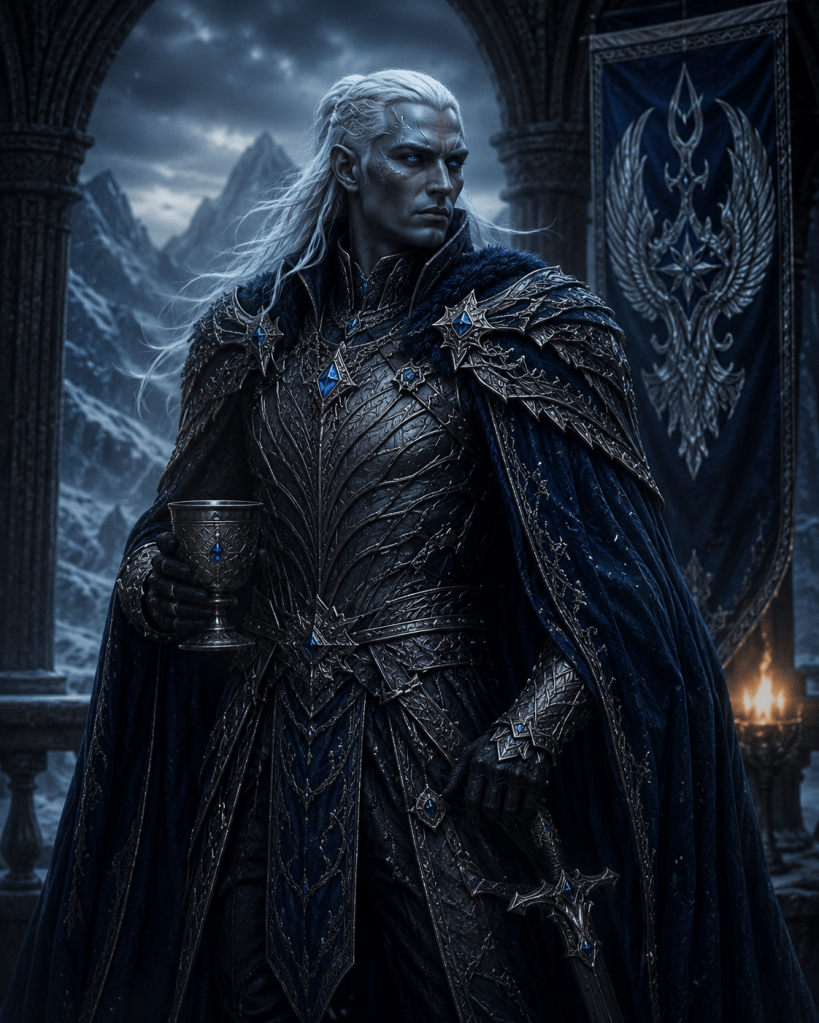
Lavelen was ruled by the ancient Oraolё House Valaberg.
Its motto in the Oraolё language was:
Ni niril Ewail.
Its literal meaning was:
“The song will not die.”
The official translation was slightly more poetic:
“The nightingale’s song will not fade.”
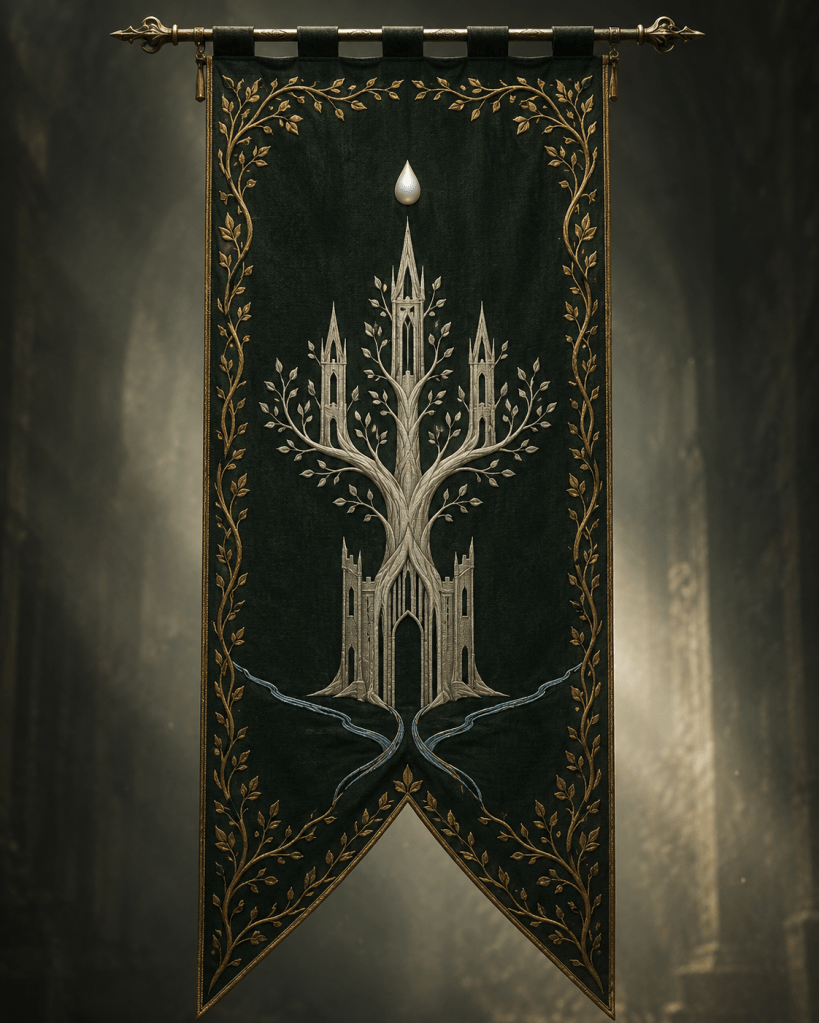
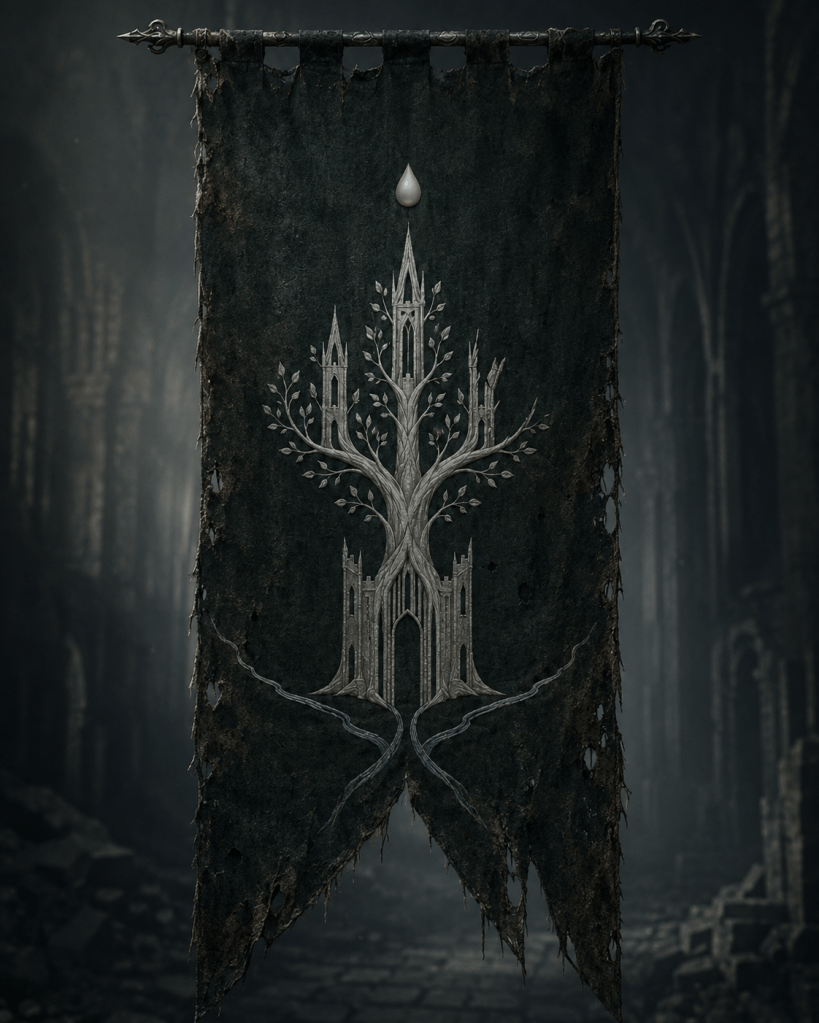
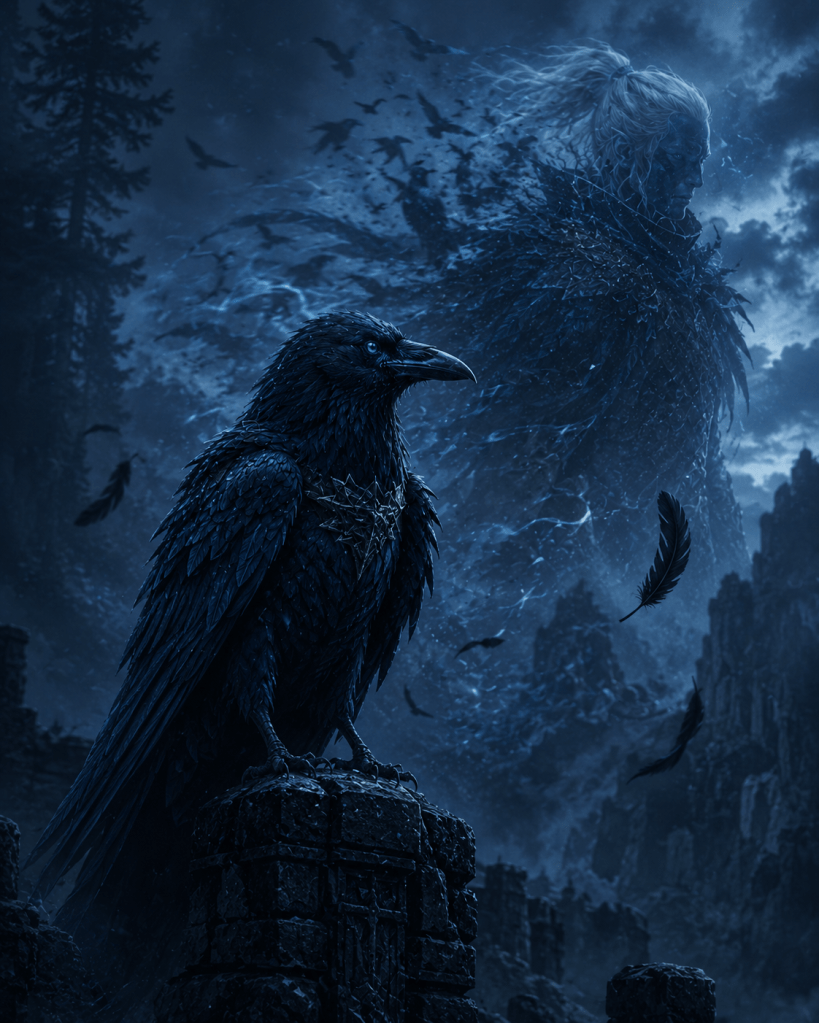
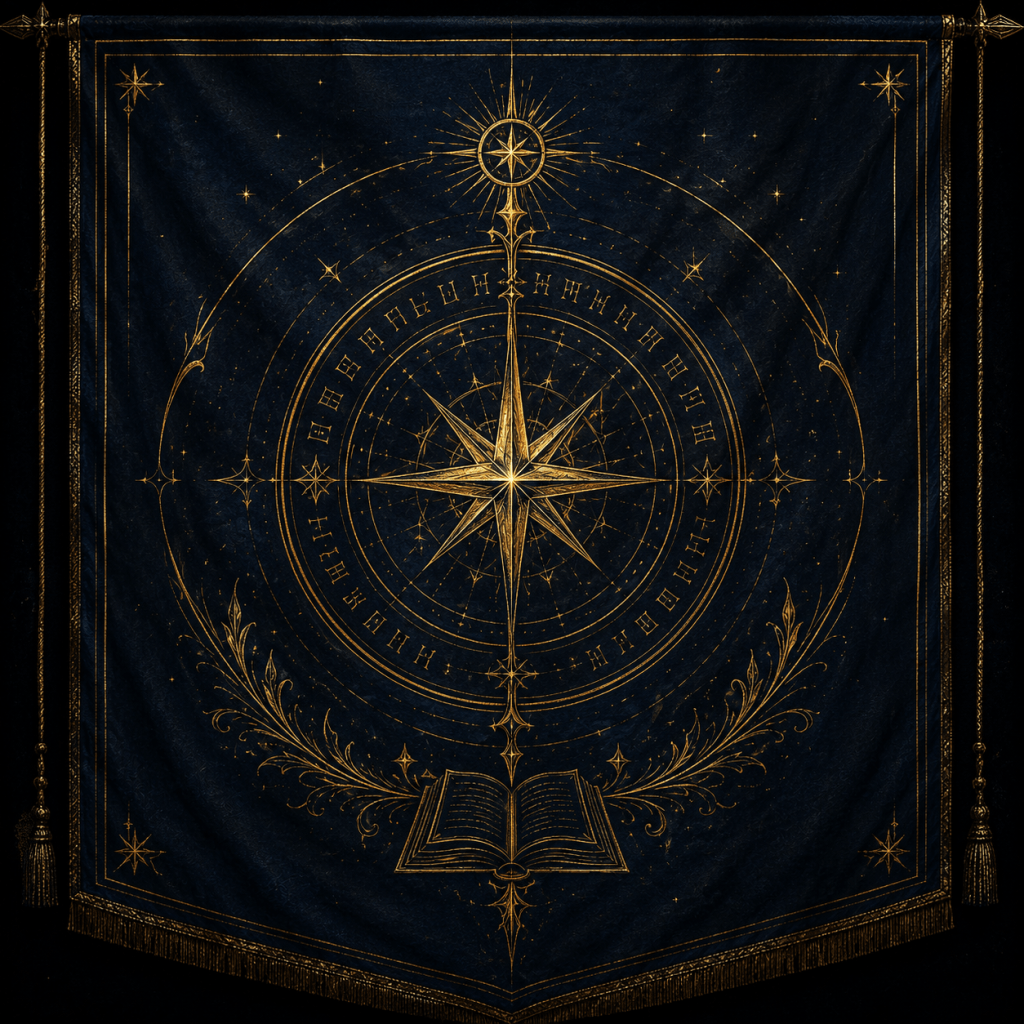
The nightingale was not only the symbol of Lavelen, but also part of everyday life within the city. The birds appeared on royal banners, the cloaks of the White Guard, and official seals. Their songs could be heard throughout the gardens and above the city rings, which meant that a sudden silence could signify far more than an ordinary change in the weather.
One of the most famous rulers of the house was Oros Valaberg. Lavelen reached the height of its prosperity during his reign, although it was never the official capital of the Oraolё.
Lavelen held a different kind of importance. Hidden high among the mountains, it was an almost sacred centre of Oraolё life—a city of dragons, ancient temples, and royal gardens. The oldest traditions of the people were preserved there, and the connection to the First Blood and the elements could be felt more strongly than anywhere else in Lessenia.
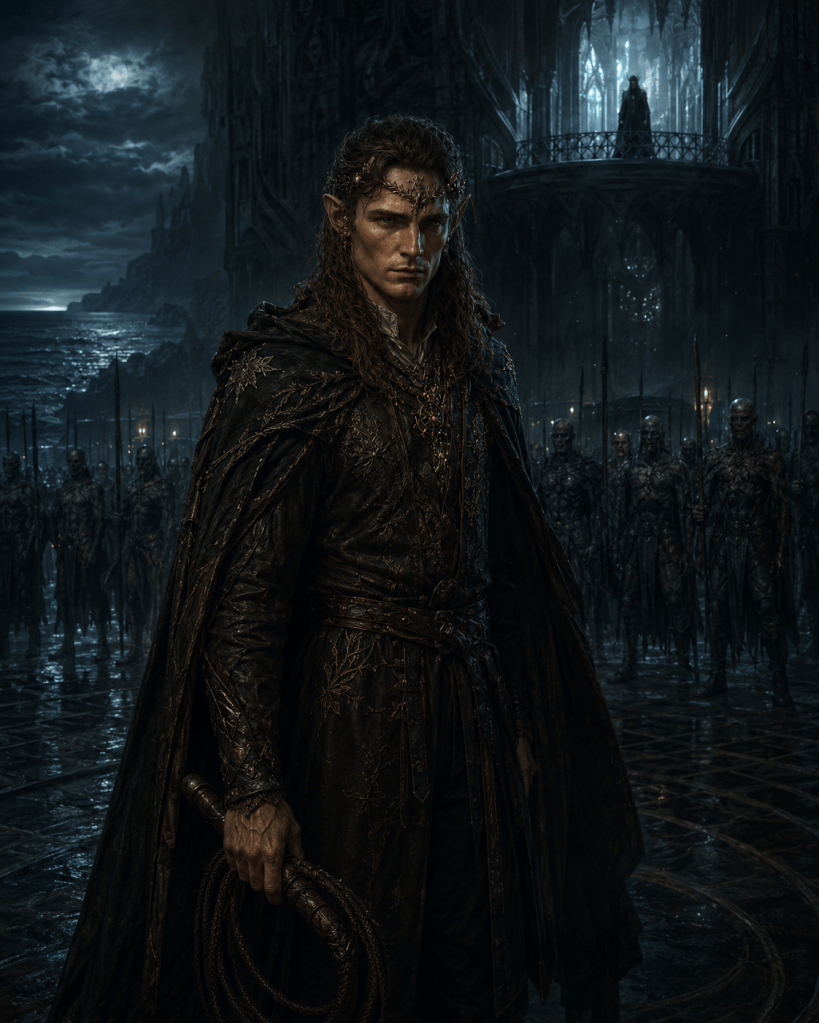
After Oros, the crown passed to his only son, Or Valaberg, who was more commonly known beyond Lavelen as North, or “the Northern.” He earned the name through his reserve, composure, and refusal to retreat from a decision once it had been made.
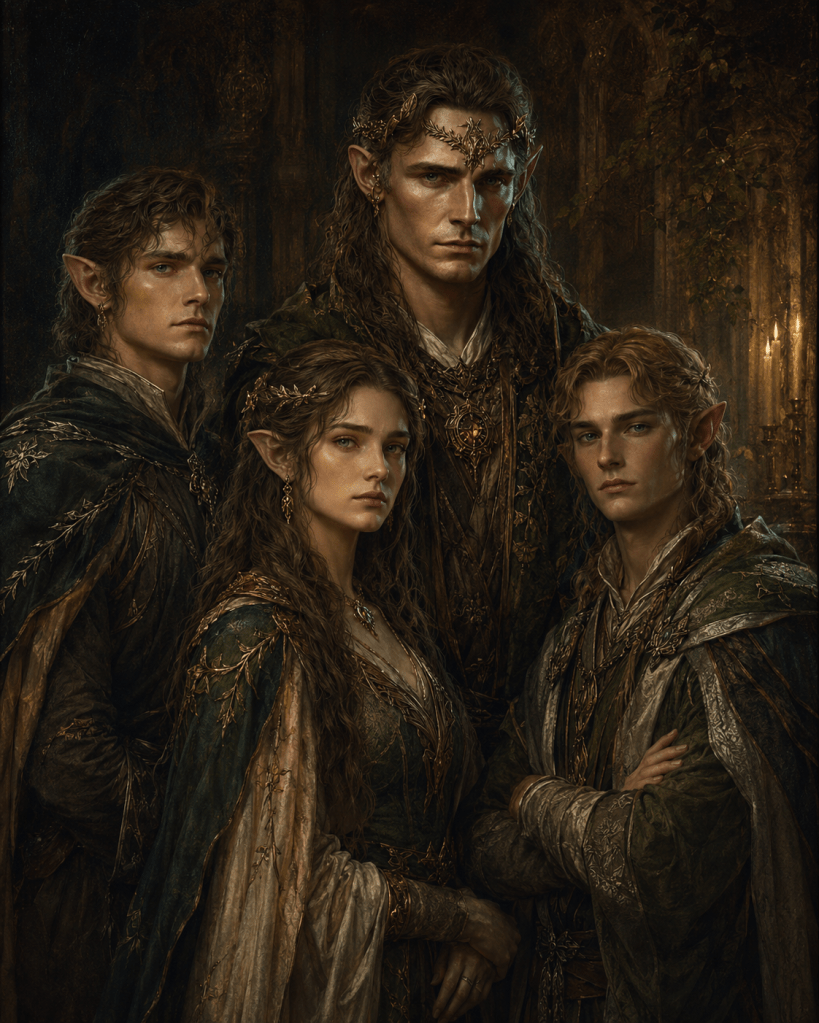
Or married Amelei, an Oraolё woman whose mother had been a forest dryad. The Oraolё once had a tradition in which men entered the forest to find their future wives, just as Alan, the first of their people, had done. Or followed this ancient custom, and that was how he met Amelei.
Their only son was Ain.
Ainarennal Ewair Irnael Orosen Laen Valaberg
The full name of Lavelen’s heir consists of several parts. Each one reflects his origins, his place within the family, and his connection to the gods.
Ainarennal is his personal name.
Ewair is the name given under the blessing of Ewa, Lady of Earth and Water.
Irnael is the name of Irn, Ewa’s husband and Lord of the Sky, Air, and Fire.
Orosen honours his grandfather, Oros.
Laen is the protective name of his family line.
Valaberg is the name of the royal house.
In everyday life, the boy is simply called Ain.
He is the only child of Or and Amelei and the First Heir of the White House. He is still far too young to fully understand the meaning of his name, his royal title, or the expectations his people have placed upon him.
His abilities are only beginning to manifest. As with other Oraolё children, Ain’s connection to the elements and mind magic is expected to grow stronger with age. No one yet knows which gifts he inherited from the Valabergs and which came from his mother’s mixed heritage.
For now, he is simply a little boy with a wooden dragon, protected by adults from events whose meaning he is not yet able to understand.
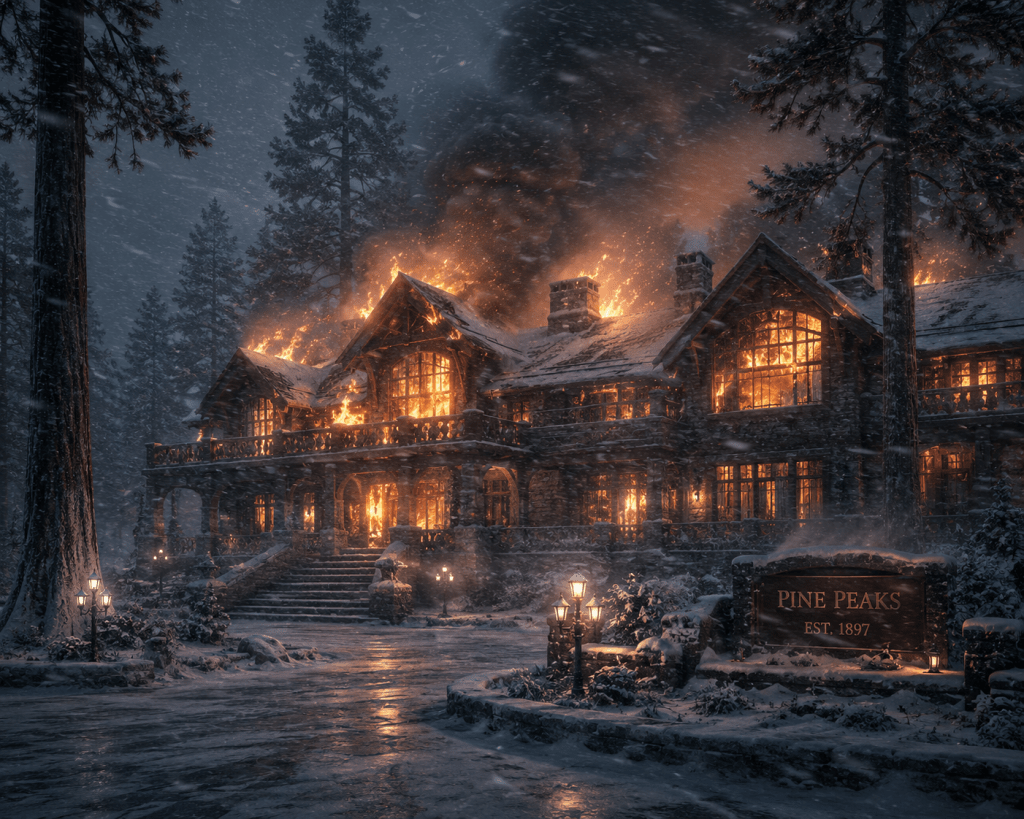
The Last Day
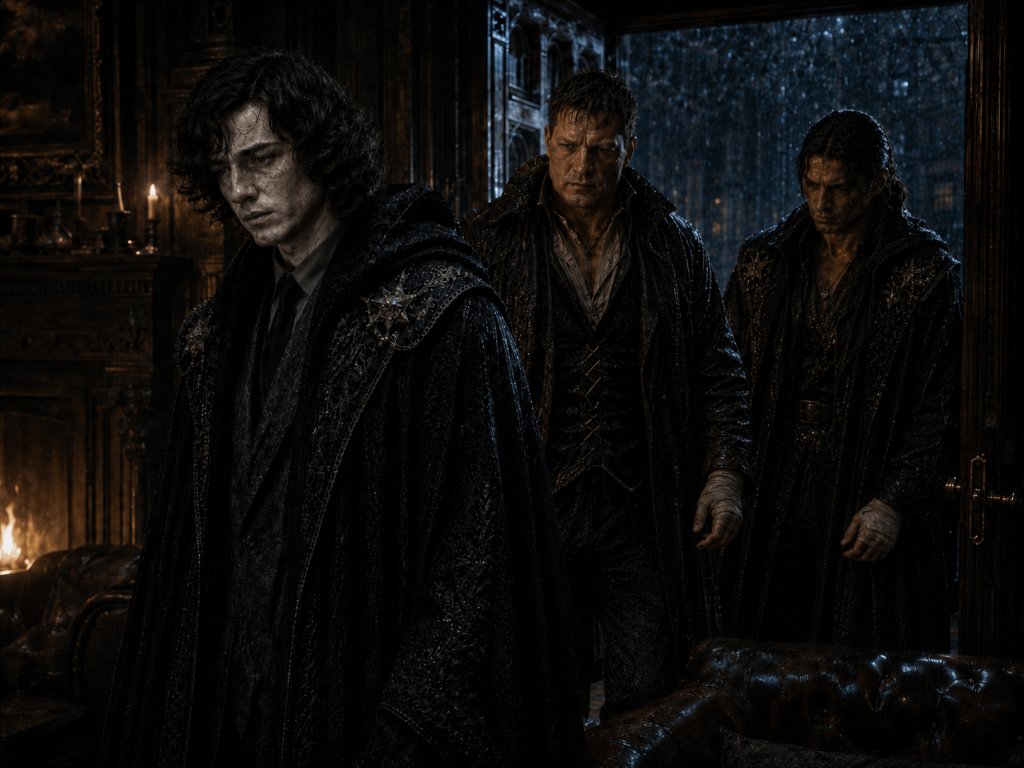
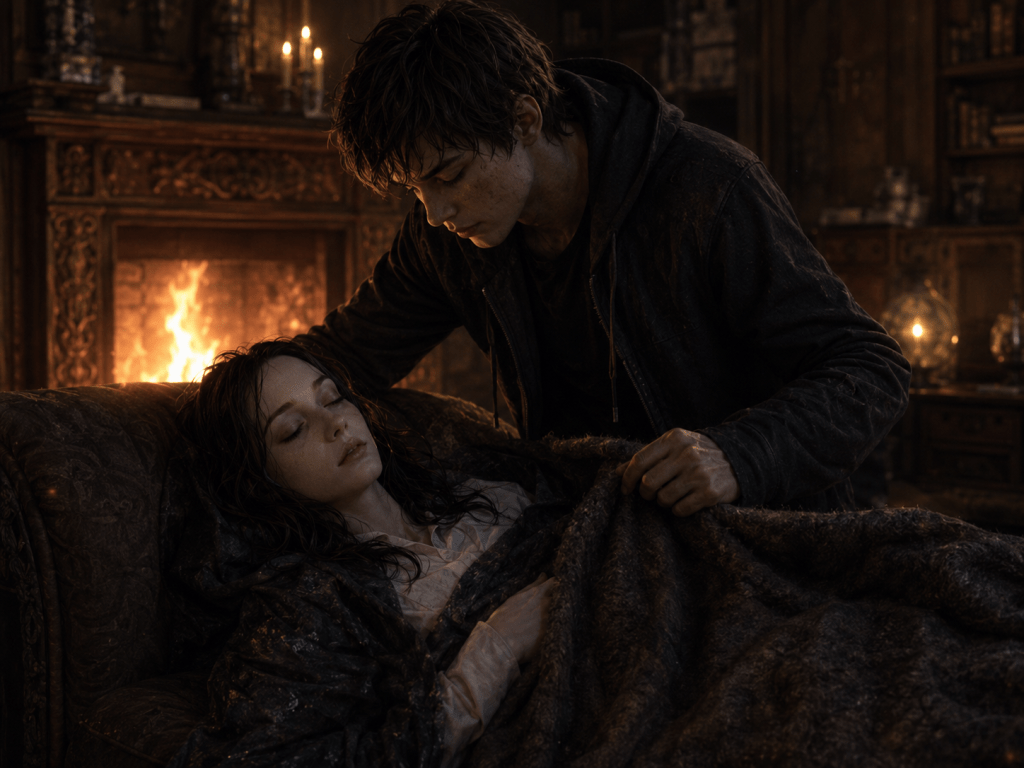
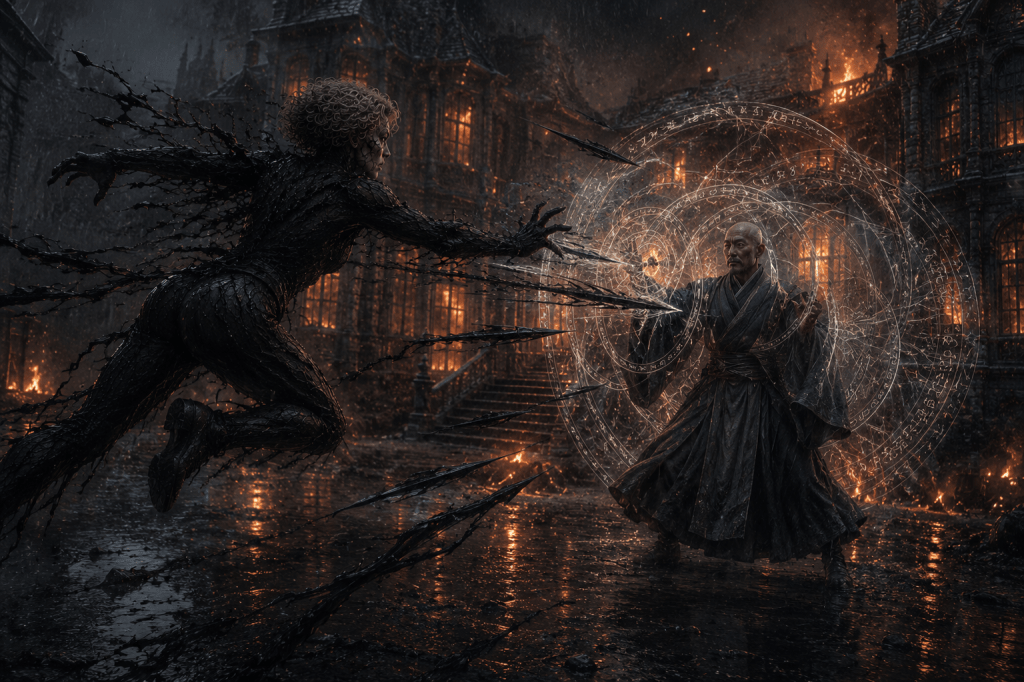
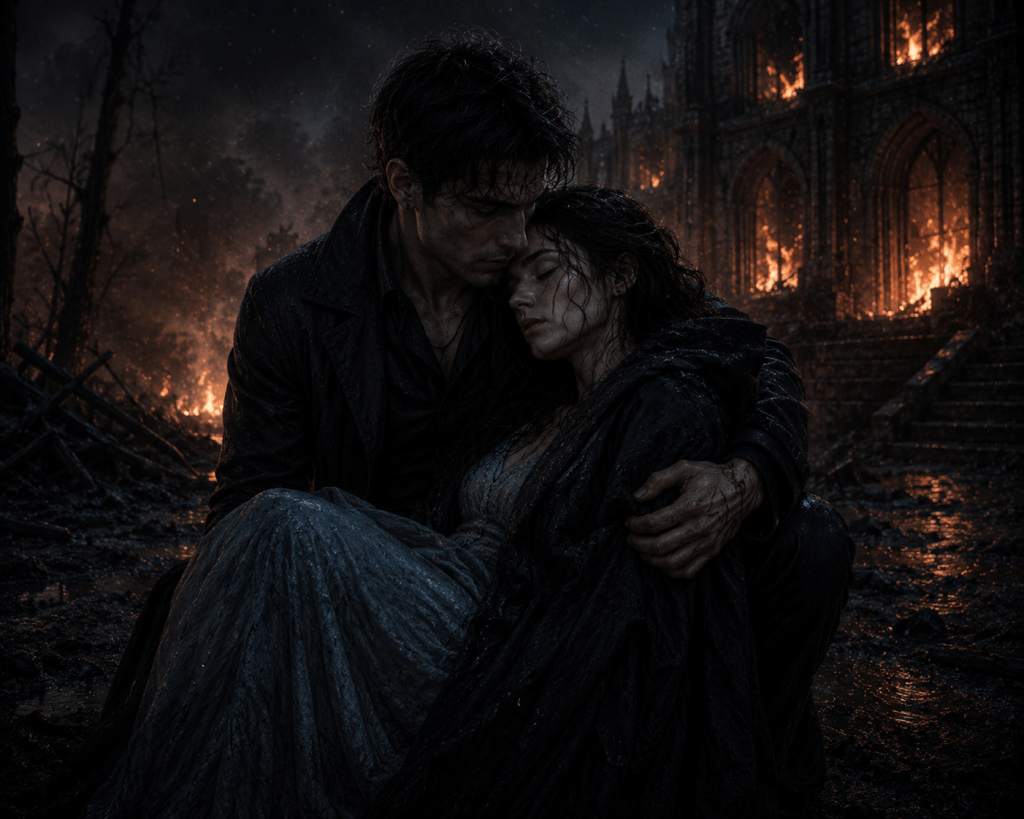
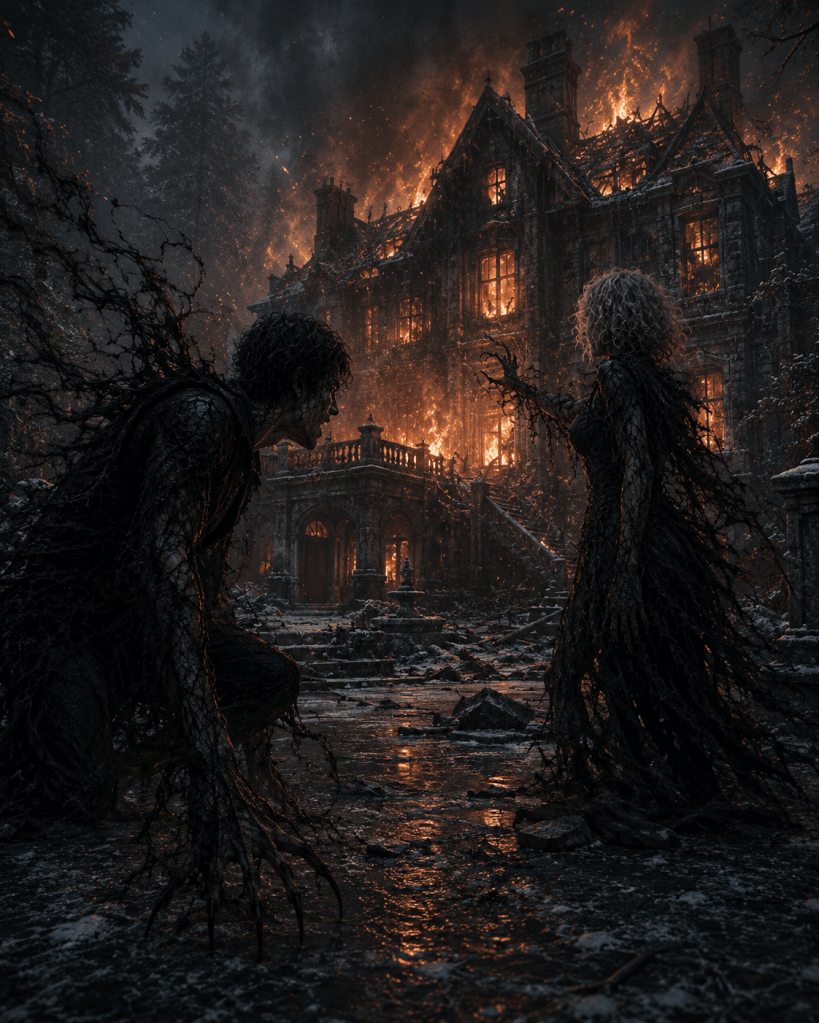
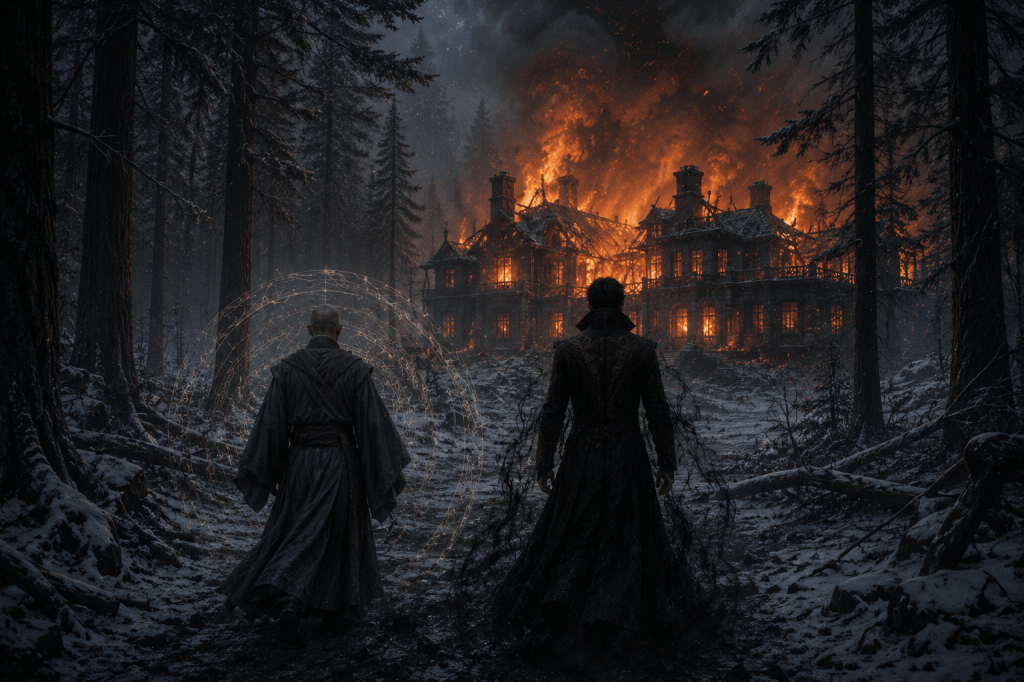
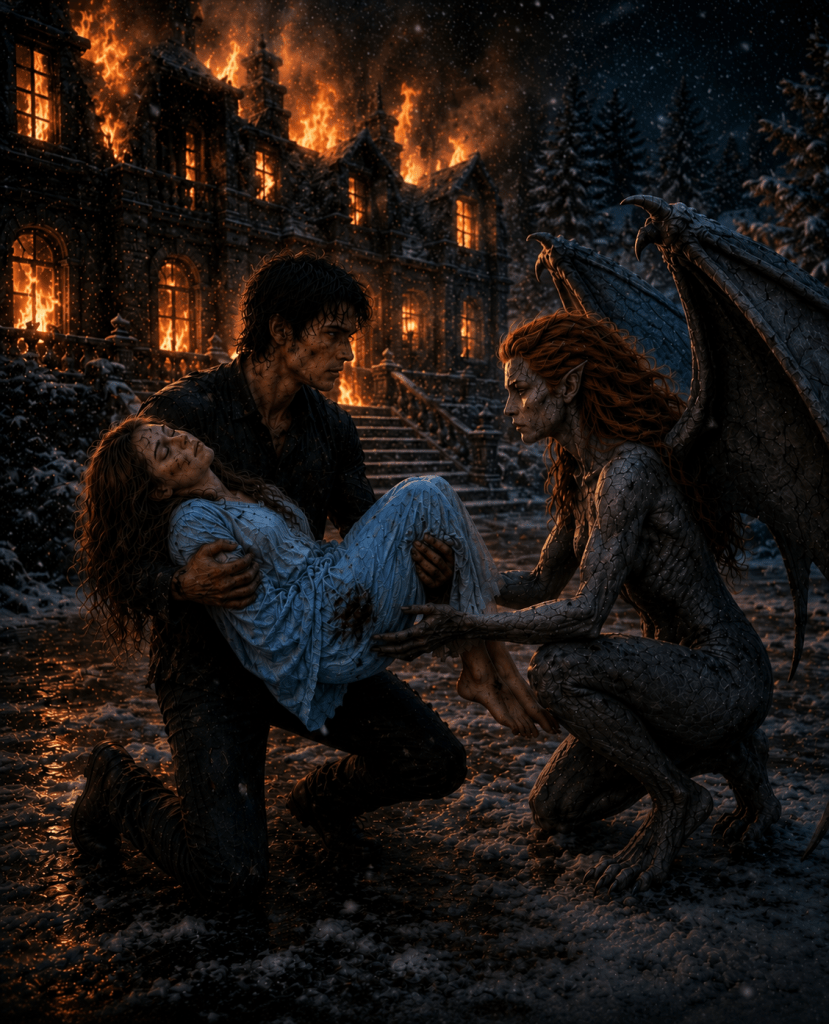
This is the day told in The Nightingales of Lavelen, coming on August 1.
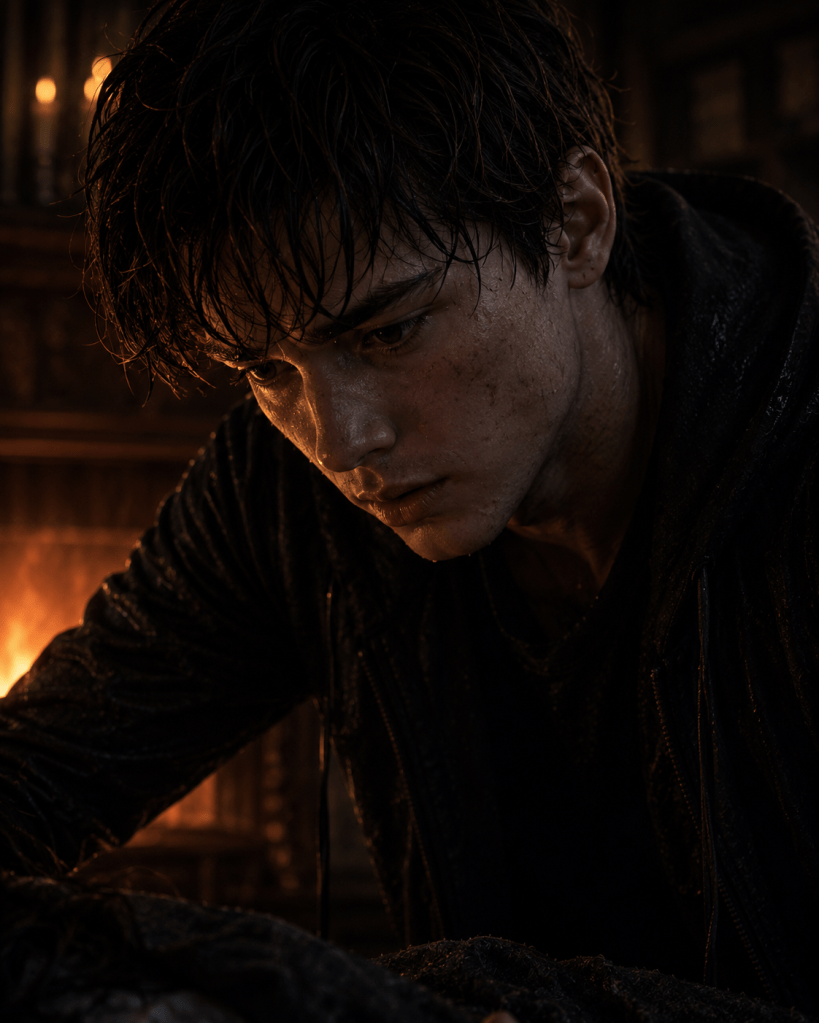
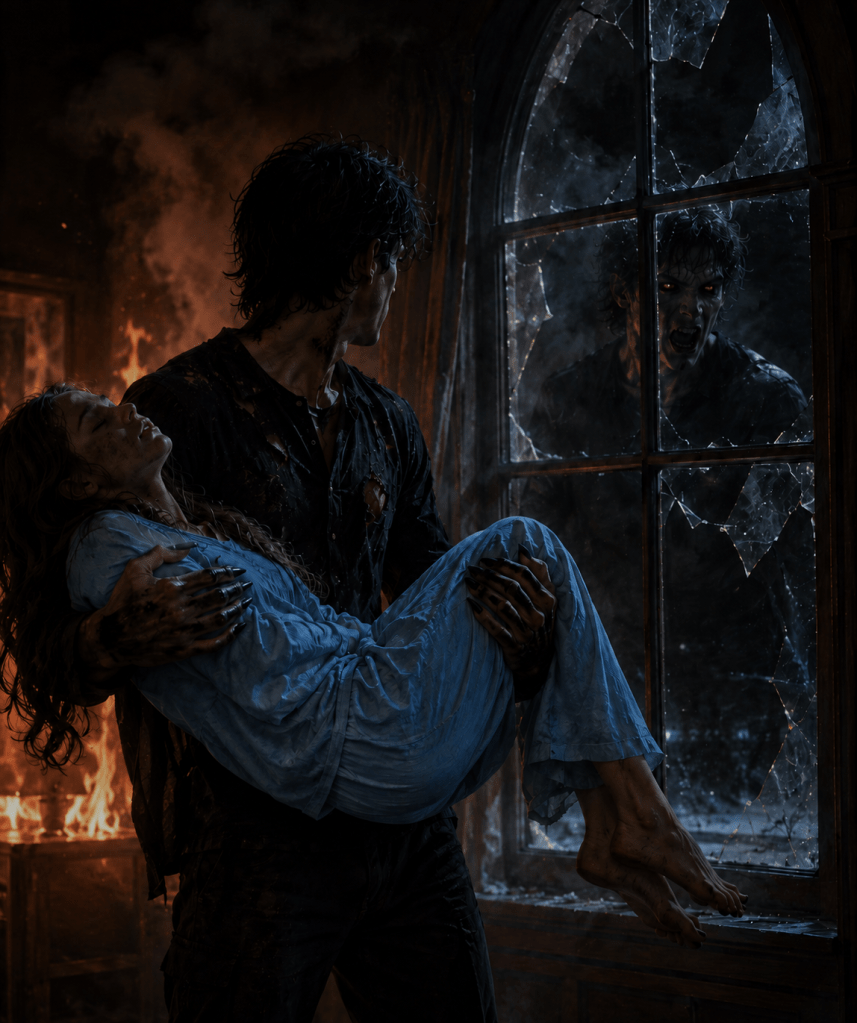
At the very heart of the story is Ain: heir to an ancient house, a child of the First Blood, and the future ruler of a people whose history he does not yet know.
For now, Lavelen is simply his home. It is the place where white banners fly above the Upper Ring, dragons rest upon mountain platforms, and nightingales sing in the temple garden.
And it seems as though it will always remain that way
~~~
Ораолі: Аїн – останній спадкоємець Лавелену
Ми вже говорили про Едасу – нащадків середнього сина Еви, які прагнули повернути собі втрачену велич, – і про Саїнна, котрі після знищення Годол Кхану навчилися жити без єдиного королівства.
Залишилася третя й найстарша гілка дітей Еви.
Ораолі
Народ північних лісів, гірських фортець, драконів і міст, прихованих від решти Континенту. Народ, чиє життя іншим здавалося казкою.
Їхні землі простягалися від засніжених гірських вершин до родючих долин, а між Східним і Морським гортами лежала багата Д’Алва – край вічного літа, зелених садів і щедрих врожаїв.
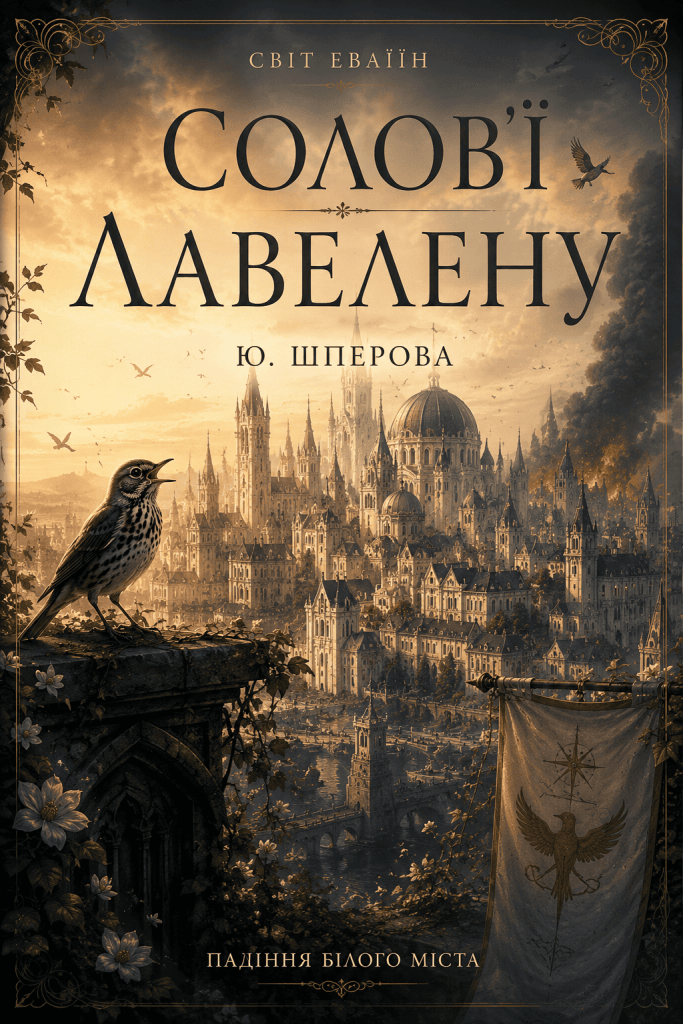
І зовсім скоро ми вирушимо до одного з їхніх прихованих міст, де розпочнеться оповідання “Солов’ї Лавелену”.
Та цього разу в центрі нашої уваги буде не лише історія народу, а й дитина, якій належить успадкувати його корону.
Аїн Валаберг – єдиний син останнього короля Лавелену.

Найстарша гілка дітей Еви
Пращуром Ораолів був Алан, найстарший із трьох синів Еви та Ірна. Після того як брати зійшли на землю, він став охоронцем північних земель і оселився серед лісів, холодних озер та гірських хребтів.
Його дружиною стала Магірра – золотоволоса дріада північних пралісів. Від їхнього союзу й походить народ Ораолів.
Серед трьох гілок Еваїін саме вони найдовше зберігали Першу кров – божественний спадок Еви, Володарки Землі й Води, та Ірна, Володаря Неба, Повітря й Вогню. Її сила виявлялася не лише в магії, а й у надзвичайно довгому житті, міцному зв’язку зі стихіями та здібностях, недоступних іншим народам. Та з кожним новим поколінням Перша кров слабшала, поступово перетворюючись із дару богів на легенду про колишню велич.
Зовні Ораолі не так сильно відрізнялися від склавів, як можна було б очікувати. Вони мали смагляву шкіру, світло-русяве волосся різних відтінків і золотисто-карі очі. Їхні вуха зазвичай не були гострими, хоча траплялися винятки. Тому за межами власних земель Ораоль міг легко залишитися непоміченим, особливо якщо не користувався магією.
Лесенія – землі Ораолів
Землі Ораолів називали Лесенією. Колись це був великий і багатий край, що простягався від північних лісів до гірських хребтів та земель за Оїрхе Гортом.
Одним із найвідоміших місць Лесенії були Співучі Сади, розбиті високо в горах. Серед квітучих дерев і терас гніздилося безліч птахів, і їхній спів майже не стишався від світанку до ночі. Саме тому сади й отримали свою назву.
На схід від Ретнар Горту, аж до Л’єхо Горту – Морських гір, – простягалася долина Д’Алва. Захищена гірськими хребтами від холодних вітрів, вона майже не знала зими. Там цілий рік зеленіли сади, достигали щедрі врожаї, а тепле повітря з моря приносило запах води й квітів.
Саме в різних частинах Лесенії розташовувалися головні міста Ораолів.
Дірах Дол, назва якого означала приблизно “Баштова фортеця”, довгий час вважався їхньою столицею. Проте він лежав надто близько до земель склавів, тому поступово політичний центр перемістився до краще захищеного Лааргарольту – “Прихистку подорожнього”.
Згодом головним осередком королівського дому став Лавелен.
Його назва означала “прихований”, і місто справді відповідало їй. Воно лежало високо в горах і було закрите личиною, яка не дозволяла стороннім побачити ані його веж, ані доріг, що вели до міських брам.
Лавелен складався з кількох кіл, що піднімалися гірськими схилами. На нижніх рівнях жили ремісники, воїни та служителі, а у Верхньому колі розташовувалися королівський палац, храм, сади й платформи для драконів.
Нині значна частина Лесенії спорожніла. Лааргарольт покинутий, а від багатьох поселень залишилися лише дороги, руїни та назви на старих мапах.


Магія Ораолів
Ораолі краще за інші гілки Еваїін відчували стихії. Вони розрізняли зміни у воді, землі, повітрі та вогні й могли звертатися до них без звичних заклять.
З віком цей зв’язок ставав сильнішим. У дитинстві дар міг проявлятися лише як підвищена чутливість до погоди, живих істот або чужої магії. Пізніше Ораолі вчилися керувати ним, хоча здібності кожного залежали від його крові, навчання та особистої схильності.
Окремою частиною їхнього спадку була магія розуму. Ораолі могли торкатися чужих відчуттів, передавати прості образи й заспокоювати істот, з якими неможливо було порозумітися словами.
Саме завдяки цьому дару вони єдині встановили зв’язок із драконами.
Ораолі не вважали драконів свійськими тваринами й не керували ними звичайними наказами. Зв’язок між вершником і драконом будувався поступово та вимагав згоди обох. Навіть король не міг просто обрати собі будь-якого дракона.
З часом дракони стали частиною захисту Ораольських міст, а в Лавелені для них збудували окремі платформи й печери.

Стосунки з іншими народами
Ораолі століттями приховували свої міста від решти Континенту, однак ніколи не жили в повній ізоляції. Через їхні землі проходили торгові шляхи, до гір прибували чужоземні товари, а дракони дозволяли долати відстані, недоступні більшості інших народів.
Найстабільніші стосунки Ораолі підтримували з гмурами. Між ними існувала давня торгівля, вигідна обом сторонам, хоча навіть гмурів рідко допускали до прихованих міст Лесенії. Зустрічі відбувалися переважно на торгових шляхах, у прикордонних поселеннях або в нейтральних містах Гасарду.
Гасардом називали землі давніх торгових міст: Гес-Гели, Гасд-Стоку, Гар-Зару, Гар-Їхли та Гас-Гавету. Їх заснували гмури й люди на перехрестях Західно-східного караванного шляху, відомого також як Великий шлях, або Гассарат. Тут зустрічалися купці різних народів, укладалися угоди й обмінювалися товарами, не питаючи, яким богам молиться сусід. Через змішане населення в містах Гасарду не існувало єдиної віри: кожна громада зберігала власні звичаї та обряди.
Зі склавами стосунки складалися зовсім інакше. Стара Ораольська знать не вважала їх рівними дітям Еви. Для багатьох склавські поселення були лише джерелом припасів, данини й здобичі, а самі люди – істотами, чиє життя важило не більше за життя худоби. Деякі загони забирали зерно, тварин і все необхідне силою, називаючи це платою за захист. Іноді склави ставали здобиччю не лише Ораолів, а й їхніх драконів.
Водночас серед Ораолів були ті, хто виступав проти набігів і намагався замінити примус торгівлею. Проте такі погляди довго залишалися непопулярними серед старих родів, переконаних у власній перевазі.
Про ворожбитів Ораолі знали небагато. Їм було відомо, що ті здатні маніпулювати магією незвичним для інших народів способом і володіють особливими списами. Однак самі ворожбити, їхні землі та справжня природа їхньої сили залишалися для Ораолів майже такою самою загадкою, якою приховані міста Лесенії були для решти Континенту.
Попри торгівлю й окремі угоди, Ораолі майже ніколи не допускали чужинців до своїх міст і неохоче укладали тривалі союзи. Вони могли користуватися дорогами інших народів, купувати їхні товари й вимагати від них данину, але власні землі продовжували приховувати за личинами, гірськими перевалами та драконячими крилами.

Королівський дім Валабергів
Лавеленом правив давній Ораольський рід Валабергів.
Його девіз звучав мовою Ораолів так: Ni niril Ewail.
Буквально це означає: “Не помре спів”.
Офіційний переклад був дещо поетичнішим: “Не згасне солов’їний спів”.
Соловей був не лише символом Лавелену, а й частиною його повсякденного життя. Птахів зображали на королівських знаменах, плащах Білої Варти й печатках. Їхній спів лунав у садах та над міськими колами, тому раптова тиша могла означати значно більше, ніж звичайну зміну погоди.
Одним із найвідоміших правителів роду був Орос Валаберг. За його правління Лавелен досяг найбільшого розквіту, однак столицею Ораолів ніколи не був.
Лавелен мав інше значення. Прихований високо серед гір, він був майже священним осередком Ораолів – містом драконів, давніх храмів і королівських садів. Саме там зберігалися найдавніші традиції народу, а зв’язок із Першою кров’ю та стихіями відчувався сильніше, ніж будь-де в Лесенії.
Після нього корону успадкував його єдиний син – Ор Валаберг, якого за межами Лавелену частіше називали Нортом, тобто Північним. Це прізвисько він отримав за стриманість, холоднокровність і звичку не відступати від ухвалених рішень.
Ор одружився з Амелеї, Ораолкою, матір’ю якої була лісова дріада. Колись серед Ораолів існував звичай: чоловіки вирушали до лісу, щоб знайти там собі дружину – як це зробив Алан, перший з Ораолів. Ор наслідував давню традицію свого народу – і саме так зустрів Амелеї.
Їхнім єдиним сином став Аїн.

Айнареналь Еваїр Ірнаель Оросен Лаєн Валаберг
Повне ім’я спадкоємця Лавелену складається з кількох частин. Кожна з них вказує на його походження, місце в роді та зв’язок із богами.
Айнареналь – особисте ім’я.
Еваїр – ім’я, дане під благословенням Еви, Володарки Землі й Води.
Ірнаель – ім’я Ірна, чоловіка Еви й Володаря Неба, Повітря та Вогню.
Оросен – ім’я на честь діда Ороса.
Лаєн – родове оберегове ім’я.
Валаберг – назва королівського дому.
У повсякденному житті хлопчика називають просто Аїном.
Він є єдиною дитиною Ора та Амелеї й першим спадкоємцем Білого Дому. Йому ще надто мало років, щоб повністю розуміти значення свого імені, королівського титулу або очікувань, які покладає на нього його нароод.
Його здібності також лише починають проявлятися. Як і в інших дітей Ораолів, зв’язок Аїна зі стихіями та магією розуму має посилюватися з віком. Ніхто ще не знає, який саме дар він успадкував від Валабергів, а який – від матері зі змішаною кров’ю.
Наразі, він просто маленький хлопчик із дерев’яним драконом, якого дорослі намагаються захистити від подій, значення яких він поки не здатний зрозуміти.

Останній день
Саме про цей день розповість оповідання “Солов’ї Лавелену”, яке вийде вже 1 серпня.
А в самому серці цієї історії – Аїн. Спадкоємець давнього роду, дитина Першої крові й майбутній володар народу, історії якого ще не знає.
Поки що для нього Лавелен – це дім. Місце, де над Верхнім колом майорять білі знамена, на гірських платформах спочивають дракони, а в храмовому саду співають солов’ї.
І здається, що так буде завжди.